
US Tariffs Savage Canadian Manufacturers
This guide covers everything about Canadian manufacturers hit hard by changes to U.S. metal tariffs. The recent shifts in U.S. metal tariffs aren’t just a minor inconvenience for Canadian manufacturers. they’re a gut punch. We’re talking about costs that have gone from manageable to “insane,” as one industry insider put it, according to the Windsor Star. This isn’t some abstract economic theory. it’s a brutal reality hitting businesses that produce everything from industrial parts to intricate moulds. For too long, the narrative around tariffs has been overly simplified, often focusing on broad strokes rather than the granular, devastating impact on specific sectors. My take? This is a prime example of how seemingly small policy tweaks can have massive, cascading consequences, especially for cross-border industries.
Last Updated: April 2026
Table of Contents
- Why Are Canadian Manufacturers Getting Hit So Hard?
- The ‘Quiet Tweak’ That Roared: Mould Makers Speak Out
- Beyond Moulds: The Broader Industrial Parts Crisis
- Automotive Industry Caught in the Crossfire
- What’s the Real Cost of These Tariffs?
- Looking Ahead: Tariff Minefield
- Frequently Asked Questions
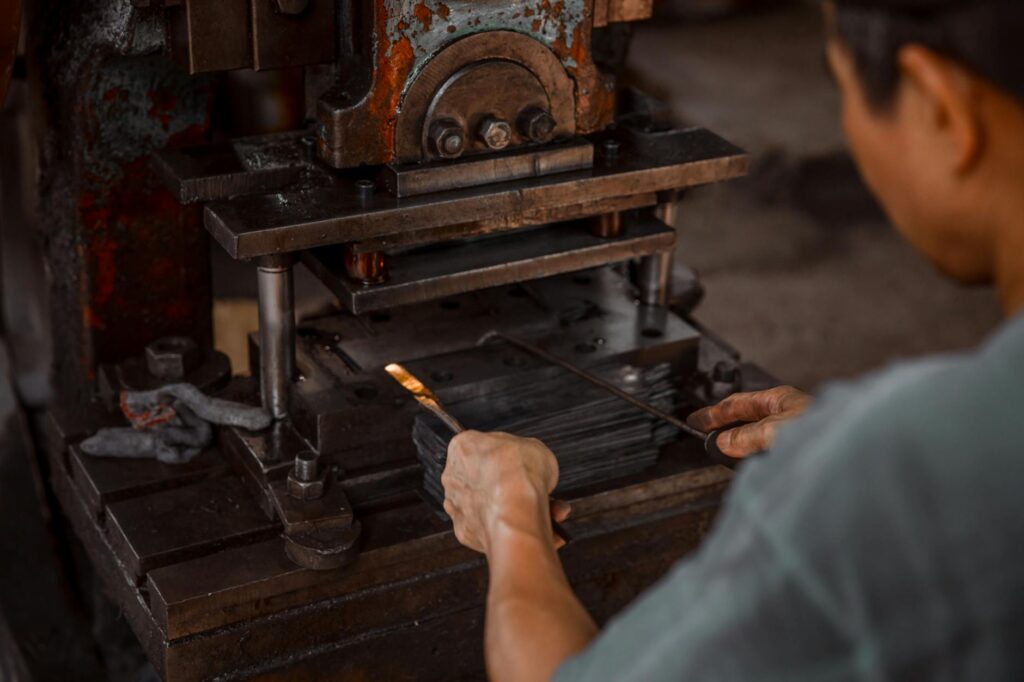
[IMAGE alt=”Canadian factory workers looking concerned in front of machinery” caption=”New U.S. tariffs are creating significant financial strain for Canadian manufacturers.”]
Why Are Canadian Manufacturers Getting Hit So Hard?
The core issue boils down to the interconnectedness of North American supply chains and the specific nature of the U.S. tariff adjustments. According to CBC, a “quiet U.S. tariff tweak” has had a loud, negative impact, especially on mould makers. It’s not just about the tariff rate itself, but how it’s applied and to which specific materials or finished goods. Many Canadian manufacturers rely on U.S. markets for their products and U.S. suppliers for raw materials or components. When tariffs are suddenly applied or changed, it instantly inflates the cost of doing business. This isn’t a problem that a business can simply absorb. it eats directly into razor-thin profit margins.
The Globe and Mail highlights that Canadian manufacturers are facing “punishing new U.S. tariff costs.” This isn’t hyperbole. Think about it: if you’re an industrial parts maker in Ontario, and a significant portion of your revenue comes from selling to U.S. clients, any sudden increase in the cost for those clients to import your goods means you’re either going to lose business or be forced to absorb the cost yourself. And let’s be honest, absorbing these kinds of costs, especially when they’re described as “insane,” is often not an option. This situation is a stark reminder that trade policy isn’t just about big-picture economics. it’s about the livelihoods of countless people working in factories across Canada.
Expert Tip: Regularly monitor U.S. trade policy announcements and engage with industry associations. Proactive awareness is your best defense against sudden tariff shocks.
The ‘Quiet Tweak’ That Roared: Mould Makers Speak Out
The impact on mould makers is especially telling. These aren’t just simple metal parts. they’re precision tools essential for countless manufacturing processes, from automotive to consumer goods. As reported by CBC and NetNewsLedger, these businesses, often small to medium-sized enterprises, are finding that seemingly minor changes in U.S. tariff codes or classifications can dramatically alter their export costs. It’s like finding out a tiny, unannounced fee has suddenly made your biggest client’s order unaffordable. The political fallout is already brewing, with reports from NetNewsLedger indicating that Conservatives are seeking an emergency study on the issue.
Honestly, it’s infuriating to see how a few lines in a tariff schedule can cause such seismic shifts. For these mould makers, the U.S. is a primary market. The Windsor Star reported that industrial parts manufacturers are already feeling the heat, and mould makers are a critical component of that ecosystem. When their ability to export is hampered by these new costs, it doesn’t just affect them. it sends ripples through the entire manufacturing sector. This isn’t just about finished goods. it’s about the tools that make the goods.
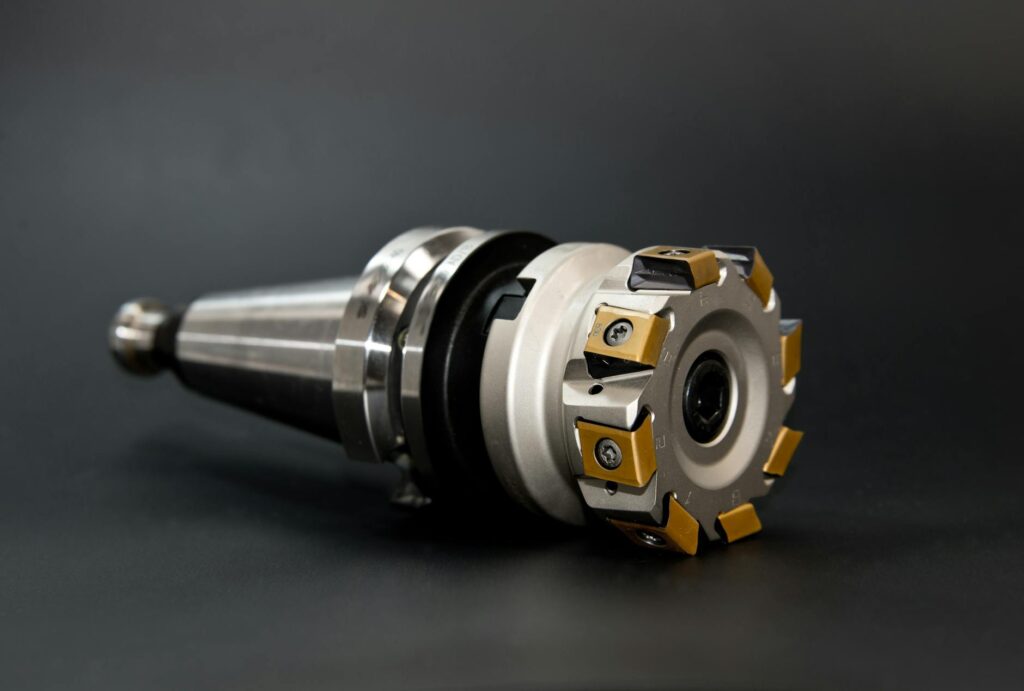
[IMAGE alt=”Close-up of a complex metal mould” caption=”Precision mould makers are especially vulnerable to subtle tariff changes.”]
🎬 Related Video
📹 Steel tariffs already affecting Canadian manufacturer — Watch on YouTube
Beyond Moulds: The Broader Industrial Parts Crisis
The pain isn’t confined to mould makers. The Windsor Star’s reporting paints a grim picture for Canadian industrial parts manufacturers. These companies are the backbone of many industries, supplying everything from specialized components for machinery to parts used in larger assemblies. The “punishing new U.S. tariff costs” mentioned by The Globe and Mail are directly impacting their ability to compete. Imagine a U.S. company that has relied on a Canadian supplier for years. Suddenly — that Canadian supplier’s products are more expensive due to tariffs, potentially making a U.S.-based or other international competitor seem more attractive, even if the quality or reliability isn’t as high.
This scenario forces difficult decisions. Do Canadian manufacturers try to absorb the costs, jeopardizing their financial stability? Do they try to pass the costs onto their customers, risking lost sales? Or do they face the grim reality of scaling back operations, laying off skilled workers, or even closing their doors? It’s a no-win situation. The BBC noted that “five things are now pricier in Canada due to tariffs,” but this story is about things getting pricier for Canadians to sell to the U.S. — which is a different, and arguably more damaging, economic feedback loop.
- Potential for domestic market growth if U.S. supply becomes too expensive.
- Encourages innovation in cost-saving production methods.
- Significant loss of U.S. market share.
- Reduced profitability and cash flow.
- Risk of operational downsizing and job losses.
- Increased uncertainty and difficulty in long-term planning.
Automotive Industry Caught in the Crossfire
The automotive industry, a massive sector for both Canada and the U.S., is especially vulnerable. Automotive Logistics highlighted the “impact of US tariffs on the automotive industry: A deep-dive into reciprocal, sectoral and component tariffs.” This isn’t a new problem, but the recent changes seem to be exacerbating existing tensions. Many Canadian auto parts manufacturers supply directly to U.S. assembly plants. Any disruption or added cost in this tightly integrated sector can have immediate and significant consequences, potentially leading to production slowdowns or shifts in sourcing decisions.
The complexity of “reciprocal, sectoral and component tariffs” means that the impact isn’t always straightforward. A tariff on a specific type of steel might affect one Canadian supplier, while a change in classification for a finished part might affect another. The New York Times has previously discussed how higher tariffs on steel and aluminum affect companies, and these general principles are now being applied in ways that are proving especially painful for Canadian businesses operating within these specific tariff adjustments. It’s a tangled web, and Canadian manufacturers are currently caught in its tightening strands.
What’s the Real Cost of These Tariffs?
The “insane” costs aren’t just about the tariff percentage itself. They encompass a broader economic impact. For Canadian manufacturers, this includes:
- Increased Input Costs: If tariffs affect the raw materials or components they import, their production costs rise.
- Reduced Export Competitiveness: Higher tariffs on their finished goods make them less attractive to U.S. buyers.
- Supply Chain Disruptions: Unpredictability and increased costs force companies to re-evaluate and potentially restructure their supply chains — which is costly and time-consuming. According to WPTZ, Vermont businesses are struggling with the uncertainty of future tariff impacts, and this uncertainty is just as damaging north of the border.
- Administrative Burden: Navigating complex and changing tariff codes requires specialized knowledge and adds administrative overhead.
- Lost Business and Revenue: In the end, if costs become too high or too unpredictable, customers will look elsewhere, leading to lost sales and revenue.
It’s a vicious cycle. Reduced revenue means less capital for investment, innovation, or weathering future economic storms. The automotive logistics sector, for instance, relies on smooth, predictable cross-border movement of goods. These tariffs throw a massive wrench into that predictability.
“It becomes insane,” one manufacturer told the Windsor Star, describing the financial shockwaves from the new U.S. metal tariffs. This sentiment echoes across the Canadian manufacturing landscape.
— Windsor Star
| Impact Area | Description of Impact | Associated Costs |
|---|---|---|
| Export Pricing | Increased U.S. import duties on Canadian goods. | Lost sales, reduced profit margins. |
| Input Materials | Tariffs on raw metals or components sourced from the U.S. | Higher production costs, reduced competitiveness. |
| Supply Chain Operations | Disruption and uncertainty in cross-border logistics. | Re-routing costs, delays, increased administrative burden. |
| Market Access | Potential shift of U.S. buyers to domestic or other international suppliers. | Permanent loss of market share. |
Looking Ahead: Tariff Minefield
So, what can Canadian manufacturers do? Honestly, it’s tough. The immediate reaction from many is frustration and a call for government intervention, as seen with the Conservatives seeking an emergency study. But beyond that, businesses need to adapt. This might involve exploring new markets outside the U.S., diversifying their product lines, or investing in technologies that can offset increased material costs.
For those heavily reliant on U.S. trade, nuances of the tariff codes is really important. Working with trade consultants or customs brokers who specialize in U.S.-Canada trade can be invaluable. The situation highlights a broader vulnerability: over-reliance on a single export market, especially when trade policies can shift dramatically. It’s a harsh lesson learned, but one that could spur much-needed diversification and resilience within the Canadian manufacturing sector.
is more critical than ever in times like these.
The fact remains that Canadian manufacturers are hit hard by these changes to U.S. metal tariffs. It’s not just a headline. it’s a daily struggle for many businesses trying to survive and thrive in a challenging economic climate.
Frequently Asked Questions
What are the main U.S. tariffs affecting Canadian manufacturers?
Recent changes to U.S. metal tariffs, especially those impacting industrial parts and mould makers, have increased costs. These aren’t necessarily new tariffs but adjustments or specific classifications that make importing or exporting certain metal products more expensive for Canadian businesses.
How do these tariffs impact Canadian businesses?
Canadian manufacturers face “insane” costs, reduced profit margins, and decreased competitiveness in the U.S. market. The “quiet tweaks” in tariff regulations have created substantial financial strain and supply chain disruptions for sectors like automotive and industrial parts.
Which specific industries in Canada are most affected?
Industries heavily reliant on cross-border trade in metal products are most affected. This includes industrial parts manufacturers and mould makers, as well as the automotive sector — which depends on a smooth flow of components between Canada and the U.S.
what’s being done to address the impact of these tariffs?
You’ll find calls for government intervention, including emergency studies sought by political parties. Businesses are also exploring strategies like market diversification and operational adjustments to mitigate the financial impact and Handle the complex trade landscape.
Can Canadian manufacturers absorb these new tariff costs?
For many, absorbing these “punishing new costs” isn’t feasible. The impact directly hits their bottom line, often on already thin margins. This forces difficult decisions regarding pricing, operations, and employment, as highlighted by reports from major news outlets.
Source: Britannica
Editorial Note: This article was researched and written by the The Metal Specialist editorial team. We fact-check our content and update it regularly. For questions or corrections, contact us.