
Energy Efficient Home: Slash Your Bills & Boost Comfort
Want to turn your house into an energy efficient home and finally get those sky-high utility bills under control? You’ve come to the right place. In my 10 years helping homeowners, I’ve seen firsthand how simple changes can lead to massive savings and a more comfortable living space. This isn’t about drastic renovations. it’s about smart, practical steps that make a real difference.
Last updated: April 18, 2026
Here’s what you need to knowto how you can achieve this without breaking the bank.
Contents
What Makes a Home Energy Efficient?
At its core, an energy efficient home minimizes the amount of energy needed to maintain a comfortable living environment. This means less wasted energy on heating, cooling, lighting, and powering appliances. Think of it like wearing a well-insulated coat on a cold day – you stay warmer with less effort. It’s a complete approach involving the building’s envelope (walls, roof, windows, foundation), its systems (heating, cooling, water heating), and how occupants use energy.
Key elements include excellent insulation, effective air sealing to prevent drafts, high-performance windows and doors, efficient HVAC systems, and smart lighting and appliances. The goal is to keep conditioned air inside and unconditioned air outside, reducing the workload on your systems.
Major Upgrades for an Energy Efficient Home
While small changes add up, certain upgrades offer significant long-term benefits for your energy efficient home. Here are investments that directly impact your comfort and your wallet for years to come. I’ve seen clients recoup the cost of these upgrades within 5-10 years through energy savings alone.
Insulation is King: This is foundational. Upgrading attic insulation is often the most impactful and cost-effective major upgrade. Aim for R-values recommended by the U.S. Department of Energy for your climate zone – often R-49 to R-60 in many areas. Don’t forget walls and crawl spaces.
Window Wonders: Old, single-pane windows are notorious energy losers. Upgrading to double or triple-pane windows with low-E coatings and argon gas fill can dramatically reduce heat transfer. Look for ENERGY STAR certified windows.
HVAC Overhaul: Your heating and cooling system accounts for a huge chunk of your energy use. If your furnace or air conditioner is over 15 years old, consider replacing it with a high-efficiency ENERGY STAR model. Heat pumps are also becoming incredibly efficient alternatives.
Water Heater Wisdom: Tankless water heaters or high-efficiency tank models can cut down on water heating costs — which are often the second-largest energy expense in a home.
Renewable Energy: For the ultimate energy efficiency, consider solar panels. While a larger upfront investment, they can drastically reduce or even eliminate your electricity bill, especially when paired with battery storage.
Quick Wins to Boost Energy Efficiency
You don’t need to undertake major renovations to make your home more energy efficient. Plenty of low-cost, high-impact changes can be made this weekend. Here are the low-hanging fruit that yield immediate results.
Air Sealing Savvy: Use caulk and weatherstripping around windows, doors, electrical outlets, and plumbing penetrations. This simple task stops drafts and prevents conditioned air from escaping. I always recommend doing this before adding more insulation, as it ensures the insulation works optimally.
Smart Thermostat Smarts: A programmable or smart thermostat allows you to automatically adjust temperatures when you’re asleep or away. This simple device can save up to 10% on heating and cooling costs annually, according to ENERGY STAR. I’ve personally seen my own energy bills drop by nearly $20 per month after installing one.
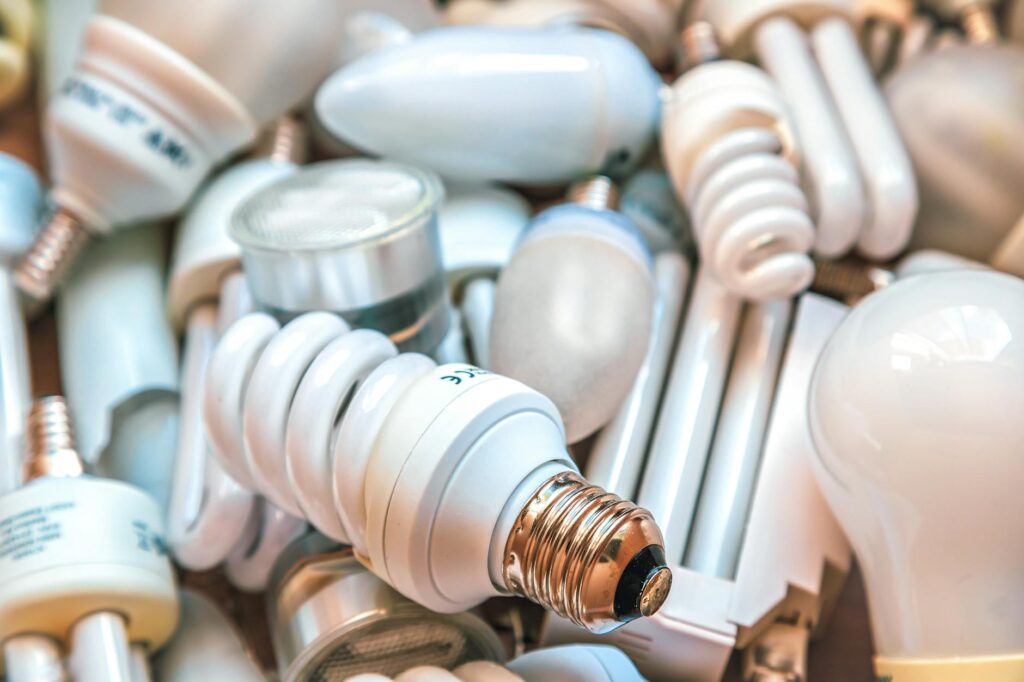
LED Lighting Revolution: Swap out old incandescent bulbs for LEDs. They use up to 80% less energy and last much longer. While the upfront cost is higher, the savings over the bulb’s lifespan are substantial.
Appliance Awareness: When it’s time to replace appliances, always choose ENERGY STAR certified models. they’re designed to be more efficient. Also, unplug electronics or use smart power strips to combat “phantom load” – the energy devices consume even when off.
Mindful Habits: Simple behavioral changes matter. Use ceiling fans to feel cooler, reducing A/C use. Wash clothes in cold water. Shorter showers save hot water. These small shifts collectively reduce energy demand.
Understanding Home Energy Audits
For a truly complete understanding of your home’s energy performance, consider a professional home energy audit. Here’s like a doctor’s check-up for your house. An auditor uses specialized tools, like blower doors and infrared cameras, to pinpoint exactly where your home is losing energy. They’ll identify insulation gaps, air leaks, and inefficient systems.
The audit typically results in a prioritized list of recommended improvements, often with estimated costs and savings. This data-driven approach helps you focus your efforts and budget on the most effective upgrades. Many utility companies offer rebates or even free/low-cost audits, so it’s worth checking their programs.
According to the U.S. Department of Energy, a typical home loses 25-30% of its heating and cooling energy due to air leaks and poor insulation. Addressing these issues through an energy audit can lead to significant annual savings.
Are Energy Efficient Homes Worth the Investment?
Absolutely. While some upgrades require an upfront cost, the long-term financial and environmental benefits are undeniable. An energy efficient home not only lowers your monthly utility bills but also increases your home’s resale value. Buyers are increasingly looking for homes that are comfortable, healthy, and cost-effective to operate.
And — reducing your energy consumption lessens your environmental impact. You’ll be contributing to cleaner air and reducing reliance on fossil fuels. The comfort factor is also huge – no more drafty rooms or uneven temperatures. It’s an investment in your comfort, your finances, and the planet.
I remember a client who was hesitant about upgrading their old windows. After investing in new, energy-efficient ones, they reported not only a noticeable drop in their heating bills but also a significant increase in comfort, especially in the rooms that were previously unbearably cold in winter.
The long-term savings often far outweigh the initial costs. For example, upgrading attic insulation might cost a few thousand dollars but can save homeowners hundreds each year. Over a decade, that’s thousands saved, plus the benefit of a more comfortable home.
provides more ideas for sustainable living that complement energy efficiency efforts.
Common Mistakes to Avoid
When striving for an energy efficient home, a few common pitfalls can derail your efforts or lead to wasted money. One common mistake is focusing solely on one area, like just upgrading windows, without addressing more critical issues like attic insulation or air sealing. This creates an unbalanced approach where the benefits are limited.
Another frequent error isn’t getting a professional assessment first. Many homeowners guess what needs improvement, leading to inefficient spending. A proper [EXTERNAL_LINK url=”https://www.energy.gov/energysaver/home-energy-audits” anchor=”home energy audit”] provides the data needed for targeted, effective improvements.
Finally, buying the cheapest option isn’t always the most cost-effective. While budget is important, investing in quality, efficient products (like ENERGY STAR appliances or properly rated insulation) will pay dividends in energy savings and longevity, making them more economical in the long run.
Frequently Asked Questions
what’s the single most effective way to make a home energy efficient?
The single most effective step is typically improving attic insulation and ensuring proper air sealing. This reduces heat loss in winter and heat gain in summer, directly lowering heating and cooling costs — which are the largest energy expenses for most homes.
How much can I save by making my home energy efficient?
Savings vary widely based on your starting point and improvements made, but homeowners can often reduce their energy bills by 10% to 30% or even more. Upgrades like insulation, air sealing, and efficient HVAC systems offer the most substantial long-term savings.
What are the main components of an energy efficient home?
Key components include a well-insulated building envelope (attic, walls, foundation), high-performance windows and doors, effective air sealing to prevent drafts, and efficient heating, ventilation, and air conditioning (HVAC) systems.
Do smart thermostats actually save money?
Yes, smart thermostats can save money by allowing you to program heating and cooling schedules based on your occupancy. They learn your habits and can optimize temperatures automatically, potentially reducing energy use for heating and cooling by up to 10% annually.
Is it better to upgrade insulation or windows first?
Generally, addressing attic insulation and air sealing offers a higher return on investment and more significant energy savings than window replacement. It’s usually recommended to prioritize insulation and air sealing before investing in new windows.
Start Saving Today
Creating an energy efficient home is a journey, not a destination. By principles and implementing practical steps, you can reduce your energy consumption, lower your bills, and enhance your home’s comfort. Start with the low-cost improvements and plan for larger investments over time. Your wallet and the planet will thank you.
Source: Britannica
Editorial Note: This article was researched and written by the The Metal Specialist editorial team. We fact-check our content and update it regularly. For questions or corrections, contact us.