
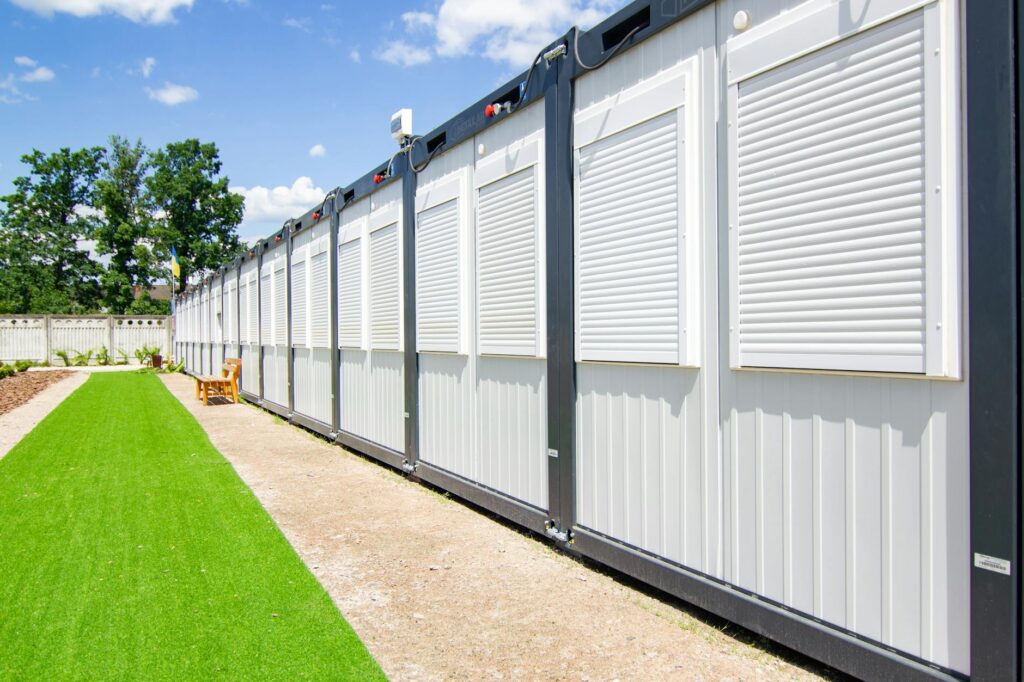
Prefab Construction Costs: Your 2026 Budget Guide
Planning a new build in 2026? You’ve likely heard whispers about prefab construction, and for good reason. It promises speed, efficiency, and often, significant cost savings. But what exactly are the prefab construction costs you should expect? It’s not a one-size-fits-all answer, as many factors play a role, from the size and complexity of your project to the specific materials and finishes you choose. My experience over the last decade has shown me that while initial estimates can seem lower than traditional builds, a thorough understanding of the cost components is vital for a successful project and a stress-free budget.
Last updated: April 18, 2026
This guide is designed to pull back the curtain on prefab construction costs, giving you the clarity you need to make informed decisions. We’ll cover everything from the factory floor to your finished foundation, ensuring you know what to budget for and where potential savings lie. Let’s break it down.
Table of Contents
- What Are Prefab Construction Costs?
- Key Factors Influencing Prefab Construction Costs
- Modular vs. Site-Built: A Cost Comparison
- Breakdown of Prefab Construction Expenses
- Estimating Your Prefab Construction Budget
- Smart Ways to Save on Prefab Projects
- Common Prefab Cost Mistakes to Avoid
- The Future of Prefab Pricing
- Frequently Asked Questions About Prefab Construction Costs
What Are Prefab Construction Costs?
Prefab construction costs refer to the total expense involved in building a structure using prefabricated components manufactured off-site in a factory. This includes the cost of the modules or panels, transportation to the building site, site preparation, foundation, assembly, and finishing work. Unlike traditional construction where most of the building happens on-site, prefab shifts labor and material handling to a controlled factory environment.
In my early days exploring offsite construction, I was initially surprised by how much of the final price tag was determined before a single shovel hit the ground. The factory fabrication is a massive part of the overall cost, often accounting for 50-70% of the total project budget for the building shell itself. This contrasts sharply with site-built projects where on-site labor can represent a much larger percentage of the overall cost.
The primary advantage driving these costs is efficiency. Factories can optimize material usage, reduce waste, and employ assembly-line techniques, leading to faster production times and lower labor costs per unit. This often translates into a more predictable and potentially lower overall cost compared to conventional building methods, though the exact savings can vary widely.
Key Factors Influencing Prefab Construction Costs
Several elements directly impact the final price of a prefab project. Understanding these can help you manage your budget effectively and make informed choices. The most significant drivers are the size and complexity of the structure, the materials and finishes selected, transportation logistics, and site-specific requirements.
Size and Square Footage: This is the most obvious factor. Larger homes or buildings naturally cost more due to the increased material and labor required for fabrication and assembly. However, the cost per square foot can sometimes decrease with larger projects due to economies of scale in the factory.
Design Complexity: A simple rectangular design will be far less expensive than a multi-story structure with complex rooflines, numerous corners, or intricate architectural features. The more unique or custom the design, the more engineering, specialized labor, and material waste will be involved, driving up costs.
Materials and Finishes: Just like in traditional building, the quality of materials and finishes you choose plays a huge role. Opting for high-end flooring, custom cabinetry, premium countertops, or advanced HVAC systems will increase the prefab construction costs. Standard, builder-grade options are the most budget-friendly.
Transportation: Modules are built to standard road transport dimensions. If your site is difficult to access (e.g., narrow roads, bridges with weight limits, remote locations), the transportation costs can skyrocket. Special permits, escorts, and potentially even specialized transport equipment may be needed.
Site Preparation: While the building itself is prefabricated, your site still needs to be ready. This includes excavation, grading, utility hookups (water, sewer, electricity), and the foundation. The condition and accessibility of your land will influence these costs. Steep slopes or rocky terrain can increase site prep expenses.
Assembly and Installation: Once the modules arrive, they need to be lifted into place and joined together. This requires a crane, skilled labor, and specialized tools. The complexity of the assembly and the ease of access for the crane will affect this cost.
Modular vs. Site-Built: A Cost Comparison
The ongoing debate is whether prefab construction is truly cheaper than traditional site-built methods. The answer, as with most things in construction, is “it depends.” However, generally speaking, prefab construction often offers a cost advantage, especially when you consider the total project timeline and reduced risk of cost overruns.
Speed and Labor Savings: Prefabrication happens concurrently with site preparation. This overlap reduces the overall project timeline. A shorter build time means less financing interest paid and often lower on-site labor costs, as the bulk of the work is done in a factory setting with higher efficiency. In my experience, a 30% reduction in build time isn’t uncommon — which directly impacts the total cost.
Material Efficiency and Waste Reduction: Factories are designed for optimal material utilization. They can purchase materials in bulk, precisely cut components, and recycle or repurpose scraps. This leads to less material waste compared to on-site construction — where weather and site conditions can lead to spoilage and discarded materials. The U.S. Environmental Protection Agency (EPA) notes that prefabrication can reduce construction waste by as much as 90%.
Quality Control and Predictability: Factory environments offer controlled conditions, free from weather delays. This leads to higher quality control and more predictable production schedules. This predictability is a significant cost saver, as it minimizes the risk of unexpected delays and the associated expenses that often plague traditional builds.
Initial Cost vs. Total Cost: While the initial price of a prefab home might sometimes appear similar to or even slightly higher than a comparable site-built home for the structure itself, the total cost of ownership and completion is often lower. Here’s due to the factors mentioned above – reduced labor, less waste, faster completion, and fewer weather-related delays.
According to a report by the National Association of Home Builders (NAHB) in 2023, the average cost per square foot for a site-built single-family home could range from $150 to $250, while modular homes often fall within a similar range or slightly lower, typically between $120 to $200 per square foot for the core structure, before site-specific costs.
However, it’s Key to remember that customization and high-end finishes can drive prefab costs up sometimes exceeding site-built equivalents. Always compare apples to apples when looking at quotes.
Breakdown of Prefab Construction Expenses
To truly grasp prefab construction costs, you need to dissect the various components that make up the final price. This breakdown helps identify where your money is going and where you might have some negotiation power or opportunities for savings.
1. Design and Engineering Fees:
Before fabrication begins, you’ll pay for architectural plans, structural engineering, and any necessary permits. These costs vary based on the complexity of your design and local regulations. For standard models, these fees might be bundled, but custom designs will incur higher charges.
2. Module/Panel Fabrication:
This is the core cost, covering materials (framing, insulation, sheathing, windows, doors) and labor within the factory. It’s calculated based on the size, complexity, and quality of finishes specified for each module or panel.
3. Transportation Costs:
Shipping the finished modules from the factory to your site. Here’s often charged per mile and can include special permits, escorts for oversized loads, and potential crane rental for loading at the factory if needed.
4. Site Preparation:
This includes all work done on your land before the modules arrive. Clearing, grading, excavation, utility trenching, and driveway construction fall under this category. Costs are highly variable depending on your site’s topography and existing conditions.
5. Foundation:
Whether it’s a slab, crawl space, or basement, the foundation is built on-site. The type and size of the foundation will impact this cost. Some prefab companies offer foundation packages, while others expect you to contract this separately.
6. Assembly and Installation:
The labor and equipment (like a crane) needed to place the modules onto the foundation and connect them. Here’s a critical phase that requires skilled professionals to ensure structural integrity.
7. Interior and Exterior Finishing:
Connecting modules, installing interior walls, drywall, painting, flooring, cabinetry, plumbing fixtures, electrical wiring, HVAC systems, and exterior siding, roofing, and trim. Some prefab packages include these, while others leave them for you to complete or hire local contractors for.
8. Permits and Inspections:
Local building permits and associated inspection fees are required, just like with traditional construction. These vary by municipality and project scope.
9. Contingency Fund:
Always set aside 10-20% of your total budget for unexpected issues. Here’s standard practice in any construction project, prefab or not.
Estimating Your Prefab Construction Budget
Estimating your prefab construction costs requires a systematic approach. Start by defining your project scope clearly, then gather quotes and research local expenses for site-specific work. My approach involves several key steps:
Step 1: Define Your Needs and Wants
Determine the size (square footage), number of rooms, style, and essential features. Prioritize what’s non-negotiable versus what’s desirable. This clarity will help you communicate effectively with prefab manufacturers and avoid scope creep.
2. Research Prefab Manufacturers
Identify reputable prefab builders in your region. Look at their standard models, customization options, and pricing structures. Request preliminary pricing based on your defined needs. Be aware that initial quotes are often estimates and can change as the design is finalized.
3. Get Detailed Quotes
Once you’ve narrowed down manufacturers, obtain detailed, itemized quotes. Ensure each quote specifies exactly what’s included – from the base modules to finishes, delivery, and assembly. Compare these carefully, looking beyond just the bottom line.
4. Investigate Site-Specific Costs
This is where many budgets go awry. Get quotes from local contractors for site preparation, excavation, utility hookups, and foundation work. Costs can vary wildly depending on your land. For example, in areas with high water tables, specialized foundation work might be needed, adding thousands.
5. Factor in Transportation and Assembly
Confirm the delivery costs and crane rental expenses with the manufacturer. Understand the logistical challenges of your site – accessibility for large trucks and cranes is really important and can influence these costs.
6. Add Finishing Touches and Utilities
Account for the cost of connecting utilities, landscaping, driveways, and any interior/exterior finishes not included in the prefab package. Also, budget for permits, inspections, and potential impact fees.
7. Include a Contingency
As mentioned, always add a buffer of 10-20% for unforeseen circumstances. This buffer is your safety net against unexpected discoveries or changes during the construction process.
Estimating Your Prefab Construction Budget
Estimating your prefab construction costs requires a systematic approach. Start by defining your project scope clearly, then gather quotes and research local expenses for site-specific work. My approach involves several key steps:
Step 1: Define Your Needs and Wants
Determine the size (square footage), number of rooms, style, and essential features. Prioritize what’s non-negotiable versus what’s desirable. This clarity will help you communicate effectively with prefab manufacturers and avoid scope creep.
2. Research Prefab Manufacturers
Identify reputable prefab builders in your region. Look at their standard models, customization options, and pricing structures. Request preliminary pricing based on your defined needs. Be aware that initial quotes are often estimates and can change as the design is finalized.
3. Get Detailed Quotes
Once you’ve narrowed down manufacturers, obtain detailed, itemized quotes. Ensure each quote specifies exactly what’s included – from the base modules to finishes, delivery, and assembly. Compare these carefully, looking beyond just the bottom line.
4. Investigate Site-Specific Costs
This is where many budgets go awry. Get quotes from local contractors for site preparation, excavation, utility hookups, and foundation work. Costs can vary wildly depending on your land. For example, in areas with high water tables, specialized foundation work might be needed, adding thousands.
5. Factor in Transportation and Assembly
Confirm the delivery costs and crane rental expenses with the manufacturer. Understand the logistical challenges of your site – accessibility for large trucks and cranes is really important and can influence these costs.
6. Add Finishing Touches and Utilities
Account for the cost of connecting utilities, landscaping, driveways, and any interior/exterior finishes not included in the prefab package. Also, budget for permits, inspections, and potential impact fees.
7. Include a Contingency
As mentioned, always add a buffer of 10-20% for unforeseen circumstances. This buffer is your safety net against unexpected discoveries or changes during the construction process.
Smart Ways to Save on Prefab Projects
While prefab construction can be cost-effective, there are always ways to optimize your budget further. Smart planning and strategic choices can lead to significant savings without compromising quality. Here are some tips I’ve gathered over the years:
1. Choose Standard Designs:
Opting for a manufacturer’s standard, pre-designed models is almost always cheaper than a fully custom design. These designs are optimized for efficient production and material use.
2. Limit Customization:
While customization is a perk of prefab, every change adds cost. Stick to standard finishes, fixture options, and layouts where possible. If you want unique touches, consider adding them after the home is delivered.
3. Build in Bulk:
Larger modules or panels can sometimes lead to a lower cost per square foot due to production efficiencies. Consider if combining smaller units into a larger one makes financial sense.
4. Optimize Site Access:
Work with your prefab company and site contractor to ensure the easiest possible access for delivery trucks and cranes. Reducing travel distance for the crane or avoiding complex maneuvering can cut assembly costs.
5. Phase Your Finishes:
If budget is tight, consider completing some interior or exterior finishes yourself or at a later date. For instance, you might opt for basic flooring initially and upgrade later, or handle painting yourself.
6. Research Local Site Costs:
Get multiple bids for site preparation, foundation, and utility work. Sometimes, the savings on the manufactured modules can be offset by high local labor costs for on-site work. Shopping around is key.
7. Look for Off-Season Deals:
Like many industries, prefab manufacturers might offer discounts during slower periods. Inquire about potential savings if you can be flexible with your build schedule.
8. Consider Energy Efficiency Upgrades:
While these might add to the upfront prefab construction costs, superior insulation and high-performance windows in prefab homes often lead to significant long-term savings on energy bills. Here’s an investment that pays dividends.
Common Prefab Cost Mistakes to Avoid
Despite the potential for savings, many people stumble when budgeting for prefab construction. Being aware of these common pitfalls can save you significant headaches and money. I’ve seen these mistakes derail projects more times than I can count.
Mistake 1: Underestimating Site Work Costs
This is arguably the biggest budget killer. People focus heavily on the factory-built price and forget that the land needs extensive preparation, utilities need to be brought in, and a solid foundation is essential. These costs are highly site-specific and can be substantial.
Mistake 2: Ignoring Transportation and Logistics
Complex sites, long distances from the factory, or difficult terrain can make transportation and crane assembly surprisingly expensive. Always get a firm quote that accounts for your specific location and site access challenges.
Mistake 3: Not Getting Detailed Quotes
Accepting a vague estimate without a clear breakdown of what’s included (and what’s not) is risky. You might end up paying for items you assumed were covered, like specific interior finishes or final connections.
Mistake 4: Over-Customizing Standard Designs
While customization is a benefit, going overboard on a standard model can negate the cost savings. Each change requires re-engineering and potentially slower production, adding expense.
Mistake 5: Forgetting the Contingency Fund
Construction is unpredictable. Not budgeting for unexpected issues—like discovering poor soil conditions or needing specialized permits—can lead to project halts and financial strain.
Mistake 6: Misunderstanding Building Codes and Permits
Ensure your chosen prefab design meets local building codes. Some designs might require modifications, and navigating permit processes can incur fees and delays if not handled proactively.
Mistake 7: Focusing Solely on Upfront Price
Cheaper isn’t always better. Prioritize quality and long-term value. For example, a slightly higher upfront cost for superior insulation or energy-efficient windows can lead to significant savings over the life of the building.
The Future of Prefab Pricing
The prefab construction industry is evolving rapidly, and this will influence future pricing. Several trends suggest continued cost efficiencies and potential shifts in the market.
Increased Automation and Technology: As factories adopt more robotics and advanced manufacturing techniques, labor costs per unit are likely to decrease further. This could lead to more competitive pricing for prefab modules and panels.
Supply Chain Efficiencies: Growing demand and industry maturity are leading to more simplifyd supply chains for prefab components. Bulk purchasing and optimized logistics can translate into lower material costs passed on to consumers.
Sustainability Focus: The industry’s push towards greener building practices, including waste reduction and energy-efficient designs, might see initial costs for sustainable features decrease as they become more standard. Long-term operational savings will also become a more prominent selling point.
Market Growth and Competition: As more companies enter the prefab market and competition intensifies, consumers are likely to see more competitive pricing and a wider range of options at various price points. This increased competition can drive innovation and cost reductions.
Potential for Higher Customization Costs: While standard models may become more affordable, highly complex or bespoke custom prefab projects could see their prices rise as demand for unique designs increases, requiring more specialized engineering and fabrication.
Overall, the trend points towards prefab construction becoming an increasingly attractive and cost-effective option for a lots of projects in the coming years. The inherent efficiencies of factory production, combined with technological advancements, are set to make it a dominant force in the construction sector.
Frequently Asked Questions About Prefab Construction Costs
How much cheaper is prefab construction than traditional building?
Prefab construction costs can be 10-25% lower than traditional site-built methods, primarily due to reduced labor, less material waste, and faster construction timelines. This saving is most significant when comparing the core structure and overall project duration, not necessarily every single finish.
Are prefab homes more expensive to customize?
Yes, customization adds to prefab construction costs. While prefab allows for design flexibility, significant deviations from standard models require extra engineering, specialized fabrication, and can increase both the module price and production time, making them more expensive than standard options.
What costs aren’t typically included in a prefab home price?
Typically excluded from base prefab prices are land acquisition, site preparation (excavation, grading), utility hookups, foundation work, delivery to remote sites, crane assembly, permits, and landscaping. Always confirm what’s included with your manufacturer.
Can I get financing for prefab construction projects?
Yes, financing is available for prefab construction, though it can differ from traditional mortgages. Many lenders offer construction loans that cover the entire process, from fabrication to final completion. It’s wise to speak with lenders experienced in prefab financing early on.
what’s the average cost per square foot for a prefab home in 2026?
In 2026, average prefab construction costs per square foot for the manufactured modules can range from $120 to $200, depending on quality and customization. This figure excludes land, site work, foundation, and assembly — which can add another $100-$200+ per square foot.
Understanding prefab construction costs in 2026 is essential for a successful building project. By carefully considering all the influencing factors, researching thoroughly, and planning diligently, you can use the efficiencies of prefab to build your dream space within your budget. Don’t let the numbers intimidate you. approach it systematically, and you’ll be well on your way to a cost-effective and high-quality build.
Source: Britannica
Editorial Note: This article was researched and written by the The Metal Specialist editorial team. We fact-check our content and update it regularly. For questions or corrections, contact us.