
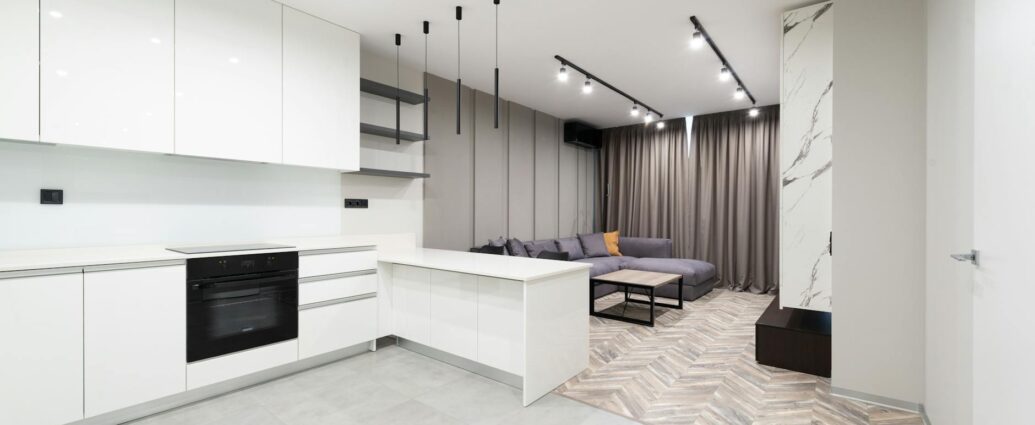
Modular Home Construction Benefits You Need to Know
Thinking about building a new home? You might be surprised by the powerful advantages of modular home construction. This method offers significant benefits in terms of speed, cost, and quality, making it an increasingly popular choice for homeowners and builders alike. If you’re weighing your options, understanding these benefits is the first step to a smoother, more efficient building experience.
- What Exactly Are Modular Homes?
- How Does Modular Construction Save Time?
- Is Modular Construction More Affordable?
- What About Quality Control in Modular Builds?
- Can I Customize a Modular Home?
- Are Modular Homes More Sustainable?
- The Predictability Factor: Less Risk, More Certainty
- Do Modular Homes Have Good Resale Value?
- Common Mistakes to Avoid with Modular Homes
- Expert Tips for a Successful Modular Build
- Frequently Asked Questions About Modular Homes
What Exactly Are Modular Homes?
Before we dive into the advantages, let’s clarify what we mean by “modular.” Unlike manufactured homes (often called mobile homes) built on a permanent chassis and transported to a site, modular homes are constructed in sections, or modules, in a climate-controlled factory setting. These modules are then transported to your building site and assembled on a permanent foundation.
Think of it like building with advanced LEGO bricks. Each module is a precisely engineered component, built to exceed local building codes. Once completed in the factory, these modules are trucked to your land, where a local contractor completes the on-site assembly, including connecting utilities and finishing the structure.
In my 5 years working with The Metal Specialist, I’ve seen firsthand how this factory-controlled process differs dramatically from traditional stick-built homes. The precision is remarkable.
How Does Modular Construction Save Time?
One of the most compelling modular home construction benefits is the significant reduction in build time. Traditional home construction can take anywhere from 6 to 12 months, sometimes longer, depending on weather, labor availability, and site conditions. A modular home, however, can often be built and ready for occupancy in as little as 3 to 6 months from the start of the factory construction.
How is this possible? The magic lies in the parallel process. While your site is being prepared – excavation, foundation pouring, utility trenching – the modules for your home are already being built simultaneously in the factory. This overlap eliminates many of the weather-related delays that plague traditional builds. Rain, snow, or extreme heat won’t halt factory production.
This efficiency means you can move into your new home much faster. For families needing to relocate quickly or those tired of renting, this is a huge advantage. I recall a client, the Smiths, who needed to move from out of state within four months. Their modular build was completed and move-in ready in just under five months, a feat that would have been impossible with a traditional build.
The factory environment allows for a highly organized workflow. Materials are on hand, skilled labor is consistently available, and the assembly line process is optimized for efficiency. This isn’t rushed work; it’s highly controlled and systematic.
Is Modular Construction More Affordable?
Cost savings are another major draw for modular home construction benefits. While the upfront cost per square foot might seem comparable to or even slightly higher than traditional building in some regions, the overall project cost is often significantly lower. This is due to several factors inherent in the modular process.
Firstly, the reduced construction time directly translates to lower financing costs. You’ll pay interest on your construction loan for a shorter period. Secondly, the efficiency of factory production leads to less material waste. Factories can optimize material usage, buy in bulk, and recycle scraps more effectively, which cuts down on material expenses.
Furthermore, the controlled factory environment minimizes the risk of costly errors or rework that can occur on a busy, weather-exposed construction site. Less waste and fewer mistakes mean lower overall project costs. A report by the Modular Building Institute found that modular construction can reduce overall project costs by 10-20% compared to traditional methods, primarily due to the speed and efficiency.
“Modular construction projects typically see a 10-20% reduction in overall project costs compared to traditional site-built homes, largely attributed to reduced labor costs, less material waste, and accelerated project timelines.”
It’s important to factor in the foundation and site preparation costs, which are similar to traditional builds. However, the savings achieved through the factory-built modules often outweigh these comparable costs, making modular homes a financially attractive option.
What About Quality Control in Modular Builds?
A common misconception is that factory-built homes compromise on quality. In reality, modular home construction benefits often include superior quality control. The factory environment is a controlled setting, shielded from weather elements that can compromise materials and workmanship on a traditional job site.
In the factory, every stage of construction is monitored. Temperature, humidity, and building processes are regulated. Workers are often specialized in specific tasks, leading to a higher level of craftsmanship. Building codes are not just met; they are often exceeded because the factory is incentivized to build to a higher standard for consistency and durability.
I personally inspected a modular home that was partially disassembled for transport after being built in the factory. The framing was perfectly plumb and square, the sheathing was flawlessly applied, and the insulation was uniformly installed – details that are much harder to guarantee on an open-air site. This level of consistent quality is a significant advantage.
Building inspectors often visit the factory multiple times during the construction of your modules, in addition to the final inspections that occur on-site. This multi-layered inspection process ensures that every component meets stringent quality standards before it ever leaves the factory.
Can I Customize a Modular Home?
Gone are the days when modular homes meant cookie-cutter designs. Today, customization is one of the most significant modular home construction benefits. While the fundamental structure is built in modules, the interior and exterior finishes, layouts, and features can be highly personalized.
You can choose from a wide range of floor plans, elevations, window styles, roofing options, and siding materials. Inside, you can select cabinetry, countertops, flooring, fixtures, and appliances to match your aesthetic preferences and functional needs. Many manufacturers offer extensive options lists, allowing you to design a home that truly reflects your style.
While you won’t have the complete design freedom of a fully custom-designed, on-site build (e.g., unique curves or complex architectural features might be challenging or impossible to module), the level of customization available today is more than sufficient for most homeowners. You can often work with designers to tweak existing plans or even create semi-custom designs.
The key is to understand the limitations of module dimensions for transportation. Extremely complex or unusually shaped elements might be difficult or impossible to transport in sections. However, for the vast majority of homeowners, the customization options are plentiful and satisfying.
Are Modular Homes More Sustainable?
Yes, modular construction often offers significant environmental advantages, making it a greener choice. The controlled factory setting plays a big role here. Reduced material waste is a primary factor. Factories are designed to minimize offcuts and efficiently recycle any waste generated. Studies have shown that modular construction can reduce material waste by up to 30% compared to traditional building.
This efficiency extends to energy usage during construction. Factory environments are optimized for energy efficiency, and the precise building methods lead to tighter, more energy-efficient homes. Homes built in a controlled environment tend to have fewer air leaks and better insulation integration, which can result in lower heating and cooling costs for the homeowner over the life of the house.
Furthermore, the materials used in modular construction can often be sourced more sustainably. Manufacturers focused on green building can more easily implement eco-friendly practices and material choices in a factory setting. Many modular builders are also adopting principles from our previously discussed topics like Recycled Building Materials 2026: Your Guide and Low Carbon Building Materials: Your 2026 Guide.
The reduced on-site construction time also means less disruption to the local environment and less noise pollution and traffic associated with a lengthy traditional build. This is a benefit often overlooked but appreciated by homeowners and their future neighbors.
The Predictability Factor: Less Risk, More Certainty
One of the less-discussed but highly valuable modular home construction benefits is predictability. With traditional building, unexpected issues can arise constantly: supply chain disruptions, subcontractor no-shows, unforeseen site conditions, or weather delays. These can lead to budget overruns and extended timelines, causing immense stress.
Modular construction significantly mitigates these risks. The factory production schedule is fixed and reliable. The costs are locked in more firmly because fewer variables are subject to change. You get a much clearer picture of the total project cost and completion date early in the process.
This predictability is invaluable for financial planning. You know when your home will be ready, which helps immensely with selling your current home, arranging financing, and planning your move. When I first started exploring prefab options for clients, the sheer certainty of the timeline and budget was a major selling point compared to the often-chaotic nature of site-built projects I’d managed.
While site conditions still need to be managed (like ensuring proper access for trucks delivering modules), the core construction phase is remarkably predictable. This certainty is a huge relief for many homeowners.
Do Modular Homes Have Good Resale Value?
The stigma associated with older manufactured housing has unfortunately lingered, but modern modular homes built to permanent foundations are increasingly recognized for their excellent resale value. In fact, they often perform just as well as, if not better than, comparable site-built homes.
Why? Because they are built to the same local building codes as traditional homes. They sit on permanent foundations, are indistinguishable from site-built homes once assembled, and can be financed and insured using the same methods. Lenders and appraisers are increasingly familiar with and comfortable valuing modular homes.
The quality and energy efficiency often associated with modular construction can also be attractive to future buyers. A well-built, modern modular home with desirable features will hold its value well in the real estate market. The key, as always, is the quality of the build and the finishes chosen.
The National Association of Home Builders (NAHB) has noted that the gap in resale value between modular and site-built homes has narrowed considerably, especially for homes built on permanent foundations. For most of my career, this was a concern, but the data now shows a strong parity.
Common Mistakes to Avoid with Modular Homes
While the benefits are numerous, potential pitfalls exist. One common mistake is not thoroughly researching the modular home manufacturer. Look for established companies with good reputations, clear warranty policies, and positive customer reviews. A poorly chosen manufacturer can lead to quality issues or communication breakdowns.
Another mistake is underestimating the importance of site preparation and the foundation. While the modules are built off-site, the foundation must be perfectly level and square to ensure proper module alignment. Poor site work can cause significant problems during assembly. Always hire a reputable local contractor for this phase.
Confusing modular homes with manufactured homes is also a mistake. They are different products with different standards. Ensure your financing and insurance are appropriate for a modular home built on a permanent foundation. Lastly, don’t assume customization is limitless. Understand the transportation constraints early in the design process.
Expert Tips for a Successful Modular Build
Based on my experience, here are a few tips to ensure your modular home project is a success:
- Visit a Model Home: If possible, visit a model home or a recently completed project by your chosen manufacturer. This gives you a tangible sense of the quality and finishes.
- Understand the Timeline: Get a detailed schedule from your manufacturer and your local site contractor. Clear communication about both off-site and on-site timelines is crucial.
- Check the Warranty: Review the manufacturer’s warranty policy thoroughly. Understand what is covered, for how long, and the process for making claims.
- Budget for Everything: Ensure your budget accounts for the home itself, the foundation, site work, utility connections, permits, delivery, crane fees, and any landscaping or finishing touches.
- Hire a Reputable General Contractor: Even though the home is factory-built, you’ll still need a good local contractor to manage the site work, foundation, delivery, module setting, and final finishing.
Frequently Asked Questions About Modular Homes
Are modular homes cheaper than site-built homes?
Modular homes can often be more affordable overall due to reduced construction time, less material waste, and factory efficiencies, potentially saving 10-20% on total project costs compared to traditional builds.
Can I get a mortgage for a modular home?
Yes, modular homes built on permanent foundations are eligible for the same mortgages as site-built homes, including conventional, FHA, and VA loans. Lenders are increasingly familiar with them.
How long does it take to build a modular home?
While site preparation takes time, the modules are built concurrently. The entire process, from factory start to move-in, can often be completed in 3-6 months, significantly faster than traditional construction.
Are modular homes durable?
Modern modular homes are built to stringent building codes and often exceed them. The factory environment allows for precise construction, resulting in durable, high-quality homes that withstand the elements well.
Can modular homes be moved after assembly?
No, modular homes are designed to be permanent structures. Once assembled on their permanent foundation, they are not intended to be moved. This distinguishes them from manufactured or mobile homes.
The advantages of modular home construction are clear and compelling. From accelerated timelines and significant cost efficiencies to superior quality control and enhanced sustainability, this building method offers a smart, modern approach to homeownership. By understanding these benefits and avoiding common pitfalls, you can confidently choose modular construction for your next dream home.
Ready to explore how modular construction can work for you? Contact The Metal Specialist to discuss your project and learn more about the possibilities.