
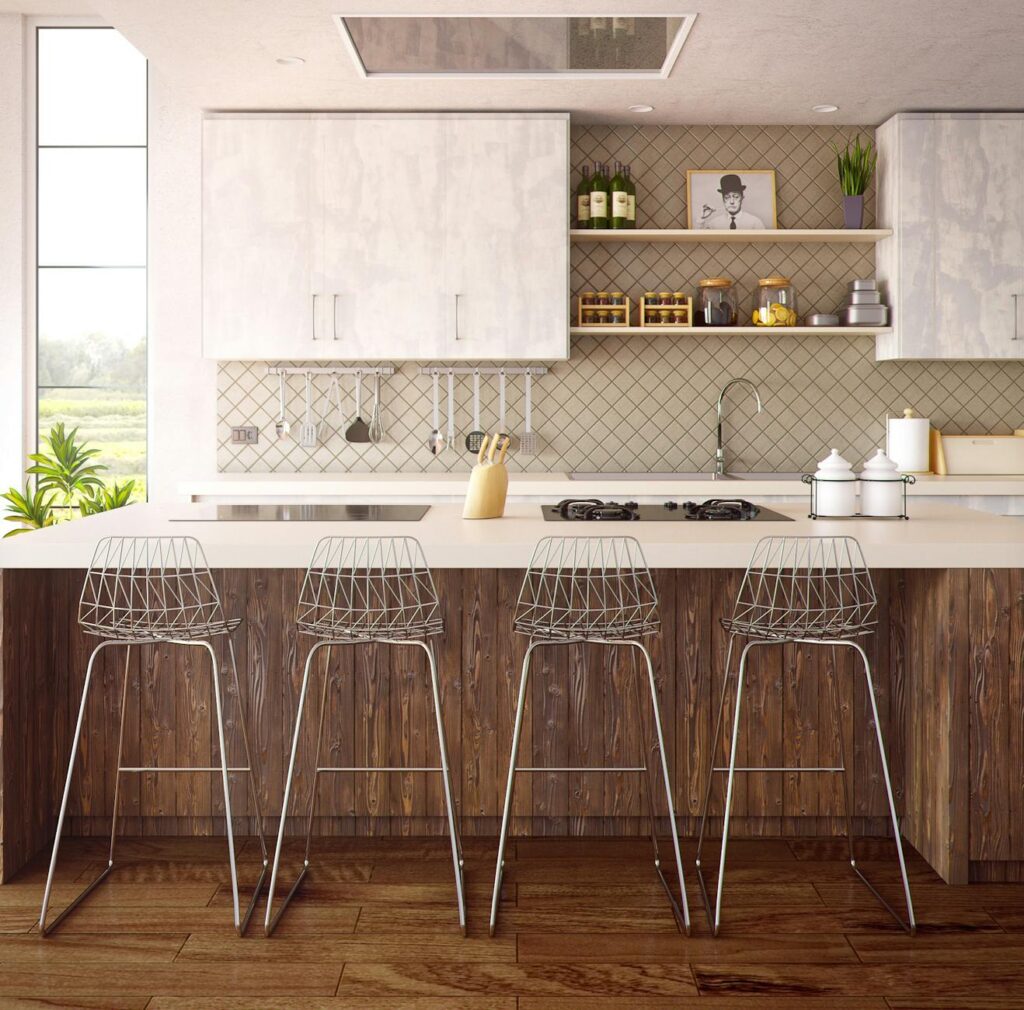
Kitchen Remodel Trends 2026: Your Style Guide
The heart of the home is getting a major glow-up. If you’re dreaming of a kitchen that’s as functional as it’s beautiful, you’ve landed in the right place. Kitchen remodel trends 2026 are shaping up to be an exciting mix of latest technology, earthy sustainability, and personalized style. Forget sterile, cookie-cutter spaces. the future is about creating kitchens that truly reflect your life, your values, and your culinary adventures. From integrated smart appliances that simplify your day to eco-friendly materials that make you feel good about your choices, we’re seeing a shift towards spaces that are both intelligent and inviting.
Last updated: April 18, 2026
I’ve spent the last decade watching kitchens evolve, and the upcoming year promises some of the most significant shifts yet. It’s not just about aesthetics anymore. it’s about creating a harmonious environment that supports how we live, cook, and connect. This guide will walk you through the key trends you need to know, offering practical advice on how to weave them into your own renovation plans, whether you’re aiming for a complete overhaul or a subtle refresh.
Table of Contents
- Are Smart Kitchens the Future?
- What Sustainable Materials Will Dominate Kitchens?
- What Are the Top Kitchen Color Palettes for 2026?
- What Are the Latest Cabinetry and Storage Solutions?
- What’s New in Countertops and Backsplashes?
- How Will Lighting and Appliances Evolve?
- What Kitchen Layouts and Functional Elements Are Trending?
- Frequently Asked Questions
Are Smart Kitchens the Future?
Absolutely. The integration of smart technology into kitchens isn’t just a fleeting fad. it’s a fundamental shift towards creating more efficient, intuitive, and connected living spaces. In 2026, we’ll see smart technology move beyond novelty gadgets to become integral components of the kitchen ecosystem. Think refrigerators that track inventory and suggest recipes based on what you have, ovens that can be preheated remotely via an app, and faucets with voice-activated temperature control. This isn’t about replacing human interaction, but rather about streamlining mundane tasks so you can focus on the joy of cooking and spending time with loved ones.
Beyond convenience, smart kitchens offer enhanced safety features. For instance, smart smoke detectors can alert your phone even when you’re away, and smart cooktop sensors can automatically shut off the heat if a pot boils dry or is left unattended for too long. This level of control and awareness can provide significant peace of mind, especially for busy households or those with elderly family members.
When I first started seeing smart appliances, I was skeptical. They seemed expensive and overly complicated. But over the past few years, I’ve tested several integrated systems, and the convenience and energy-saving potential are undeniable. For example, a smart thermostat connected to your oven can optimize cooking times and reduce energy consumption, aligning perfectly with the growing demand for eco-conscious homes.
The key to successful smart kitchen integration is thoughtful planning. It’s not just about buying the latest gadgets. it’s about selecting technologies that genuinely solve problems and enhance your daily routines. Consider your cooking habits, your family’s needs, and your comfort level with technology. A phased approach can also be effective, starting with a few key smart appliances and gradually expanding the system as your needs and budget allow.
What Sustainable Materials Will Dominate Kitchens?
Sustainability is no longer a niche concern. it’s a driving force in design and construction. The kitchen remodel trends for 2026 heavily emphasize eco-friendly materials that are both durable and aesthetically pleasing. Consumers are increasingly aware of the environmental impact of their choices, seeking out options that minimize waste, reduce carbon footprints, and promote healthier indoor air quality. This translates to a demand for materials that are recycled, reclaimed, rapidly renewable, or sourced responsibly.
We’re seeing a resurgence of natural materials like bamboo, cork, and reclaimed wood for cabinetry and flooring. These materials offer a warm, organic feel and are often more sustainable than traditional options. Bamboo, for instance, is a rapidly renewable resource that grows incredibly fast, making it an excellent choice for countertops and flooring. Cork is another fantastic option – it’s naturally antimicrobial, insulating, and harvested without harming the tree.
In 2023, the U.S. Green Building Council reported a 15% increase in demand for certified green building materials, including those used in kitchens, compared to the previous year. This trend is projected to continue its upward trajectory through 2026.
Recycled materials are also gaining significant traction. Think countertops made from recycled glass, paper composite, or even reclaimed plastic. These innovative materials offer unique visual textures and patterns while diverting waste from landfills. For example, recycled glass countertops provide a durable, non-porous surface that can add a touch of sparkle to your kitchen design.
look for options made from FSC-certified wood, bamboo, or recycled composite boards. Many manufacturers now offer low-VOC (volatile organic compound) finishes — which contribute to better indoor air quality – a critical factor for a healthy home environment. For flooring, consider options like linoleum (made from linseed oil, cork, and wood flour), recycled tiles, or sustainably harvested hardwood.
The counterintuitive insight here? Sustainable materials are often more durable and require less maintenance in the long run than their conventional counterparts. For example, properly sealed bamboo or quartz countertops are highly resistant to scratches, stains, and heat, offering a long-lasting and beautiful surface.
What Are the Top Kitchen Color Palettes for 2026?
Color plays a massive role in how we perceive and experience a space. In 2026, kitchen color palettes are leaning towards a sophisticated blend of natural hues, calming tones, and touches of bold accent colors. While white and gray kitchens will likely remain popular for their timeless appeal, we’re seeing a move towards warmer, more inviting palettes that create a sense of comfort and personality.
Earthy tones are making a significant comeback. Think warm beiges, deep terracotta, muted olive greens, and rich browns. These colors bring a sense of grounding and connection to nature, creating a serene and welcoming atmosphere. These can be used for cabinetry, walls, or even as accent colors in backsplashes or décor. I recently helped a client incorporate a deep forest green into their island cabinets, and it completely transformed the space from stark to sophisticated.
Blues and greens, especially softer, muted shades like sage green, dusty blue, and teal, continue to be strong contenders. They evoke a sense of calm and tranquility, making the kitchen a more relaxing place to be. These colors pair beautifully with natural wood tones and metallic accents, offering versatility in design.
For those who love a bit of drama, deep jewel tones like sapphire blue, emerald green, or rich burgundy are emerging as accent colors. These can be used sparingly in backsplashes, decorative tiles, or even in a statement piece of furniture to add a pop of personality and luxury. Black is also making a strong statement, not just in hardware, but as a primary color for cabinets or countertops, offering a sleek and modern look when balanced with lighter elements.
The trend towards personalized spaces means that homeowners are increasingly comfortable using color to express their individuality. Don’t be afraid to mix and match complementary tones or to choose a bold color that speaks to you. A well-chosen color palette can impact the mood and functionality of your kitchen.
Common Mistake to Avoid: Overlooking the impact of lighting on color. Colors can look drastically different under various lighting conditions (natural daylight vs. artificial warm or cool light). Always test paint samples or view material samples in your kitchen’s actual lighting before making a final decision.
What Are the Latest Cabinetry and Storage Solutions?
Cabinetry and storage are the workhorses of any kitchen, and the trends for 2026 focus on maximizing efficiency, enhancing aesthetics, and incorporating smart organizational solutions. We’re moving beyond basic cabinets to integrated systems that are designed to make life easier and keep clutter at bay.
Flat-panel or slab-front cabinets continue to dominate, offering a clean, minimalist look that complements modern and transitional kitchen designs. However, we’re also seeing a subtle resurgence of shaker-style doors, especially in darker wood tones or painted finishes, adding a touch of classic warmth. The key is a simplifyd profile that avoids excessive ornamentation.
Functionality is really important. Think deep drawers instead of lower cabinets for easier access to pots and pans, pull-out pantries for maximizing vertical space, and integrated spice racks or utensil organizers. Corner cabinet solutions like lazy Susans or pull-out shelves are becoming more sophisticated, ensuring no space goes to waste. I recently installed a blind corner pull-out system in a client’s kitchen, and it was a major improvement for accessing that awkward space.
Open shelving is still a trend, but it’s being used more strategically. Instead of entire walls of open shelves, designers are opting for curated displays on select shelves, often mixed with closed cabinetry. This allows for showcasing favorite dishes or decorative items while maintaining a tidy appearance. Floating shelves made from natural wood or metal add a modern touch.
The trend towards integrated appliances means that cabinetry is also evolving to smoothly conceal dishwashers, refrigerators, and even microwaves. This creates a cohesive, uncluttered look. Customization is key here, with manufacturers offering a lots of finishes, hardware, and internal configurations to suit individual needs.
External Authority Link: According to the National Kitchen & Bath Association (NKBA), smart storage solutions and customized cabinetry were among the top requested features in new kitchen designs reported in their 2023 Design Trends survey. You can find more insights on their official website.
minimalist designs are prevailing. Think sleek, slim pulls in matte black, brushed brass, or stainless steel. Integrated hardware — where the pull is built into the cabinet door or drawer edge, is also a growing trend for an ultra-modern look.
What’s New in Countertops and Backsplashes?
Countertops and backsplashes are the jewelry of the kitchen, and in 2026, they’re making a statement. While durability and functionality remain Key, there’s a growing emphasis on unique materials, bold patterns, and smooth integration.
Quartz continues its reign as a popular countertop material due to its durability, low maintenance, and lots of styles, including realistic marble and concrete looks. However, natural stones like granite and quartzite are experiencing a resurgence, prized for their unique veining and natural beauty. Homeowners are increasingly opting for slabs with dramatic movement and character.
Beyond traditional options, sustainable materials like recycled glass, Dekton (a highly durable, non-porous material made from minerals), and even concrete are gaining popularity. Concrete offers a raw, industrial aesthetic and can be customized with various colors and finishes. Recycled glass countertops provide a unique, eco-friendly option with a distinctive sparkle.
The trend of waterfall countertops – where the material flows smoothly down the sides of the island or peninsula – is here to stay. This creates a visually stunning focal point and a sense of luxury. We’re also seeing countertops that extend into integrated sinks, eliminating grout lines and creating a super clean, hygienic surface.
Backsplashes are becoming a canvas for creativity. Large-format tiles are popular for their minimal grout lines, creating a sleek and easy-to-clean surface. Expect to see more intricate patterns, bold colors, and textured materials. Think zellige tiles, intricate geometric patterns, or even backsplashes that extend all the way to the ceiling for a dramatic effect. Metal backsplashes, especially in copper or stainless steel, can add a touch of industrial chic.
A counterintuitive approach gaining traction is using the same material for both countertops and the backsplash. This creates a cohesive, monolithic look that can make a smaller kitchen feel larger and more unified. It’s a bold choice that delivers a high-impact design.
How Will Lighting and Appliances Evolve?
Lighting and appliances are no longer afterthoughts. they’re integral design elements that enhance both the functionality and ambiance of the kitchen. In 2026, expect advancements in smart technology, energy efficiency, and aesthetic integration.
Lighting design is becoming more layered and sophisticated. Ambient lighting (general illumination), task lighting (under-cabinet lights, pendant lights over islands), and accent lighting (in-cabinet lighting, toe-kick lighting) are all being employed strategically. Dimmable LED fixtures are standard, allowing for mood adjustments throughout the day. Smart lighting systems that can be controlled via apps or voice commands are also increasingly common, enabling personalized lighting scenes for cooking, dining, or entertaining.
Statement pendant lights over kitchen islands continue to be a major trend, acting as sculptural focal points. We’re seeing a move towards organic shapes, natural materials like wood or rattan, and mixed metals. Recessed lighting remains a staple for general illumination, but designers are focusing on minimizing can sizes and using trimless fixtures for a cleaner look.
Appliance trends are driven by a desire for efficiency, connectivity, and smooth integration. Smart appliances, as mentioned earlier, are becoming more sophisticated. Refrigerators with internal cameras, ovens with steam cooking functions, and induction cooktops that offer precise temperature control are leading the pack. The push for energy efficiency means ENERGY STAR certified appliances will be the norm.
Aesthetics are also key. Appliances are becoming sleeker, with integrated designs that blend into cabinetry. Panel-ready options — where a cabinet front is attached to the appliance, create a truly smooth look. Matte finishes, especially in black, white, and stainless steel, are popular alternatives to high-gloss surfaces. Professional-style ranges and hoods are still desirable for those who love to cook, but their designs are becoming more refined and less bulky.
Common Mistake to Avoid: Placing task lighting poorly. Under-cabinet lighting is Key for food prep areas, but ensure it’s positioned to eliminate shadows and glare. Also, avoid relying solely on overhead lighting — which can create harsh shadows and a less inviting atmosphere.
The integration of appliances into the overall kitchen design is becoming so sophisticated that they almost disappear. This minimalist approach, combined with smart functionality, creates a kitchen that’s both a high-performing workspace and a beautiful living area. I recall a project where we integrated a dishwasher drawer and a steam oven behind custom panels, and the resulting clean lines were stunning.
What Kitchen Layouts and Functional Elements Are Trending?
The layout of your kitchen is the foundation of its functionality. While the classic work triangle (sink, stove, refrigerator) remains a guiding principle, 2026 kitchen remodel trends are prioritizing flexibility, multi-functional zones, and enhanced workflow.
Open-concept layouts continue to be highly sought after, smoothly connecting the kitchen with living and dining areas. This builds a sense of spaciousness and encourages social interaction. However, there’s a growing appreciation for creating distinct zones within an open plan. You can be achieved through strategic furniture placement, varied flooring, or subtle changes in ceiling height or lighting.
The kitchen island remains a central feature, evolving into a multi-functional hub. Islands are getting larger and incorporating more amenities, such as prep sinks, additional seating, built-in appliances (like wine fridges or microwaves), and extensive storage. Some islands are even designed with dedicated zones for specific tasks, like baking or coffee preparation.
For smaller kitchens, clever design is key. Trends include maximizing vertical space with taller cabinets, using narrow pull-out pantries, and incorporating multi-functional furniture. A rolling island or a drop-leaf table can provide extra prep space and dining options without permanently occupying valuable floor area. Wall-mounted folding tables are also a smart solution for limited spaces.
Another important functional element is the ‘landing zone’ – dedicated counter space adjacent to frequently used appliances like the refrigerator, microwave, or oven. This provides a convenient spot to place items without cluttering the main prep area. Similarly, creating a dedicated ‘beverage station’ or ‘command center’ for mail and charging devices can enhance organization.
The concept of the ‘working pantry’ or ‘prep kitchen’ is also gaining traction. Here’s a secondary, smaller kitchen or a well-equipped pantry space hidden behind a door, allowing for messier prep work or entertaining without disrupting the main kitchen’s aesthetic. It’s a practical solution for those who love to entertain or cook elaborate meals.
External Authority Link: The U.S. Department of Energy’s Energy Saver website offers practical tips on improving kitchen energy efficiency — which often involves optimizing layout for better workflow and appliance placement, contributing to overall functionality and reduced energy consumption. You can explore their recommendations for home energy improvements.
In the end, the most successful kitchen layouts in 2026 will be those that are tailored to the homeowner’s specific lifestyle and needs. It’s about creating a space that flows intuitively, supports your daily routines, and brings you joy.
Frequently Asked Questions
what’s the most popular kitchen style in 2026?
Modern and transitional styles are predicted to be most popular for kitchen remodel trends in 2026. These styles blend clean lines with warm, inviting elements, focusing on functionality, natural materials, and personalized touches. Expect a sophisticated mix of minimalism and comfort, often incorporating smart technology and sustainable features.
Are dark kitchens still in style for 2026?
Yes, dark kitchens are definitely continuing to be a strong trend in 2026, especially as accent colors or for creating a dramatic, sophisticated look. Deep blues, charcoal grays, and even matte blacks are being used for cabinetry, countertops, or backsplashes, often balanced with lighter elements to prevent the space from feeling too heavy.
What are the biggest mistakes people make during a kitchen remodel?
The biggest mistakes often involve poor planning, underestimating the budget, and neglecting functionality for aesthetics. Common errors include inadequate storage solutions, poor lighting design, choosing trendy materials that quickly go out of style, and not considering the workflow of the kitchen. Overlooking the importance of professional design advice is also a frequent pitfall.
How much does a kitchen remodel typically cost in 2026?
The cost of a kitchen remodel in 2026 varies based on size, materials, and scope. A minor refresh might range from $15,000 to $30,000, while a mid-range remodel could be $30,000 to $75,000. High-end, custom remodels with premium appliances and finishes can easily exceed $100,000. Always factor in a 15-20% contingency for unexpected issues.
what’s the most durable countertop material for a kitchen?
For durability, quartz and Dekton are often considered top contenders. Quartz is highly resistant to scratches, stains, and heat, making it very low maintenance. Dekton, a newer material, offers exceptional durability, extreme resistance to heat, stains, and UV rays, and is non-porous. Natural stones like granite and quartzite are also very durable but may require periodic sealing.
As we look ahead to kitchen remodel trends 2026, it’s clear that the kitchen is evolving into a more personalized, intelligent, and sustainable space. By understanding these emerging trends and incorporating practical design strategies, you can create a kitchen that not only looks stunning but also enhances your daily life for years to come. Ready to start planning your dream kitchen?
Source: Britannica
Editorial Note: This article was researched and written by the The Metal Specialist editorial team. We fact-check our content and update it regularly. For questions or corrections, contact us.