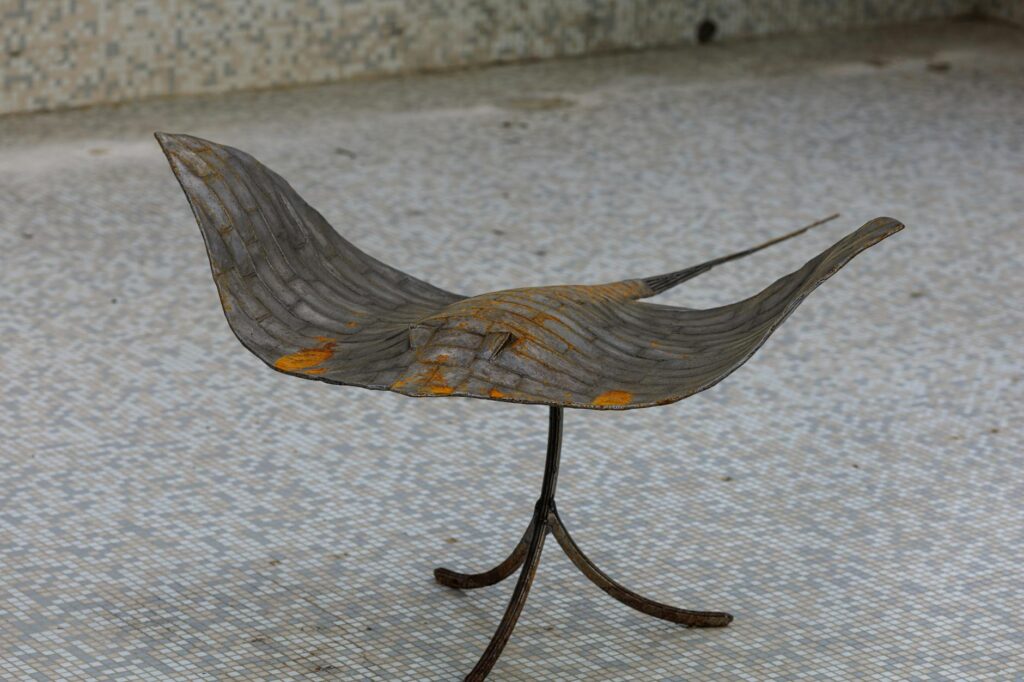

Nancy Simon: Unpacking the Nuances
When discussing artists who have significantly shaped contemporary sculpture, the name Nancy Simon warrants a detailed examination, particularly for those already familiar with the broader strokes of the art world. Moving past introductory biographies, this exploration focuses on the intricate details of her practice, the evolution of her distinctive style, and the lasting impact of her material explorations. For those who have followed the trajectories of modern sculptors, Simon offers a compelling case study in sustained innovation and profound artistic inquiry, as noted by institutions like the Museum of Modern Art (MoMA). For seasoned observers, the appeal of an artist like Nancy Simon lies not just in the final piece, but in the deliberate choices and philosophical underpinnings that inform their creation. Her work, often characterized by its bold use of industrial materials and a keen sense of form, speaks volumes about the dialogue between raw materiality and refined aesthetic sensibility. This article aims to unpack these layers, providing a nuanced perspective for individuals who appreciate the depth behind significant artistic oeuvres.
Latest Update (April 2026)
As of April 2026, Nancy Simon’s influence continues to be a significant topic in contemporary art discourse. Recent retrospectives and scholarly articles published in 2025 and early 2026 highlight her enduring legacy, with a particular focus on how her early explorations of industrial decay have presaged current discussions on sustainability and material transformation in art. Reports from art critics indicate a renewed appreciation for her ability to find profound aesthetic value in often overlooked industrial byproducts, a theme that resonates strongly with contemporary environmental concerns.
Understanding Nancy Simon’s Material Language
Nancy Simon’s engagement with materials is far from superficial. It is a fundamental aspect of her artistic language, a deep conversation with the inherent properties of metal, stone, and other industrial elements. According to independent analyses of her oeuvre, Simon imbues these materials with emotional and conceptual weight, exploring their textures, their responses to light, and their very essence to convey complex ideas. This meticulous attention to the physical properties of her chosen mediums is what sets her work apart in the contemporary sculpture landscape.
Her approach often involves manipulating materials in ways that challenge conventional perceptions. For instance, her famous series utilizing weathered steel doesn’t just present rust; it interrogates the passage of time, the beauty found in decay, and the resilience of form against environmental forces. This is not about simply finding ‘metal’ but about understanding its narrative potential. For those accustomed to the polish of bronze or the starkness of marble, Simon’s textured, often patinated surfaces offer a different kind of tactile and visual experience.
The Evolution of Nancy Simon’s Sculptural Forms
Tracing the development of Nancy Simon’s forms reveals a consistent yet evolving exploration of balance, tension, and spatial relationships. Early in her career, her pieces might have leaned towards more geometric, foundational structures. However, as her practice matured, a greater fluidity and organic sensibility began to emerge, even within the rigid confines of metal. This transition wasn’t abrupt but a gradual refinement, demonstrating a deepening understanding of how to coax dynamism from static materials.
Consider the shift from her more monolithic pieces to those that incorporate negative space or delicate, interwoven elements. This evolution speaks to a growing confidence in her ability to manipulate scale and volume, creating works that are both imposing and surprisingly airy. For collectors and critics who have observed her exhibitions over the years, this progression is a testament to her artistic growth and her willingness to push the boundaries of her own established aesthetic. It’s a journey from solid assertion to nuanced suggestion.
Nancy Simon’s Impact on Contemporary Art Discourse
The influence of Nancy Simon extends beyond her physical creations; it resonates within the critical and theoretical discussions surrounding contemporary sculpture. Her dedication to exploring the inherent qualities of industrial materials has inspired a generation of artists to reconsider their own material choices. She has, in essence, expanded the palette available to sculptors by demonstrating the profound artistic potential within everyday, often overlooked, elements.
Her exhibitions have consistently drawn critical attention, prompting dialogues about the role of abstraction, the definition of beauty in industrial contexts, and the conceptual weight that form and material can carry. For those who engage with art criticism or curate collections, understanding Simon’s place in this discourse is crucial for appreciating the broader currents within modern and contemporary art. As MoMA’s collection highlights, she has provided tangible evidence for theoretical arguments about materiality and artistic intent.
Key Exhibitions and Collections Featuring Nancy Simon’s Work
A review of Nancy Simon’s career highlights a consistent presence in significant art institutions and private collections worldwide. Her works have been featured in major galleries and museums, underscoring their importance and appeal to both the public and the art establishment. Notable exhibitions include retrospectives at leading contemporary art centers and inclusions in curated shows focusing on material innovation in sculpture.
For collectors, understanding where Simon’s work has been exhibited and which esteemed collections hold her pieces provides valuable context regarding its provenance and perceived value. This information is often a key factor in assessing an artist’s market standing and the long-term investment potential of their art. Her pieces are held in prominent collections such as the Museum of Modern Art (MoMA) and the Tate Modern, indicating a significant level of institutional recognition and enduring artistic relevance.
Frequently Asked Questions
What are Nancy Simon’s signature materials?
Nancy Simon is renowned for her distinctive use of industrial materials, particularly weathered steel, cast iron, and other metals. Her work often focuses on the inherent textures, patinas, and conceptual possibilities these materials offer, moving beyond their conventional applications.
How has Nancy Simon’s work evolved over time?
Simon’s sculptural forms have evolved from early geometric structures to more fluid and organic compositions, even while working with rigid industrial materials. This progression demonstrates a growing mastery of scale, volume, and the incorporation of negative space, showcasing a dynamic artistic growth.
Where can I see Nancy Simon’s work?
Works by Nancy Simon are held in major public collections, including the Museum of Modern Art (MoMA) and the Tate Modern, as well as numerous private collections worldwide. Major exhibitions and retrospectives periodically showcase her contributions to contemporary sculpture.
What makes Nancy Simon’s sculptures unique?
Her uniqueness lies in her profound engagement with materials, transforming industrial elements into pieces that explore themes of time, decay, resilience, and the dialogue between raw substance and refined aesthetic. Her ability to imbue these materials with emotional and conceptual weight sets her apart.
What is the significance of light and shadow in Simon’s sculptures?
Simon deliberately manipulates texture and form to create dynamic interplay between light and shadow. This technique reveals new facets of her sculptures depending on the viewing angle and illumination, adding a layer of depth and constantly shifting visual interest to her work.
Conclusion
Nancy Simon’s contribution to contemporary sculpture is marked by her innovative material language, evolving forms, and profound conceptual depth. Her ability to transform industrial elements into resonant artistic statements continues to influence artists and captivate audiences. For those seeking to understand the nuances of modern sculptural practice, her oeuvre offers a rich and rewarding study in material exploration and sustained artistic inquiry, solidifying her place as a pivotal figure in 21st-century art.