
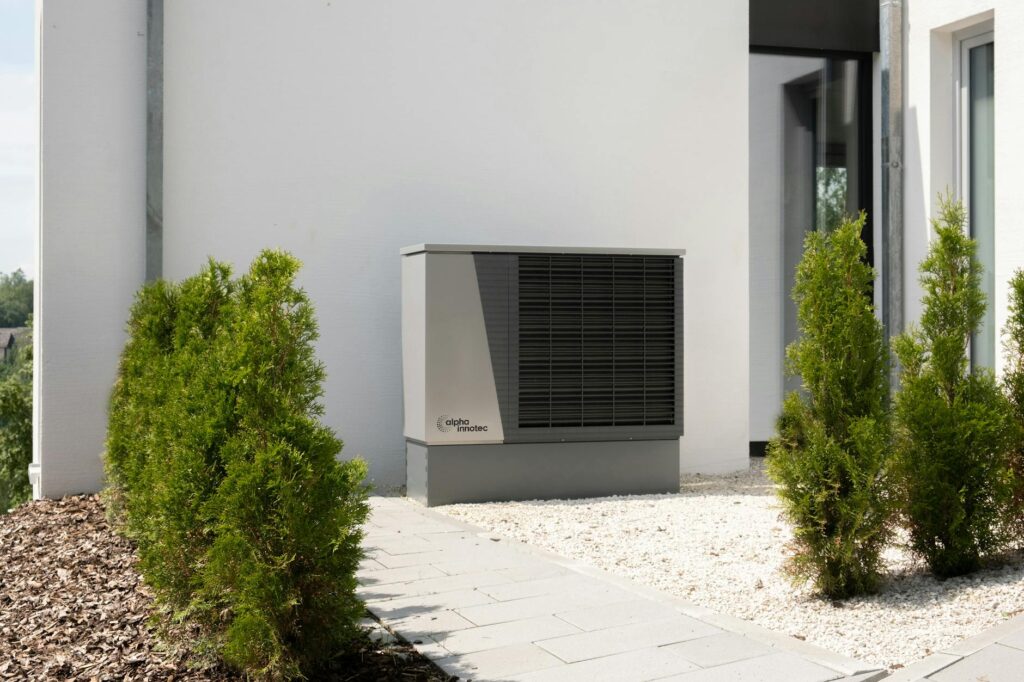
Air Source Heat Pump Servicing: Avoid Costly Mistakes
Getting your air source heat pump serviced regularly is the single best way to ensure it runs efficiently, reliably, and lasts for years. Think of it like taking your car for an annual MOT; without it, small issues can become big, expensive problems. This guide will walk you through what air source heat pump servicing really entails, common pitfalls to avoid, and how to keep your system in top shape, saving you money and keeping your home comfortable year-round.
Table of Contents
What Exactly is Air Source Heat Pump Servicing?
Air source heat pump servicing is a comprehensive check and maintenance process performed by a qualified technician. It involves inspecting all key components of your heat pump system to ensure they are functioning optimally, safely, and efficiently. This includes checking refrigerant levels, cleaning filters, inspecting electrical connections, ensuring proper airflow, and verifying the drainage system is clear. The goal is to identify and rectify potential issues before they lead to system failure or reduced performance.
Why is Regular Servicing So Important?
Regular air source heat pump servicing is vital for several reasons, directly impacting your comfort, energy bills, and the longevity of your investment. A well-maintained system operates at peak efficiency, meaning it uses less electricity to provide the same amount of heating or cooling. This translates into lower energy costs for your household. Furthermore, routine checks can catch minor problems early, preventing them from escalating into major, expensive repairs that could leave you without heating or cooling when you need it most. For instance, a technician might spot a minor refrigerant leak during a service, which, if left unattended, could lead to compressor failure.
Common Servicing Mistakes to Avoid
When it comes to air source heat pump servicing, several common mistakes can undermine the process and even cause harm. One of the most frequent errors is neglecting the service altogether, assuming the system will just keep running. Another mistake is hiring an unqualified individual. Heat pumps are complex systems, and improper servicing by someone without the right training, like a general plumber who doesn’t specialise in heat pumps, can lead to damage or incorrect adjustments. For example, overcharging or undercharging refrigerant can severely impact performance and damage the compressor.
A third common oversight is not cleaning or replacing filters regularly. While a professional service will check them, daily or weekly filter cleaning (depending on your model and environment) is a user responsibility that significantly impacts airflow and efficiency. Finally, ignoring warning signs like unusual noises, reduced heating/cooling output, or increased energy bills is a critical mistake. These are indicators that your system needs attention sooner rather than later.
DIY Checks vs. Professional Service
While professional servicing is essential, there are simple checks you can perform yourself to keep your air source heat pump running efficiently between professional appointments. Understanding the difference helps you manage your system effectively.
| DIY Checks (User) | Professional Service (Technician) |
|---|---|
| Visual inspection of the outdoor unit for debris (leaves, snow) | Comprehensive system diagnostics using specialized tools |
| Cleaning or replacing air filters (monthly/as needed) | Checking and topping up refrigerant levels |
| Ensuring the outdoor unit area is clear of obstructions | Inspecting and cleaning the condenser coils |
| Listening for unusual noises | Testing electrical connections and components |
| Checking the condensate drain line for blockages | Verifying thermostat calibration and settings |
| Monitoring energy bills for sudden increases | Lubricating moving parts (if applicable) |
| Checking fan motor operation and belt tension | |
| Assessing overall system performance and efficiency |
What to Expect During a Professional Service
A professional air source heat pump servicing appointment typically lasts between 1 to 2 hours. The technician will start by performing a visual inspection of both the indoor and outdoor units. They’ll check for any visible damage, corrosion, or refrigerant leaks. Next, they will clean the air filters and the condenser coils, which can become clogged with dirt and debris, significantly hindering heat exchange. The refrigerant levels will be checked and adjusted if necessary; this is a critical step for efficiency and preventing compressor damage. Electrical connections will be inspected for tightness and corrosion, and the fan motor will be checked for proper operation and lubrication.
The technician will also inspect the condensate drain line to ensure it’s clear and draining properly, preventing water damage. They’ll test the thermostat to confirm it’s accurately reading temperatures and controlling the system. Finally, they’ll run the system through a full heating and cooling cycle, monitoring its performance, energy consumption, and checking for any unusual sounds or vibrations. You should receive a report detailing the work done and any recommendations for future maintenance or repairs.
The Energy Saving Trust in the UK recommends regular maintenance for heat pumps to ensure they continue to operate efficiently, helping homeowners save money on energy bills and reduce their carbon footprint. [Source: Energy Saving Trust]
Finding a Qualified Technician
Choosing the right person for your air source heat pump servicing is paramount. Look for technicians who are certified by relevant industry bodies. In the UK, this often means being Gas Safe registered for certain aspects (though heat pumps don’t use gas, many HVAC technicians are dual-qualified) or holding specific F-Gas certification for handling refrigerants. Look for companies that specialize in heat pump installation and maintenance. Reading online reviews and asking for recommendations from neighbours or friends who have heat pumps can also be invaluable. Don’t hesitate to ask about their experience with your specific brand of heat pump, such as Mitsubishi Electric Ecodan or Daikin Altherma, as different models may have unique servicing requirements.
Optimizing Your Heat Pump Between Services
While professional servicing is key, you can take steps between appointments to ensure your air source heat pump operates at its best. Regularly cleaning or replacing the air filters is the most impactful DIY task. Dirty filters restrict airflow, making the system work harder and less efficiently. Depending on your home environment (pets, dust), this might need doing monthly. Ensure the outdoor unit remains clear of obstructions like overgrown plants, leaves, or snow. Good airflow around the unit is crucial for efficient heat exchange. Also, be mindful of your thermostat settings. Avoid drastic temperature changes; gradual adjustments help the system run more smoothly and efficiently. If you notice any unusual sounds, smells, or performance issues, don’t wait for your scheduled service – book an inspection immediately.
Frequently Asked Questions
How often should I get my air source heat pump serviced?
Most manufacturers recommend annual air source heat pump servicing to ensure optimal performance and maintain warranty coverage. Some systems in harsher climates or with heavy usage might benefit from semi-annual checks. Always consult your system’s manual or manufacturer for specific recommendations.
What happens if I don’t service my air source heat pump?
Neglecting air source heat pump servicing can lead to decreased efficiency, higher energy bills, premature wear on components, and potential system breakdowns. Minor issues can escalate into costly repairs, and your warranty may be voided.
Can I service my air source heat pump myself?
While you can perform basic maintenance like cleaning or replacing filters and keeping the outdoor unit clear, complex servicing tasks such as checking refrigerant levels or electrical components require a qualified technician. Attempting these yourself can be dangerous and damage the system.
How much does air source heat pump servicing cost?
The cost of air source heat pump servicing can vary depending on your location, the technician’s rates, and the complexity of the service. Expect to pay anywhere from £100 to £300 for a standard annual service. It’s a worthwhile investment compared to potential repair costs.
What are the signs my heat pump needs servicing?
Signs include unusual noises (grinding, rattling), reduced heating or cooling output, longer run times, higher energy bills than usual, strange smells, or the system not reaching the set temperature. These indicate a need for professional attention.
Keep Your Heat Pump Running Smoothly
Prioritizing regular air source heat pump servicing is not just a recommendation; it’s a necessity for efficient, cost-effective, and reliable home comfort. By understanding what’s involved, avoiding common mistakes, performing simple DIY checks, and engaging qualified professionals like those from Which?, you protect your investment and ensure your system performs optimally for years to come.