
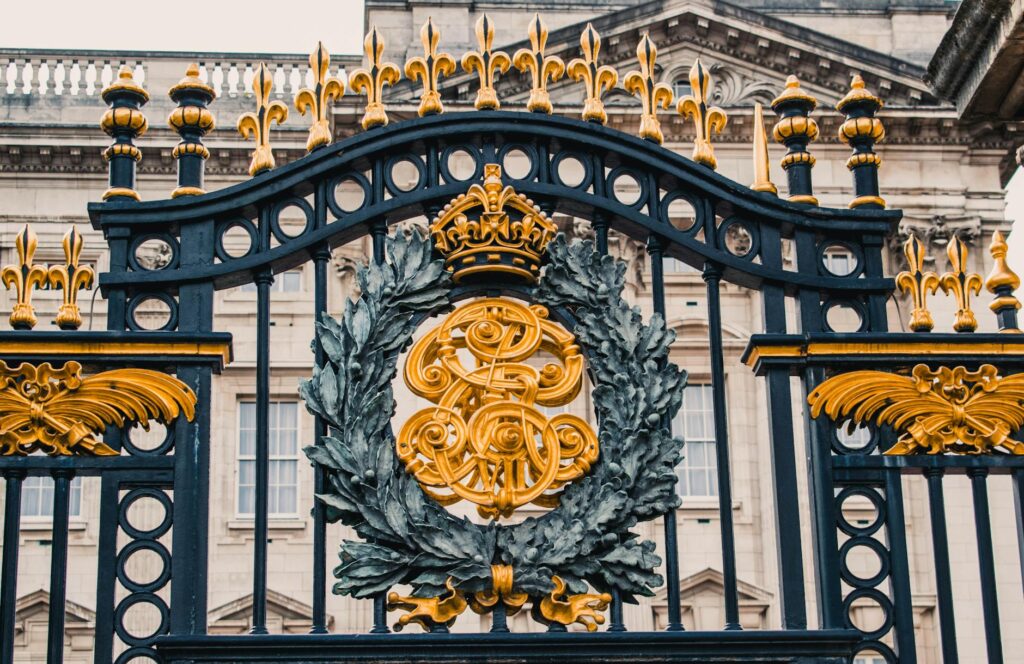
British Royal Family Net Worth: The Real Figures
The British Royal Family’s net worth is a topic of perennial fascination, blending public funding with vast private assets. While exact figures are notoriously difficult to pin down, a comprehensive analysis reveals a multi-billion-pound fortune accumulated over centuries, making them one of the wealthiest families globally. Understanding this wealth involves looking beyond simple personal fortunes to the complex structure of their holdings, from state-owned entities to private estates.
Table of Contents
- What is the British Royal Family’s Net Worth?
- How is the British Royal Family’s Net Worth Structured?
- What are the Major Assets Contributing to Royal Wealth?
- Who Owns the Crown Estate, and What’s Its Value?
- How Much Do the Royals Cost the Taxpayer?
- Are Royal Inheritances Taxed?
- Frequently Asked Questions
What is the British Royal Family’s Net Worth?
Estimating the British Royal Family’s net worth is a complex endeavor, but combined figures often place their total wealth in the range of £20 billion to £30 billion. This vast sum encompasses not only personal fortunes but also publicly held assets managed by the Crown and private estates. The majority of this wealth is tied up in assets that are not personally owned by individual royals but are held in trust for the nation or managed by specific entities.
The most recent comprehensive estimates, such as those compiled by Forbes and other financial analysts, suggest that the total value of the Crown Estate, royal palaces, art, and jewelry, combined with private holdings, reaches staggering figures. For instance, the Crown Estate alone is valued at over £16 billion, though its profits are surrendered to the Treasury. This intricate financial structure means that while the family presides over immense wealth, much of it isn’t liquid personal property.
How is the British Royal Family’s Net Worth Structured?
The British Royal Family’s net worth is primarily structured across three main categories: the Sovereign Grant, private estates, and personal investments/assets. Each component plays a distinct role in maintaining the monarchy’s financial standing and operational capacity. It’s crucial to differentiate between what is held for public benefit and what is considered private.
The Sovereign Grant is the most significant public funding mechanism, derived from the profits of the Crown Estate. This grant covers official duties, staff costs, and the upkeep of royal palaces like Buckingham Palace and Windsor Castle. Beyond this, individual royals own private properties such as Balmoral Castle and Sandringham House, which are managed and maintained at their own expense, though their historical and cultural significance is immense.
What are the Major Assets Contributing to Royal Wealth?
Several key assets contribute significantly to the overall wealth associated with the British Royal Family. These range from vast landholdings and iconic buildings to priceless art collections and historic jewels. These holdings are often what capture the public’s imagination when discussing royal affluence.
The most substantial assets include the Crown Estate, Buckingham Palace, Windsor Castle, the Royal Art Collection, and the Royal Family’s private estates like Balmoral and Sandringham. The Crown Estate, though managed independently, generates billions in revenue from its diverse portfolio of commercial properties, agricultural land, and offshore wind farms. The Royal Art Collection, featuring masterpieces from artists like Rembrandt and Vermeer, is considered one of the world’s finest private collections, though it’s held in trust for the nation.
Who Owns the Crown Estate, and What’s Its Value?
The Crown Estate is not owned by the reigning monarch personally, but rather by the ‘Crown’ as an institution. Its profits are surrendered to the UK Treasury, and in return, the monarch receives the Sovereign Grant to fund their official duties. This arrangement has been in place since 1760. The Crown Estate is one of the largest and most diverse property owners in the United Kingdom.
As of recent valuations, the Crown Estate is worth over £16 billion. Its portfolio includes prime retail locations in London’s West End, vast agricultural land, significant forestry holdings, and a substantial stake in offshore wind farms. The management of these assets is overseen by The Crown Estate Commissioners, an independent body, ensuring its commercial viability and contribution to the public finances.
The Crown Estate’s net assets were valued at £16.1 billion as of March 31, 2023, a significant increase driven by strong performance in its retail, urban, and energy, cables and pipelines portfolios. (Source: The Crown Estate Annual Report 2023)
How Much Do the Royals Cost the Taxpayer?
The cost to the taxpayer is primarily covered by the Sovereign Grant, which is 25% of the Crown Estate’s profits from two years prior. In the financial year 2022-23, the Sovereign Grant amounted to £86.3 million. This figure covers a wide range of expenses, including royal travel, palace maintenance, and staff salaries.
While the Sovereign Grant represents a direct cost, it’s important to consider the economic benefits the monarchy brings through tourism and national branding. The upkeep of royal residences, such as Buckingham Palace and Windsor Castle, also involves significant expenditure, but these are national heritage sites. The actual personal expenses of the Royal Family, outside of official duties, are largely met from their private wealth, particularly from the Duchy of Lancaster and the Duchy of Cornwall.
Are Royal Inheritances Taxed?
The rules surrounding inheritance tax for the British Royal Family are unique. Historically, assets passed between the monarch and their spouse have been exempt from inheritance tax. This exemption ensures that the Crown’s assets remain within the institution and are not diminished by tax liabilities upon the death of a sovereign.
However, this exemption does not apply to all assets or all royals. For instance, private inheritances from one royal to another, or to descendants outside the direct line of succession, may be subject to inheritance tax, similar to any other UK citizen. King Charles III, for example, inherited private estates like Balmoral and Sandringham from his mother, Queen Elizabeth II, and these would have been subject to the standard inheritance tax rules if not for specific exemptions or trusts. The Duchy of Cornwall, which passed to Prince William upon King Charles’s accession, is also subject to specific tax treatments.
| Asset Type | Estimated Value | Ownership/Management |
|---|---|---|
| Crown Estate | £16.1 billion+ | Held by the Crown, managed by Commissioners, profits to Treasury |
| Royal Art Collection | Priceless (estimated billions) | Held in trust for the nation |
| Private Estates (Balmoral, Sandringham) | Billions (individually valuable) | Privately owned by the monarch/family |
| Royal Palaces (Buckingham, Windsor) | Billions (cultural value immense) | Held by the Crown for official use |
| Jewels, Art, Antiques | Billions | Held in trust for the nation |
Frequently Asked Questions
What is the estimated total net worth of the British Royal Family?
The estimated total net worth of the British Royal Family is often cited between £20 billion and £30 billion, encompassing public and private assets managed over centuries. This figure is a complex aggregation of vast holdings, including the Crown Estate, royal palaces, and private estates.
Does the King personally own the Crown Estate?
No, the King does not personally own the Crown Estate. It is held by the reigning monarch in right of the Crown, meaning it belongs to the institution of the monarchy, not the individual. Its profits are surrendered to the Treasury, and the monarch receives the Sovereign Grant in return.
How is the Sovereign Grant funded?
The Sovereign Grant is funded by a percentage of the profits generated by the Crown Estate. Currently, it is set at 25% of the Crown Estate’s net profits from two years prior, providing a significant budget for royal duties and palace upkeep.
What are the most valuable private assets of the Royal Family?
The most valuable private assets include the extensive private estates of Balmoral Castle in Scotland and Sandringham House in Norfolk. These properties, along with their lands and contents, represent significant personal wealth for the monarch and their direct family.
Does the public pay for the Royal Family’s personal expenses?
The Sovereign Grant covers official duties, travel, and the upkeep of occupied royal palaces. Personal expenses beyond these official functions are generally met from private funds, such as income from the Duchy of Lancaster and the Duchy of Cornwall.
Understanding the british royal family net worth requires looking beyond simple monetary figures to appreciate the complex interplay of public duty, private ownership, and historical legacy. While the exact valuation remains elusive, the collective assets managed and presided over by the monarchy represent a significant and enduring part of the United Kingdom’s heritage and financial landscape. To truly grasp their financial standing, one must differentiate between state-held assets and personal fortunes, appreciating the unique structure that supports the Crown.