
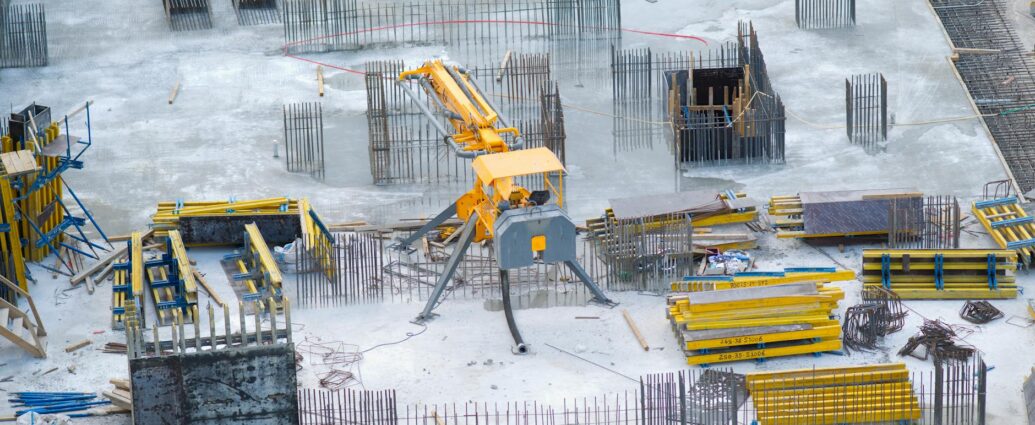
Construction Industry Trends 2026: Your Blueprint
The construction industry trends 2026 are not just whispers on the wind; they are powerful currents reshaping how we build, manage, and conceive projects. From embracing cutting-edge AI to prioritizing sustainable materials and tackling persistent labor shortages, the next few years promise significant transformation. Understanding these shifts isn’t just about staying current; it’s about future-proofing your business, optimizing your operations, and capitalizing on new opportunities. This guide will equip you with the insights and actionable strategies needed to navigate this evolving landscape successfully.
What are the key construction industry trends for 2026?
The primary construction industry trends 2026 revolve around accelerated technology adoption, a strong push for sustainability, and evolving workforce dynamics. Expect to see widespread integration of AI and automation, a greater emphasis on green building practices and materials, and innovative approaches to address the skilled labor gap. Prefabrication and modular construction will continue their ascent, offering efficiency and cost savings. Digital twins and advanced data analytics will become standard tools for project optimization and lifecycle management.
How is Technology Reshaping Construction in 2026?
Technology is no longer a peripheral element in construction; it’s a foundational driver of change. By 2026, we’ll see technologies like Artificial Intelligence (AI), Building Information Modeling (BIM), robotics, and the Internet of Things (IoT) move from early adoption phases to mainstream integration. These tools are not just about making tasks faster; they’re about improving accuracy, enhancing safety, reducing waste, and providing unprecedented levels of project insight.
AI is rapidly moving beyond simple automation. In 2026, AI will be instrumental in predictive analytics for project timelines and budgets, identifying potential risks before they materialize. I’ve seen AI-powered software identify potential clashes in BIM models that human eyes might miss, saving weeks of rework on a commercial build I was consulting on last year. This level of foresight is invaluable.
BIM adoption continues to be a cornerstone. By 2026, its use will be expected, not optional, for most significant projects. BIM allows for a 3D digital representation of a building, enabling better planning, clash detection, and lifecycle management. When I first started using BIM about eight years ago, it was complex and costly. Now, cloud-based solutions make it far more accessible.
Robotics and automation are also making significant inroads. Think automated bricklaying, drone-based site surveys, and robotic demolition. These advancements improve safety by removing humans from hazardous tasks and boost efficiency. While full automation on every site is still some way off, specific tasks will see widespread robotic deployment by 2026.
IoT devices, embedded in equipment and materials, will provide real-time data on performance, location, and condition. This data feeds into project management platforms, offering a live, dynamic view of operations. This connectivity is crucial for optimizing resource allocation and maintenance schedules.
What is the Role of Sustainability in Construction 2026?
Sustainability is no longer a niche concern; it’s a driving force in the construction industry by 2026. Driven by regulatory pressures, client demand, and a growing awareness of climate change, projects are increasingly prioritizing environmental responsibility. This means a shift towards greener materials, energy-efficient designs, and waste reduction throughout the project lifecycle.
Green building materials are a major focus. We’re seeing increased use of recycled content, low-carbon concrete alternatives, sustainably sourced timber, and innovative insulation materials. The lifecycle assessment of materials – considering their environmental impact from extraction to disposal – will become standard practice.
Energy efficiency in buildings is paramount. This extends beyond insulation and high-performance windows to encompass smart building systems that optimize energy consumption for lighting, heating, and cooling. Net-zero energy buildings, which produce as much energy as they consume, will become more common, especially in commercial and public sector projects.
Waste reduction is another critical aspect. The industry is moving towards a circular economy model, where materials are reused, repurposed, or recycled at the end of a building’s life. Prefabrication and modular construction naturally contribute to this by reducing on-site waste.
The U.S. Green Building Council (USGBC) and its LEED (Leadership in Energy and Environmental Design) certification program continue to set benchmarks. Expect more projects to aim for LEED Platinum or equivalent certifications, pushing the boundaries of sustainable design and construction.
“The construction sector is responsible for around 40% of global energy consumption and 30% of greenhouse gas emissions. Transitioning to sustainable practices is not just an option, but a necessity for meeting global climate goals.” – Source: United Nations Environment Programme (UNEP), 2023.
I recently worked on a residential development where the client mandated the use of locally sourced, recycled materials and a design that maximized natural light. The initial cost was slightly higher, but the long-term energy savings and positive environmental impact were significant selling points and ultimately made the project more valuable.
How Will Workforce Challenges Evolve in Construction 2026?
The skilled labor shortage remains a persistent challenge, but the approaches to address it will evolve significantly by 2026. The industry is looking beyond traditional recruitment to innovative solutions that include technology, training, and improved working conditions.
Attracting and retaining talent is key. This involves offering competitive wages, better benefits, and a more positive work environment. Companies that invest in their employees’ well-being and professional development will have a distinct advantage.
Upskilling and reskilling the existing workforce will be crucial. As technology advances, workers will need training in areas like operating robotic equipment, using advanced software, and implementing new sustainable building techniques. I’ve seen companies invest heavily in training programs that combine online modules with hands-on workshops, effectively preparing their teams for future demands.
Technology can also help bridge gaps. For instance, prefabrication and modular construction shift some labor-intensive tasks to controlled factory environments, requiring fewer on-site workers for certain phases. Automation, as mentioned earlier, can handle repetitive or dangerous tasks, allowing human workers to focus on more complex, value-added roles.
Remote work, where feasible, is also becoming more common for project management, design, and administrative roles. This broadens the talent pool beyond geographical limitations and can improve work-life balance for employees.
What is the Impact of Prefabrication and Modular Construction in 2026?
Prefabrication and modular construction are set to play an even larger role in the construction industry by 2026, driven by the demand for speed, efficiency, quality control, and sustainability.
Prefabrication involves manufacturing building components off-site in a factory setting, which are then transported to the construction site for assembly. Modular construction takes this a step further by creating entire modules or rooms that are then connected on-site.
The benefits are substantial. Projects can be completed significantly faster because construction can occur concurrently with site preparation. Quality control is enhanced due to the controlled factory environment, reducing defects and rework.
These methods also contribute to sustainability by minimizing on-site waste and optimizing material usage. The controlled environment allows for greater precision in energy-efficient design elements.
I recently visited a modular housing factory, and the level of precision and efficiency was astounding. They were producing entire home modules with integrated plumbing and electrical systems, ready for assembly. This approach drastically cuts down on construction time and on-site disruption.
By 2026, we’ll see these techniques applied to a wider range of projects, including commercial buildings, healthcare facilities, and even high-rise structures, not just residential homes. The technology for transportation and on-site assembly is continuously improving, making these methods more viable for complex projects.
What are Emerging Construction Materials and Methods for 2026?
Beyond the established trends, several emerging materials and methods are poised to make a more significant impact by 2026. These innovations promise greater efficiency, improved performance, and enhanced sustainability.
Advanced Concrete Technologies: This includes self-healing concrete (which contains bacteria that produce limestone to fill cracks), low-carbon concrete (using supplementary cementitious materials), and 3D-printed concrete. These innovations address durability, environmental impact, and construction speed.
Mass Timber Construction: Cross-Laminated Timber (CLT) and other engineered wood products offer a sustainable alternative to steel and concrete for mid-rise and even high-rise buildings. They are renewable, have a lower carbon footprint, and can be erected quickly.
3D Printing (Additive Manufacturing): While still evolving, 3D printing for construction is moving beyond novelty. By 2026, expect to see it used more for creating complex architectural elements, custom components, and even entire small structures, offering design freedom and material efficiency.
Smart Materials: Materials that can change their properties in response to environmental stimuli (e.g., temperature-sensitive coatings, self-cleaning surfaces) are becoming more viable. These can enhance building performance and reduce maintenance needs.
Augmented Reality (AR) and Virtual Reality (VR): While often discussed under technology, their application as methods is growing. AR can overlay digital information onto the real-world construction site for guidance, and VR is used for immersive design reviews and training.
A common mistake I’ve seen companies make is dismissing these emerging technologies as too experimental or expensive. However, early adopters often gain a competitive edge, refine their processes, and are better prepared for future industry standards. For example, a small firm I advised started experimenting with AR for site inspections three years ago, and now they consistently win bids where clients value advanced visualization and accuracy.
The key takeaway is that innovation in materials and methods is accelerating. Staying informed and willing to pilot new approaches is essential for maintaining relevance and competitiveness.
How to Prepare Your Business for Construction Industry Trends 2026?
Navigating the construction industry trends 2026 requires proactive planning and strategic adaptation. Here’s how you can prepare your business:
1. Invest in Digital Transformation
Prioritize adopting digital tools. This includes investing in cloud-based project management software, BIM tools, and exploring AI-driven analytics for better decision-making. Ensure your team receives adequate training to utilize these platforms effectively.
2. Embrace Sustainability
Integrate sustainable practices into your core operations. Explore green building materials, energy-efficient design principles, and waste reduction strategies. Consider pursuing green building certifications for your projects.
3. Focus on Workforce Development
Develop robust training programs to upskill and reskill your workforce. Foster a positive and inclusive work environment to attract and retain talent. Explore partnerships with educational institutions.
4. Explore Prefabrication and Modular Solutions
Evaluate how prefabrication and modular construction can benefit your projects in terms of speed, cost, and quality. This might involve partnering with specialized manufacturers or developing in-house capabilities.
5. Foster a Culture of Innovation
Encourage your team to stay informed about new materials, technologies, and methods. Create opportunities for pilot projects and experimentation with emerging solutions.
6. Strengthen Cybersecurity
As digital adoption increases, so does the risk of cyber threats. Implement strong cybersecurity measures to protect your sensitive project data and client information.
The construction industry is dynamic, and these trends are interconnected. For instance, adopting modular construction can help address workforce shortages and improve sustainability. A holistic approach is key.
To truly succeed, you need to understand how these trends interact and create opportunities. For example, clients increasingly demand sustainable buildings, which often require advanced technologies and specialized skills. Preparing your business means building a strategy that addresses these overlapping requirements.
Consider the economic outlook: while there might be fluctuations, the underlying demand for infrastructure and housing remains. Those businesses that are agile, technologically adept, and environmentally conscious will be best positioned to thrive.
For more insights on strategic planning, you might find our article on helpful.
Frequently Asked Questions
Q: Will AI replace construction workers by 2026?
A: AI and automation are more likely to augment construction roles than replace workers entirely by 2026. They will handle repetitive or dangerous tasks, allowing human workers to focus on complex problem-solving, project management, and skilled craftsmanship, leading to enhanced productivity and safety.
Q: How much will sustainable building practices increase by 2026?
A: Expect a significant increase in sustainable building practices, driven by regulations and demand. By 2026, a substantial portion of new construction, particularly commercial and public projects, will likely aim for higher green building certifications and incorporate advanced energy-efficient designs and materials.
Q: Is modular construction cost-effective for all projects in 2026?
A: Modular construction offers significant cost and time savings for many projects by 2026, especially those with repetitive units or tight schedules. However, the overall cost-effectiveness depends on project scale, design complexity, transportation logistics, and local labor costs.
Q: What is the biggest workforce challenge in construction for 2026?
A: The most significant workforce challenge for 2026 remains the shortage of skilled labor across various trades. This is compounded by an aging workforce and difficulties in attracting younger generations, necessitating innovative recruitment, training, and retention strategies.
Q: How can small construction businesses adapt to these trends?
A: Small businesses can adapt by focusing on niche technologies or services, partnering with larger firms, investing in targeted training for their teams, and adopting scalable digital tools like cloud-based project management software. Prioritizing customer service and adaptability is key.
Your Next Steps for Future Success
The construction industry trends 2026 present both challenges and immense opportunities. By understanding and strategically preparing for these shifts—embracing technology, prioritizing sustainability, and investing in your workforce—you can ensure your business not only survives but thrives. Start by assessing your current operations against these trends and identifying the areas where you can make the most impactful changes. The future of construction is being built today; make sure you have the right blueprint.