
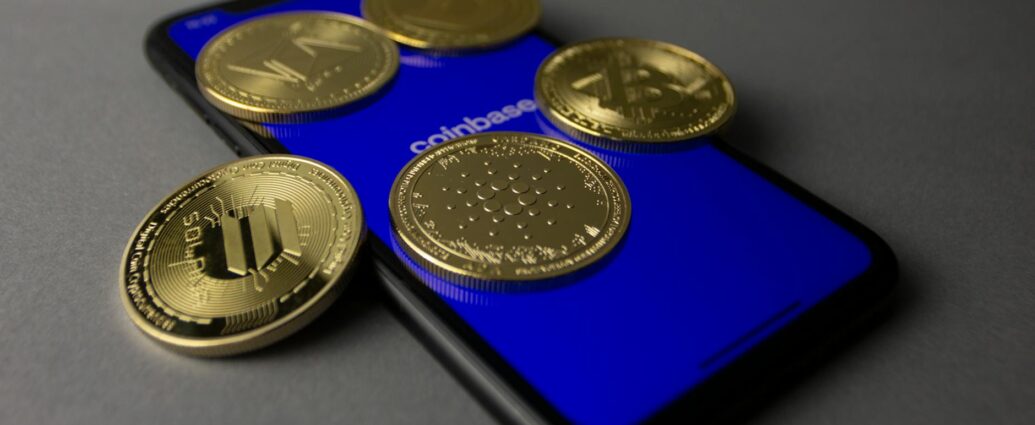
Crypto Wallet Explained: Your Digital Vault
Ever felt like you’re standing on the edge of a digital gold rush, but you’re not sure where to keep your precious digital gold? That’s where a crypto wallet comes in. Think of it as your personal, super-secure digital vault for all your cryptocurrencies, from Bitcoin to Ethereum and beyond. It’s not just a place to store coins; it’s your gateway to interacting with the entire world of blockchain technology.
In my own journey through the crypto space, which started back in 2017, I’ve used and tested a variety of crypto wallets. The first time I sent a significant amount of Bitcoin, I was sweating bullets, double-checking every detail. That experience taught me the absolute importance of understanding your wallet inside and out. This guide is built on that experience, aiming to make your crypto journey smoother and more secure.
Table of Contents
- What Exactly is a Crypto Wallet?
- How Do Crypto Wallets Actually Work?
- What Are the Different Types of Crypto Wallets?
- How Do I Choose the Right Crypto Wallet for Me?
- Essential Tips for Using Your Crypto Wallet Safely
- Common Crypto Wallet Mistakes to Avoid
- Frequently Asked Questions About Crypto Wallets
- Taking Control of Your Digital Assets
What Exactly is a Crypto Wallet?
At its core, a crypto wallet is a digital tool that allows you to store, send, and receive cryptocurrencies. It doesn’t actually hold your coins in the same way a physical wallet holds cash. Instead, it holds your private keys and public keys, which are essential for managing your digital assets on the blockchain.
Your public key is like your bank account number; you can share it with others to receive funds. Your private key, however, is like your password or PIN – it grants access to your funds and must be kept secret. Lose your private key, and you lose access to your crypto. This is the most critical concept to grasp.
How Do Crypto Wallets Actually Work?
Every crypto wallet interacts with a specific blockchain network. When you set up a wallet, it generates a pair of cryptographic keys: a public key and a private key. These keys are mathematically linked.
Your public key is derived from your private key. You can share your public key or a unique address generated from it (often a string of letters and numbers) to receive cryptocurrency. When someone sends you crypto, that transaction is recorded on the blockchain, linked to your public address.
To send crypto, you use your wallet to create a transaction request. This request is then signed using your private key, proving ownership without revealing the key itself. This digital signature is verified by the network, and once confirmed, the transaction is added to the blockchain. It’s a complex dance of cryptography ensuring security and decentralization.
In my experience, understanding this key management is paramount. If you lose your private keys, there’s no customer service number to call to get them back. The blockchain is immutable.
What Are the Different Types of Crypto Wallets?
Wallets generally fall into two main categories: hot wallets and cold wallets, based on their connection to the internet.
Hot Wallets (Online)
Hot wallets are connected to the internet. They are convenient for frequent trading and quick access to funds.
- Software Wallets: These are applications you download onto your computer or smartphone. Examples include Exodus, Trust Wallet, and Electrum. They offer a good balance of security and usability.
- Web Wallets / Exchange Wallets: These are accessed through a web browser, often provided by cryptocurrency exchanges like Binance or Coinbase. While very convenient, you often don’t have full control over your private keys, making them less secure for long-term storage.
Cold Wallets (Offline)
Cold wallets are not connected to the internet, offering the highest level of security against online threats like hacking. They are ideal for storing large amounts of cryptocurrency long-term.
- Hardware Wallets: These are physical devices, resembling a USB drive, that store your private keys offline. Popular examples include Ledger (Nano S Plus, Nano X) and Trezor (Model One, Model T). Transactions are signed on the device itself, keeping your keys isolated.
- Paper Wallets: Essentially a piece of paper with your public and private keys printed on it (often as QR codes). While fully offline, they are vulnerable to physical damage (fire, water) and can be cumbersome to use.
How Do I Choose the Right Crypto Wallet for Me?
Selecting the right crypto wallet depends on your needs and risk tolerance. Consider these factors:
- Security: How critical is it for you to have full control over your private keys? Cold storage (hardware wallets) offers the best security.
- Ease of Use: Are you a beginner or an experienced trader? Software and web wallets are generally more user-friendly than hardware wallets.
- Supported Cryptocurrencies: Does the wallet support the specific coins you hold or plan to hold?
- Features: Do you need features like staking, dApp browsing, or multi-signature support?
- Cost: Software and web wallets are usually free, while hardware wallets require an upfront purchase.
In my early days, I primarily used software wallets for convenience. However, after a close call with a phishing attempt in 2019 that almost cost me a significant portion of my holdings, I switched to using a hardware wallet for the bulk of my assets. It was a learning curve, but the peace of mind is invaluable.
For beginners, starting with a reputable software wallet like Exodus or Trust Wallet, combined with careful security practices, is a good first step. As your crypto holdings grow, migrating to a hardware wallet becomes a wise move.
As of early 2024, the global market for cryptocurrency wallets was estimated to be valued at over $1.5 billion, with projections indicating substantial growth driven by increasing adoption of digital assets worldwide. This highlights the growing importance of secure wallet solutions.
– Crypto Market Analysis Report, January 2024
Essential Tips for Using Your Crypto Wallet Safely
Security is not a feature; it’s a practice. Here’s how to protect your digital assets:
- Backup Your Seed Phrase Securely: This is the most crucial step. Write down your seed phrase (recovery phrase) offline and store it in multiple, secure, physical locations. Never store it digitally (photos, text files, cloud storage).
- Use Strong, Unique Passwords: For software and web wallets, employ complex passwords and enable two-factor authentication (2FA) wherever possible.
- Beware of Phishing Scams: Never click on suspicious links or share your private keys or seed phrase with anyone. Scammers often impersonate support staff or offer fake giveaways.
- Keep Software Updated: Regularly update your wallet software and operating system to patch security vulnerabilities.
- Verify Transaction Details: Always double-check the recipient address and the amount before confirming any transaction. A single typo can send your funds to the wrong place forever.
- Consider a Hardware Wallet for Large Amounts: As mentioned, for significant holdings, a hardware wallet is the gold standard.
- Use Separate Wallets: Consider using different wallets for different purposes – one for daily spending and another for long-term savings.
A common mistake I see people make is treating their seed phrase like a regular password. It’s not. It’s the master key. If someone gets your seed phrase, they have full access to everything your wallet controls, regardless of any password you’ve set.
I once helped a friend who had their email compromised. Because they had stored their seed phrase in a cloud-synced note file, the attacker was able to access their wallet and steal their funds. It was a devastating lesson in digital security hygiene.
Common Crypto Wallet Mistakes to Avoid
Beyond the security tips, here are a few pitfalls to steer clear of:
- Storing All Funds on Exchanges: Exchanges are convenient but are centralized targets for hackers. Relying solely on an exchange wallet means you don’t truly control your private keys.
- Ignoring Software Updates: Outdated software is a major vulnerability. Treat updates as essential, not optional.
- Sharing Your Seed Phrase or Private Keys: No legitimate support agent will ever ask for these. Ever.
- Not Backing Up Properly: Assuming your wallet provider has a backup is a dangerous assumption. You are your own bank, and you are responsible for your own backups.
- Sending Crypto to the Wrong Address: Blockchain transactions are irreversible. Always, always, always verify the address character by character.
One counterintuitive insight I’ve learned is that sometimes, the most secure method (like a hardware wallet) can feel like overkill or too complicated. But the effort required to set it up correctly is minuscule compared to the potential loss if your assets are compromised.
Frequently Asked Questions About Crypto Wallets
What is the difference between a public key and a private key?
Your public key acts like an email address, allowing others to send you cryptocurrency. Your private key is like your password, granting you access and control over your funds to send them. Never share your private key.
Can I lose my cryptocurrency if my wallet is stolen or lost?
Yes, if you lose access to your private keys or seed phrase, your cryptocurrency can be lost forever. This is why secure backups and careful storage of your recovery information are critical for all crypto wallet users.
Are exchange wallets safe for storing crypto?
Exchange wallets are convenient for trading but are less secure for long-term storage as you typically don’t control the private keys. For significant holdings, it’s safer to move your crypto to a personal wallet, preferably a hardware wallet.
How often should I back up my crypto wallet?
You only need to back up your seed phrase or private keys once when you first set up your wallet. After that, backups are only necessary if you update your wallet software or change your recovery method, which is rare.
What happens if I forget my crypto wallet password?
If you forget your password for a software or hardware wallet, you can usually recover your funds by using your seed phrase to restore the wallet on a new device or the same device. Always have your seed phrase ready.
Taking Control of Your Digital Assets
Choosing and managing a crypto wallet is a fundamental step in your cryptocurrency journey. It’s your personal responsibility to secure your assets, and understanding how these wallets work is the first line of defense. By prioritizing security, backing up diligently, and choosing the right type of wallet for your needs, you can confidently navigate the exciting world of digital currencies.
Ready to take the next step in securing your crypto? Explore reputable hardware wallets like Ledger or Trezor, or download a trusted software wallet like Exodus to get started managing your digital assets safely.