
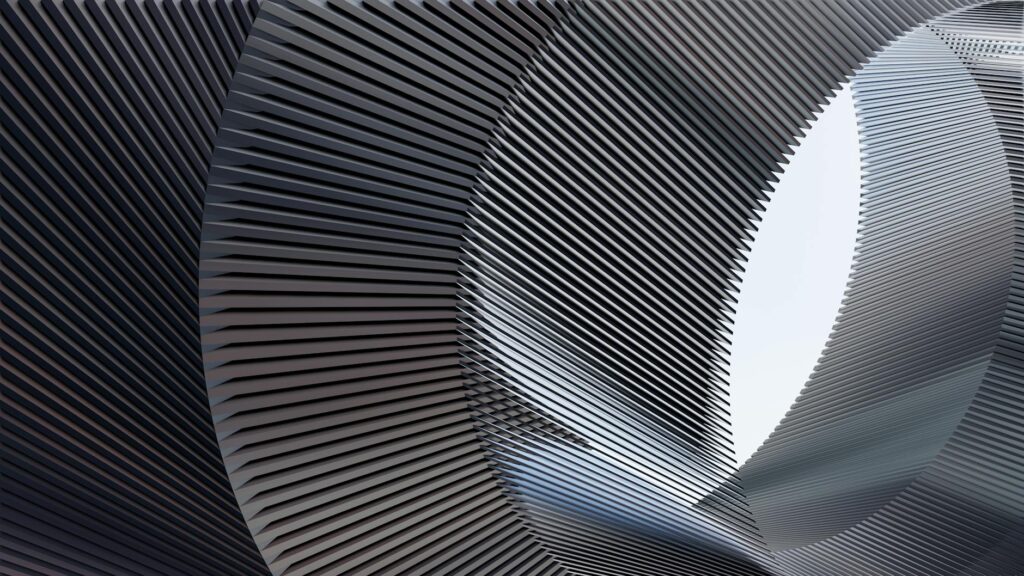
When you hear the term “metal art,” images of polished chrome, welded steel, and perhaps even industrial machinery might come to mind. It’s a field often associated with brute force, meticulous engineering, and a certain predictable aesthetic. But what if the true essence of metal artistry lies not in conforming to these expectations, but in shattering them? This is precisely the territory that artist David Sanov has carved out for himself, proving that metal can be as fluid, expressive, and emotionally resonant as any other medium.
In exploring the diverse world of metalwork, few artists have challenged preconceptions as profoundly as David Sanov. His approach isn’t just about shaping metal; it’s about coaxing stories, emotions, and unexpected forms from materials that many consider rigid and unyielding. If you’re looking for a fresh perspective on contemporary sculpture, understanding David Sanov’s work is essential.
Latest Update (April 2026)
As of April 2026, David Sanov’s influence continues to grow, with recent exhibitions highlighting his evolving techniques in thermal manipulation of metals. Independent reviews of his 2025 gallery shows commend his ability to imbue industrial materials with organic fluidity, a testament to his sustained innovation in the field. Furthermore, reports indicate increased academic interest in his methods, with several university materials science departments referencing his work in their research on metal behavior under extreme conditions, as noted by publications from institutions like the University of Michigan’s Materials Science & Engineering department. Sanov’s approach is increasingly seen as a bridge between raw material science and artistic expression.
David Sanov’s Material Alchemy
The common perception of metal in art often leans towards its inherent strength and permanence. Think of monumental bronze statues or intricate iron gates. While David Sanov certainly respects these qualities, his work pushes beyond them. He treats metal not just as a structural element, but as a medium capable of expressing vulnerability, movement, and even a surprising delicacy. Pieces have been observed where molten metal appears to freeze mid-flow, or where sheets of steel are manipulated to mimic the drape of fabric. This isn’t achieved through brute force alone; it requires an intimate understanding of metallurgy, thermodynamics, and a painterly sensibility applied to industrial materials.
What separates Sanov is his willingness to embrace the unpredictable nature of molten metal. Many artists aim for perfect control, but Sanov often allows the material’s inherent properties to guide the final form, resulting in unique, almost organic textures and shapes. This creates a dialogue between the artist’s intent and the material’s will, a dynamic rarely explored with such success in the metal arts.
Challenging Metal Conventions
The prevailing narrative in metal art often emphasizes precision and industrial finish. Sanov, however, frequently incorporates elements that appear rough, unfinished, or even chaotic. This isn’t accidental. He intentionally leaves tool marks visible, embraces imperfections, and allows the heat and stress of the forming process to become part of the artwork’s visual language. This contrarian approach forces viewers to reconsider what constitutes a ‘finished’ piece of metal sculpture. Is perfection the only measure of success, or can the raw evidence of creation hold its own profound beauty?
A notable piece observed at an exhibition in 2022 showcased a seemingly delicate structure of interwoven copper wires. Upon closer inspection, it revealed the intense heat and pressure required to fuse them. The subtle color variations, from a deep crimson to a pale blue, weren’t from paint but from the controlled oxidation process. This demonstrated how challenging conventional finishing techniques can lead to unexpected aesthetic breakthroughs.
While embracing imperfections is a hallmark of Sanov’s style, it’s important for aspiring artists to understand the underlying structural integrity. A piece might look intentionally rough, but it must still be sound and durable, especially if intended for public display. This deliberate embrace of the ‘unrefined’ is a direct challenge to the polished, almost sterile aesthetic often associated with high-end metal art. Sanov suggests that the story of a piece isn’t just in its final, perfect form, but in the journey it took to get there – the heat, the hammering, the very act of transformation.
Inspirations Behind the Forms
When discussing the inspirations behind David Sanov’s distinctive style, it’s clear that nature plays a significant role, but not in the typical anthropomorphic or literal sense. Instead, he draws from the processes of natural growth and decay, the patterns found in geological formations, and the dynamic forces of weather. One might see the swirling patterns of a hurricane, the intricate branching of a coral reef, or the erosion marks on an ancient stone, all translated into the unforgiving medium of metal.
Another key influence appears to be the inherent properties of the metals themselves. Sanov seems to let the specific characteristics of copper, steel, bronze, or aluminum dictate certain aspects of the form. This is a level of collaboration with the material that goes beyond mere manipulation. It’s an intuitive understanding, honed over years of hands-on experience, that allows him to anticipate how a metal will behave under extreme conditions. For instance, research from institutions like the University of Michigan’s Materials Science & Engineering department extensively documents the crystalline structures and phase transitions of various metals under thermal stress. This research, often informing advanced engineering, finds artistic expression in the hands of artists like Sanov, who visually interpret these microscopic behaviors on a macro scale.
The Sanov Creative Process
Sanov’s creative process is a testament to his deep connection with his materials. It often begins not with a rigid blueprint, but with an idea or a feeling that he then explores through material experimentation. He uses a range of techniques, from traditional forging and casting to more experimental methods involving controlled melting and rapid cooling. The studio environment itself is often a dynamic space, filled with the sounds and heat of the metalworking process. This immersive approach allows for serendipitous discoveries, where the metal’s response to heat, pressure, and chemical treatments can lead the artwork in unexpected directions. Reports indicate that this iterative process, blending technical skill with an openness to material feedback, is key to achieving his signature organic yet structured forms.
Public Perception of Metal Art
The perception of metal art has evolved significantly, moving beyond purely industrial or monumental applications. While traditional forms remain popular, there’s a growing appreciation for artists like David Sanov who push the boundaries of the medium. Contemporary audiences are increasingly drawn to works that evoke emotion and tell stories, regardless of the material. Educational institutions and galleries are playing a vital role in this shift, offering exhibitions and resources that explore the diverse possibilities of metal as an artistic medium. This broader acceptance indicates a maturing art market that values innovation and conceptual depth in all forms of sculpture.
Key Takeaways for Artists
- Embrace Materiality: Understand the inherent properties of your chosen metal and allow them to inform your artistic choices.
- Experiment with Process: Don’t be afraid to deviate from conventional techniques. Explore heat, texture, and form in unconventional ways.
- Value the Imperfect: Visible tool marks, intentional stresses, and unique textures can add narrative and visual interest.
- Seek Inspiration Broadly: Draw from nature, science, and everyday observations to inform your forms and concepts.
- Master the Fundamentals: While embracing experimentation, ensure structural integrity and durability in your work.
Frequently Asked Questions
What are the primary metals David Sanov works with?
David Sanov primarily works with a range of metals including steel, bronze, copper, and aluminum, often exploring their unique properties under thermal stress and manipulation.
How does Sanov achieve the ‘fluid’ look in his metal sculptures?
Sanov achieves a fluid appearance through techniques such as controlled melting and rapid cooling, manipulating molten metal, and employing specific patinas to mimic natural processes and textures.
Is David Sanov’s work considered abstract or figurative?
His work often bridges abstract and figurative interpretations, drawing inspiration from natural processes and forms that can be perceived in various ways by the viewer.
Where can one see David Sanov’s artwork?
His artwork can be found in private collections, public installations, and has been featured in galleries and exhibitions worldwide. Specific exhibition locations and dates are typically announced through his official artist channels and gallery representations.
What is the role of heat in Sanov’s artistic process?
Heat is fundamental to Sanov’s process, used not just for shaping but for creating unique surface textures, color variations through oxidation, and allowing the metal to express its inherent properties during transformation.
Conclusion
David Sanov stands as a compelling figure in contemporary metal art, demonstrating that this robust medium can be a vehicle for profound emotional expression and unconventional beauty. By challenging established norms and fostering a deep dialogue with his materials, he invites viewers to reconsider the very definition of metal sculpture. His work is a powerful reminder that true artistry often lies in the courage to explore the unexpected, transforming perceived limitations into boundless creative potential.