
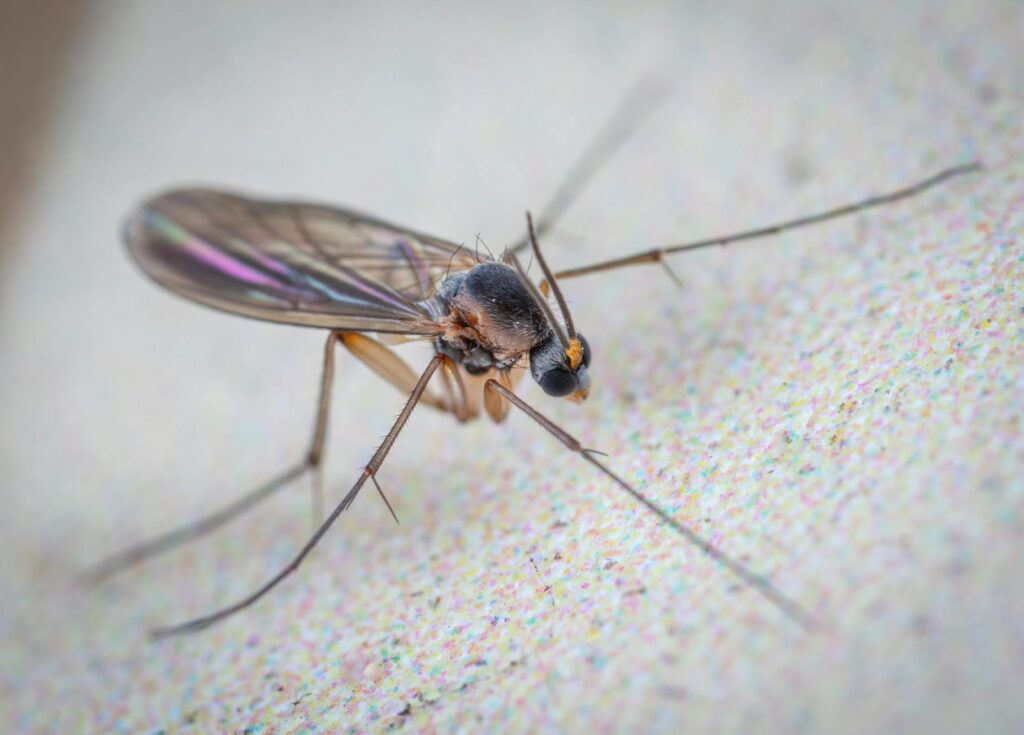
Does a Gnat Bite? The Surprising Truth About Tiny Bloodsuckers
It feels like a tiny, sharp pinch, followed by an itch that just won’t quit. You look around, and all you see are those annoying little flying insects swarming. So, you ask yourself, “Does a gnat bite?” The short answer is… it’s complicated, and often yes, though not in the way you might think.
For years, I just assumed gnats were harmless annoyances, buzzing around my head and making outdoor gatherings miserable. Then, I started noticing these small, red, itchy bumps after spending time near water. It wasn’t until I spoke with an entomologist friend that I learned the truth: some gnats do feed on humans, and their “bites” can be quite irritating.
What Exactly Are Gnats, Anyway?
Gnats aren’t a single type of insect but a common name for many small, flying insects. Think of it like the term “bug” – it covers a lot of ground. Most of the gnats you encounter are likely from families like Simuliidae (black flies, often called gnats), Ceratopogonidae (biting midges), or Mycetophilidae (fungus gnats). The key differentiator when we talk about them “biting” is whether they’re blood-feeders.
Fungus gnats, for example, are often found indoors near houseplants and primarily feed on fungi and decaying organic matter. They might hover around you, but they won’t bite. The real culprits are the blood-feeding varieties — which often get lumped under the general “gnat” umbrella.
Do Gnats Really Bite Humans?
Yes, certain types of gnats do bite humans. The most common offenders are black flies and biting midges. Unlike mosquitoes — which use a proboscis to pierce the skin and suck blood, these gnats have mouthparts that are more like tiny saws or razors. They make small cuts or scratches on the skin to lap up blood that pools from the wound.
This feeding method is a primary reason why gnat bites can feel so painful and lead to significant itching and swelling. The insect basically inflicts a tiny wound. In my experience, these “bites” often feel more like a sharp scratch than the initial prick of a mosquito.
Why Do Gnats Bite Humans?
The primary reason certain gnats bite humans is for reproduction. Female insects, like mosquitoes and biting flies, need a blood meal to develop their eggs. This protein-rich meal provides the necessary nutrients for egg maturation. Male gnats, But — typically feed on plant juices or nectar and don’t bite.
Black flies are especially known for their aggressive biting behavior, often swarming in large numbers, especially near running water where they breed. Biting midges, though smaller, can also deliver a painful nip. they’re attracted to the carbon dioxide we exhale, our body heat, and certain scents.
Gnat Bite Symptoms: What to Expect
The symptoms of a gnat bite can vary depending on the species of gnat and your individual reaction. However, common signs include:
- A sharp, stinging sensation upon being bitten.
- Small, red, itchy welts that appear shortly after the bite.
- Swelling around the bite area — which can sometimes be more pronounced than mosquito bites.
- Tenderness or a feeling of soreness.
- In some cases, blistering or a rash, especially with multiple bites or a sensitive reaction.
The itching can be intense and may last for several days. Scratching can worsen the irritation, lead to secondary infections, and prolong healing. I learned this the hard way after a camping trip where I ended up with dozens of tiny, incredibly itchy bumps.
Gnat Bites vs. Mosquito Bites: How to Tell the Difference
While both can result in itchy red bumps, there are some distinctions:
- Sensation: Gnat bites often feel like a sharp pinch or scratch initially, whereas mosquito bites are usually a less noticeable prick.
- Appearance: Gnat bites tend to be smaller, redder, and can be more inflamed or even blistered. Mosquito bites are typically larger welts.
- Location: Gnats often bite exposed skin on the face, neck, ankles, and wrists. Mosquitoes can bite anywhere.
- Swarming: Gnats, especially black flies, are notorious for swarming, leading to multiple bites in a short period. Mosquitoes are more solitary biters.
The size of the insect is also a clue. Gnats are generally much smaller than mosquitoes.
“Biting midges, commonly known as no-see-ums, are tiny flies, often less than 3 millimeters long — that can cause intensely irritating bites. Their small size makes them difficult to see, hence the name.”
How to Treat Gnat Bites and Relieve Itching
If you’ve been bitten by gnats, the goal is to reduce inflammation, itching, and prevent infection. Here’s what works:
Immediate Care:
- Clean the Area: Wash the bite gently with soap and water.
- Cold Compress: Apply a cold pack or a cloth soaked in cold water to reduce swelling and numb the area.
- Avoid Scratching: This is Key! Scratching can break the skin, leading to infection and making the itch worse. Keep nails trimmed.
Over-the-Counter Remedies:
- Calamine Lotion or Hydrocortisone Cream: These can help soothe itching and reduce inflammation.
- Antihistamines: Oral antihistamines (like Benadryl or Zyrtec) can help reduce itching and swelling, especially if you have multiple bites or a strong reaction.
- Anti-itch Cream: Look for creams containing pramoxine or menthol for temporary relief.
For especially severe reactions or signs of infection (increased redness, warmth, pus), consult a healthcare professional. In my personal experience, a good quality hydrocortisone cream combined with diligently avoiding scratching has been the most effective approach.
Preventing Gnat Bites: Your Best Defense
The best strategy is always prevention. Since many gnats are attracted to moisture and decaying organic matter, managing your environment can help. However, when you’re out and about, here are effective prevention tips:
Repellents:
- DEET-based repellents: These are highly effective against biting insects, including gnats. Follow product instructions carefully.
- Picaridin or Oil of Lemon Eucalyptus: These are good alternatives for those who prefer not to use DEET.
- Natural Repellents: Some essential oils like citronella, peppermint, and lavender may offer limited protection, but are generally less effective and require frequent reapplication.
Protective Clothing:
- Wear long sleeves, long pants, socks, and closed-toe shoes when in gnat-prone areas.
- Consider a head net if swarms are especially bad.
Environmental Control:
- Eliminate standing water around your home where gnats can breed.
- Keep garbage cans covered and clean.
- Use fans outdoors. the airflow can deter gnats.
One common mistake people make is underestimating the effectiveness of proper clothing and repellents. I used to think a t-shirt and shorts were fine, but that often led to a miserable experience with bites. Now, I always wear light-colored, long sleeves and apply a reliable repellent before heading out during peak gnat season.
Do Gnats Carry Diseases?
Generally, the gnats that bite humans in North America and Europe aren’t considered significant vectors of disease to people. Unlike mosquitoes — which can transmit serious illnesses like West Nile virus, Zika, or malaria, the common biting gnats typically don’t transmit infectious diseases to humans. However, they can transmit diseases to animals, and some species in other parts of the world can transmit diseases like onchocerciasis (river blindness) to humans, though this is rare in most tourist or residential areas.
You can find more information on insect-borne diseases from reputable health organizations. For instance, the CDC provides details on river blindness, a disease transmitted by certain black flies.
When to Seek Medical Advice for Gnat Bites
Most gnat bites are minor irritations that resolve within a few days with home care. However, you should seek medical attention if you experience any of the following:
- Signs of infection: increasing redness, warmth, swelling, pus, or red streaks extending from the bite site.
- Fever or chills.
- A severe allergic reaction (anaphylaxis) — which is rare but can include difficulty breathing, hives all over the body, dizziness, or swelling of the face or throat.
- Bites that cover a large area of the body and cause extreme discomfort.
It’s always better to err on the side of caution if you’re concerned about a bite or develop unusual symptoms.
Conclusion: Tiny Biter
So, to circle back to our initial question: does a gnat bite? Yes, certain species of gnats do bite humans, using their unique mouthparts to create tiny wounds from which they feed on blood. While they may not transmit serious diseases in most regions, their bites can be incredibly itchy and uncomfortable. By difference between gnats and other biting insects, recognizing symptoms, and employing effective prevention and treatment strategies, you can reduce the nuisance they pose.
Ready to Enjoy the Outdoors Bite-Free?
Don’t let the fear of gnat bites keep you indoors! Now that you know how to identify, treat, and prevent them, you’re equipped to enjoy your time outside. Explore our guide on effective for more tips on keeping pests at bay without harsh chemicals.
Frequently Asked Questions
what’s does a gnat bite?
does a gnat bite is a topic that many people search for. This article provides a thorough overview based on current information and expert analysis available in 2026.
Why does does a gnat bite matter?
Understanding does a gnat bite helps you make better decisions. Whether you’re a beginner or have some experience, staying informed on this topic is genuinely useful.
Where can I learn more about does a gnat bite?
We recommend checking authoritative sources and official websites for the most current information. This article is regularly updated to reflect new developments.
Source: Britannica
Editorial Note: This article was researched and written by the The Metal Specialist editorial team. We fact-check our content and update it regularly. For questions or corrections, contact us.