Home Painting Ideas to Transform Your Space
Ready to give your home a breath of fresh air? Sometimes, the most impactful change doesn’t require a major renovation. A fresh coat of paint can completely transform a room, setting a new mood and reflecting your personal style. But where do you even start with so many options?
Whether you’re looking to create a cozy sanctuary, a vibrant entertainment space, or a calm retreat, the right color and finish make all the difference. I’ve spent years helping homeowners visualize and execute their painting projects, and let me tell you, the right approach can make a world of difference. This guide will walk you through everything you need to know to nail your next painting project.
Table of Contents
- Why Fresh Paint is Your Secret Weapon
- How to Choose the Perfect Paint Colors
- Living Room Paint Color Ideas for Impact
- Bedroom Paint Color Ideas for Relaxation
- Kitchen Color Schemes That Wow
- Essential Prep Work for a Flawless Finish
- Pro Painting Techniques Anyone Can Use
- Frequently Asked Questions About Home Painting
Why Fresh Paint is Your Secret Weapon
Paint is arguably the most cost-effective way to make a dramatic change in your home. It’s relatively inexpensive, offers instant gratification, and allows for endless creativity. A well-chosen paint color can make a small room feel larger, a dark room feel brighter, and a dated space feel completely modern. It’s the foundation upon which all your other decor rests.
In my experience, homeowners often underestimate the psychological impact of color. The right shade can boost your mood, improve focus, or encourage relaxation. It’s not just about aesthetics. it’s about how the space makes you feel. For instance, a client of mine in Seattle was struggling with the perpetual grey skies. By painting her home office a warm, sunny yellow, she reported a significant boost in her energy levels and productivity during the winter months.
How to Choose the Perfect Paint Colors
Choosing paint colors can feel overwhelming. My first piece of advice? Consider the mood you want to create. Are you aiming for a calming oasis or a vibrant gathering space? Think about the existing elements in the room: furniture, flooring, and artwork. The paint should complement these items, not clash with them.
Start by gathering inspiration. Look at magazines, Pinterest, or Houzz. Save images of rooms you love. Notice the common color themes. Then, get paint samples! Never choose a color straight from the chip. Paint large swatches (at least 1×1 foot) on different walls in the room. Observe them at various times of day and under different lighting conditions (natural and artificial). Colors can look dramatically different depending on the light.
Consider color psychology. Blues and greens are often associated with calmness and tranquility, making them great for bedrooms and bathrooms. Reds and oranges can be energizing and stimulating, ideal for dining rooms or living areas where you entertain. Neutrals like grays, beiges, and whites offer versatility and a timeless appeal, serving as a perfect backdrop for bolder accents.
Living Room Paint Color Ideas for Impact
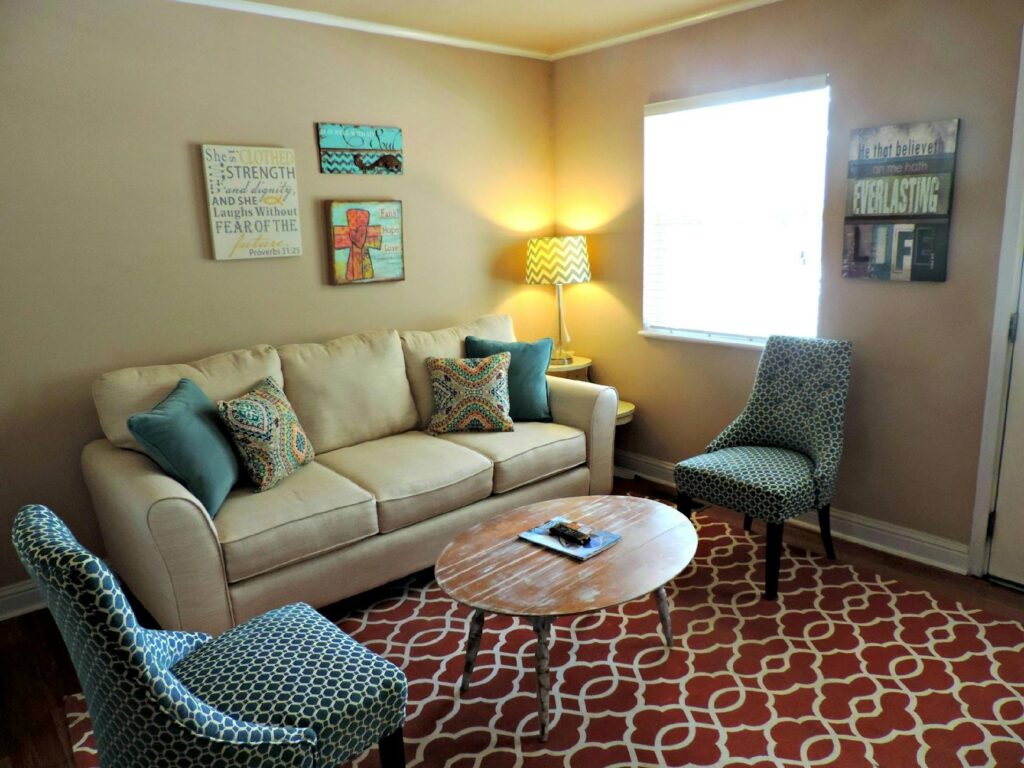
Your living room is often the heart of the home, a space for relaxation and socializing. When selecting living room paint color ideas, think about the overall style you want to achieve. For a sophisticated feel, deep jewel tones like emerald green, sapphire blue, or deep burgundy can be stunning, especially when paired with neutral furniture.
If you prefer a brighter, airier atmosphere, consider soft grays, warm off-whites, or muted blues. These neutrals provide a versatile canvas that allows your furniture and decor to shine. An accent wall is also a popular choice for living rooms. This could be a bold color, a textured finish, or even wallpaper on one focal wall to add depth and interest without overwhelming the space.
For a modern farmhouse vibe, consider shiplap walls painted in a crisp white or a soft greige. This trend has staying power because it’s both cozy and clean. I recently helped a client transform their traditional living room into a modern haven by painting the main walls a soft, warm white and creating an accent wall behind the TV with a deep, moody teal. The transformation was incredible, making the space feel intentional and chic.
Bedroom Paint Color Ideas for Relaxation
The bedroom should be your personal sanctuary, a place for rest and rejuvenation. Therefore, bedroom paint color ideas often lean towards calming and soothing hues. Soft blues, gentle greens, lavenders, and muted grays are perennial favorites for creating a tranquil environment. These colors have a naturally calming effect on the mind.
For a cozier feel, consider warmer neutrals like a soft beige or a creamy off-white. If you’re feeling a bit bolder, a deep, muted plum or a dusty rose can add a touch of romance and warmth without being overly stimulating. Avoid overly bright or jarring colors, as they can interfere with sleep. Remember that the finish matters too. a matte or eggshell finish will diffuse light and create a softer look than a satin or semi-gloss.
According to a 2023 study by the National Sleep Foundation, individuals who slept in rooms painted in cool, muted colors reported higher quality sleep compared to those in brightly colored rooms.
One counterintuitive tip: don’t shy away from darker colors if that’s what makes you feel cozy. A deep navy or charcoal gray can create a surprisingly enveloping and intimate atmosphere in a bedroom, especially when balanced with soft textiles and adequate lighting.
Kitchen Color Schemes That Wow
The kitchen is a high-traffic area, and its color scheme can impact its feel. When thinking about kitchen color schemes, consider durability and how the color will hold up to everyday life. White kitchens remain incredibly popular for their timeless appeal and ability to make spaces feel larger and brighter. However, you can achieve a similar effect with light grays, pale blues, or even soft sage greens.
For a bolder statement, consider navy blue, deep green, or even a charcoal gray for your cabinets or an accent wall. These darker shades can add a touch of drama and sophistication. If you have wood cabinets, painting the walls a complementary color can really make the wood grain pop. For example, a warm, creamy white on the walls can beautifully highlight honey-toned oak cabinets.
Don’t forget about the backsplash and countertops! Your paint color should harmonize with these elements. If your countertops are busy or have multiple colors, opting for a simpler, neutral wall color is often best. Conversely, if you have minimalist countertops, you might have more freedom to play with bolder wall colors. In my own kitchen remodel three years ago, I chose a soft, muted green for the walls and a crisp white for the cabinets. It created a fresh, inviting atmosphere that I still love every day.
Essential Prep Work for a Flawless Finish
Here’s where many DIYers cut corners, and it’s the biggest mistake you can make. Proper preparation is the key to a professional-looking paint job that lasts. Skipping these steps will lead to an uneven finish, peeling paint, and a lot of frustration down the line.
First, clear the room as much as possible. Move furniture to the center or to another room. Cover everything that remains with drop cloths. Next, clean your walls thoroughly. Dust, grease, and grime will prevent paint from adhering properly. Use a mild detergent solution and rinse well. Patch any holes or cracks with spackle, let it dry, and sand it smooth.
Use painter’s tape to protect trim, windows, and ceilings. Press the edges down firmly to prevent paint bleed. Apply a coat of primer, especially if you’re painting over a dark color with a lighter one, or if you’re painting over glossy surfaces. Primer ensures better adhesion and a more uniform color. For most projects, a water-based primer is suitable, but oil-based primers offer superior stain blocking.
Pro Painting Techniques Anyone Can Use
Once your prep work is done, it’s time to paint! Start by cutting in the edges and corners with a brush. This means painting a border about two inches wide along the ceiling, corners, baseboards, and around windows and doors. This ensures a clean line where the roller can’t easily reach.
When rolling, work in sections. Use a “W” or “M” pattern to apply the paint evenly. Overlap each stroke slightly to avoid lap marks. Don’t overload your roller, but ensure consistent coverage. For best results, apply paint in long, vertical strokes, finishing each stroke with an upward motion to avoid drips. Most paint jobs require two coats for full, even coverage.
Pay attention to the paint finish. Matte finishes hide imperfections best but are harder to clean. Eggshell and satin finishes offer a slight sheen and better washability, making them popular for living rooms and hallways. Semi-gloss and gloss finishes are very durable and easy to clean, making them ideal for trim, doors, and high-moisture areas like bathrooms, but they highlight surface imperfections.
A common mistake people make isn’t buying enough paint. Always buy slightly more than you think you’ll need. Having extra paint from the same batch ensures you can easily touch up any scuffs or marks later without worrying about color variations.
For an authoritative perspective on paint and surface preparation, the EPA provides excellent guidelines on selecting low-VOC paints and proper application techniques to ensure both health and durability. You can find valuable resources on their website regarding sustainable building practices.
Frequently Asked Questions About Home Painting
what’s the best paint finish for a living room?
The best paint finish for a living room is typically eggshell or satin. These finishes offer a slight sheen that makes them more durable and easier to clean than matte finishes, while still hiding minor imperfections well. They provide a good balance of aesthetics and practicality for high-traffic areas.
How many coats of paint do I need?
Most paint jobs require two coats for optimal coverage and color depth. The first coat acts as a base, and the second ensures uniformity and hides any missed spots or inconsistencies. If you’re painting over a dark color with a light one, or if the surface is very porous, a primer might also be necessary.
Should I paint the ceiling before or after the walls?
It’s generally recommended to paint the ceiling before the walls. This way, any drips or mistakes made while painting the ceiling won’t affect the freshly painted walls. Once the ceiling is dry, you can then carefully tape off the ceiling line before painting the walls.
How long should I wait between paint coats?
Always check the paint can’s instructions, but typically, you should wait at least 2-4 hours between coats. Some paints may require longer drying times, especially in humid conditions. Rushing this process can lead to peeling, poor adhesion, and a less durable finish.
What’s the difference between primer and paint?
Primer is a preparatory coating that prepares the surface for paint. It seals porous surfaces, improves adhesion, blocks stains, and helps achieve a more uniform color. Paint provides the color and finish. While some paints are self-priming, a dedicated primer often yields superior results, especially for drastic color changes or challenging surfaces.
Ready to Refresh Your Home?
Transforming your living space with a fresh coat of paint is an accessible and rewarding project. By carefully selecting your colors, preparing your surfaces diligently, and employing a few pro techniques, you can achieve stunning results that you’ll be proud of for years to come. Don’t be afraid to experiment and let your personality shine through your chosen home painting ideas!