
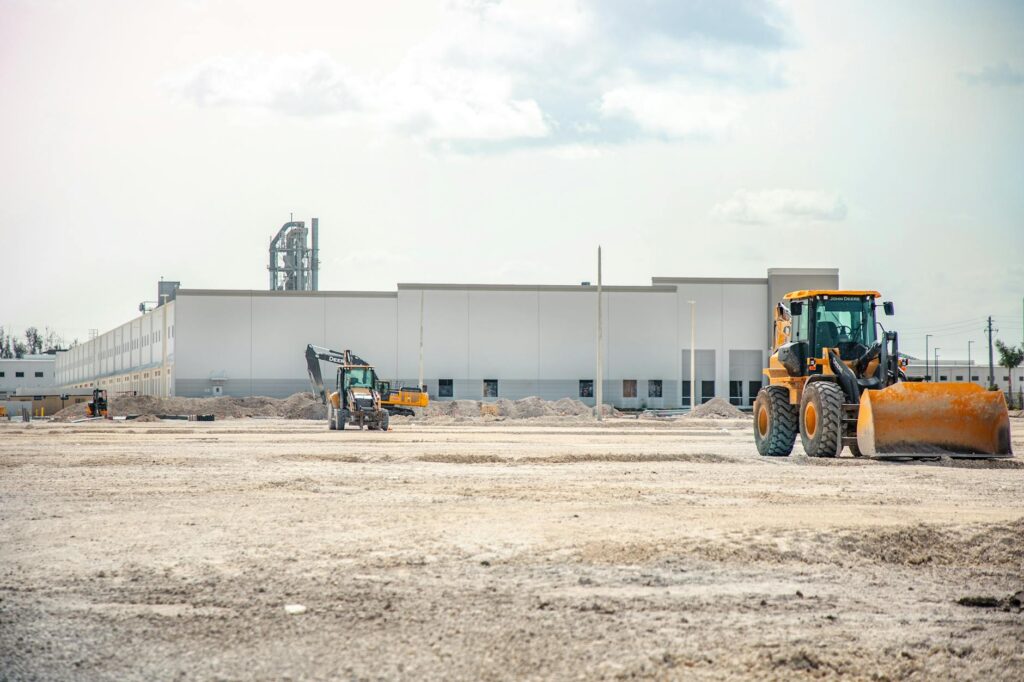
Industrialized Construction Benefits: Build Faster, Cheaper
The way we build is changing, and if you’re involved in any kind of construction project, you’ve probably heard the buzz around industrialized construction. It’s not just a trend. it’s a fundamental shift offering massive industrialized construction benefits. In my 10 years working with construction firms exploring new methods, I’ve seen firsthand how moving construction off-site into a controlled factory environment can dramatically improve project outcomes. Forget the unpredictable weather delays and site-specific challenges. this approach brings precision, speed, and efficiency to a whole new level.
Last updated: April 18, 2026
- What Exactly is Industrialized Construction?
- Why Choose Industrialized Construction? Key Benefits Explained
- How Do Industrialized Construction Benefits Impact Project Timelines?
- What are the Cost Advantages of Industrialized Building?
- Does Industrialized Construction Improve Quality and Safety?
- How Does Industrialized Construction Contribute to Sustainability?
- Overcoming Challenges: Common Pitfalls and Solutions
- Is Industrialized Construction Right for Your Next Project?
What Exactly is Industrialized Construction?
Before we dive into the benefits, let’s clarify what we mean by industrialized construction. It’s an umbrella term that encompasses methods like prefabrication, modular construction, and panelized building systems. The core idea is to shift a significant portion of the building process from the traditional construction site to a controlled factory setting. Think of it like an assembly line for buildings — where components or entire modules are manufactured with precision and then transported to the site for final assembly.
This isn’t new in principle – think of Henry Ford’s assembly line. However, applying these principles to construction, especially with advancements in technology and materials, is where the real innovation lies. It involves a high degree of planning, precision engineering, and offsite manufacturing. The goal is to create a more predictable, efficient, and higher-quality building process.
Why Choose Industrialized Construction? Key Benefits Explained
The shift towards industrialized construction isn’t happening in a vacuum. It’s driven by a clear set of advantages that address many of the pain points in traditional building. When I first started exploring this, the promise of reduced timelines and better cost control was incredibly appealing. It’s about more than just speed. it’s about a smarter, more predictable way to build.
Here are some of the standout benefits:
- Accelerated Project Delivery: shorter construction schedules.
- Enhanced Cost Predictability: Reduced risk of budget overruns.
- Improved Quality Control: Factory conditions lead to higher precision.
- Increased Safety: Fewer hazards compared to on-site work.
- Reduced Site Disruption: Less noise, traffic, and waste at the project location.
- Greater Sustainability: Optimized material use and less waste.
- Labor Efficiency: Better utilization of skilled labor.
These benefits combine to offer a compelling alternative to conventional methods. Many clients I’ve worked with are drawn to the certainty these advantages provide, especially in today’s volatile economic climate.
How Do Industrialized Construction Benefits Impact Project Timelines?
One of the most significant industrialized construction benefits is the dramatic reduction in project timelines. Traditional construction is heavily reliant on weather, site conditions, and the sequential nature of trades on-site. Industrialized construction tackles this by enabling parallel processing.
While foundation work and site preparation are happening on-site, the building’s components or modules are being manufactured simultaneously in a factory. This overlap means that as soon as the site is ready, the pre-built elements can be quickly assembled. I’ve seen projects completed up to 50% faster than traditional methods because of this parallel workstream. For instance, a 12-month traditional build might be reduced to 6-8 months with prefabrication.
This speed is a direct result of several factors:
- Controlled Environment: Factory work isn’t halted by rain, snow, or extreme temperatures.
- Optimized Workflow: Assembly lines and specialized teams improve efficiency.
- Reduced Lead Times: Materials can be ordered and processed more predictably.
- Concurrent Activities: Site prep and module fabrication happen at the same time.
The predictability of timelines is a huge win. It allows for better financial planning, earlier occupancy, and quicker return on investment for developers and owners. This was a major selling point for a hotel project I consulted on. the owner needed to open before the peak tourist season, and modular construction made it possible.
According to the Modular Building Institute, modular construction projects can reduce construction schedules by 30-50%. This acceleration is a primary driver for adopting offsite methods.
What are the Cost Advantages of Industrialized Building?
Cost savings are a primary driver for many seeking industrialized construction benefits. While the upfront cost of factory-built components might seem similar or even higher initially, the overall project economics often show significant savings. Here’s where total cost of ownership and project lifecycle comes into play.
Here’s how costs are reduced:
- Reduced Labor Costs: Factory work is often more efficient, requiring fewer hours per unit. There’s also less need for extensive on-site labor — which can be costly and subject to fluctuations.
- Minimized Waste: Factory environments allow for precise material ordering and cutting, leading to less material waste – often up to 90% less than traditional construction. This reduces material purchasing and disposal costs.
- Fewer Reworks: The controlled factory setting and advanced technology mean fewer errors and less need for costly rework. I recall a project where a complex facade system had to be entirely rebuilt on-site due to a design misinterpretation – a costly mistake that industrialized methods often prevent.
- Predictable Pricing: Factory production allows for more stable pricing of components, insulating projects from the price volatility common in on-site material procurement and labor.
- Reduced Financing Costs: Shorter project timelines mean less time paying interest on construction loans.
- Lower Site Costs: Less time on-site means reduced costs for site security, temporary facilities, and general conditions.
The overall reduction in risk also contributes to cost savings. Fewer unexpected issues mean fewer budget overruns. This predictability is invaluable for project budgeting and financial forecasting.
Does Industrialized Construction Improve Quality and Safety?
Absolutely. The controlled environment of a manufacturing facility is a major improvement for both quality and safety. In my experience, this is one of the most consistently cited industrialized construction benefits by those who have adopted it.
Quality Control:
- Consistent Standards: Factories operate under stringent quality control protocols, often exceeding those possible on a busy, exposed construction site.
- Skilled Workforce: Dedicated factory teams specialize in specific tasks, leading to higher levels of craftsmanship.
- Advanced Technology: Precision machinery, robotics, and digital modeling ensure components are manufactured to exact specifications.
- Environmental Control: Materials are protected from weather damage during fabrication, ensuring their integrity.
Safety:
- Reduced Site Hazards: The majority of work occurs in a safe, controlled factory setting, away from typical construction site risks like falls from height, heavy equipment accidents, or exposure to harsh weather.
- Standardized Safety Protocols: Factories implement rigorous safety procedures and provide necessary training and equipment.
- Less Site Congestion: Fewer workers and less activity on the actual construction site reduce the potential for accidents.
The U.S. General Services Administration (GSA) has noted the benefits of modular construction, including improved quality and safety, especially for government buildings where consistency and durability are really important. This institutional endorsement highlights the reliability of the method.
When I first saw a modular hospital unit being assembled, the precision of the connections and the finished quality were noticeably superior to many traditionally built medical facilities I had encountered.
How Does Industrialized Construction Contribute to Sustainability?
Sustainability is no longer optional, and industrialized construction offers significant environmental advantages. The controlled factory environment allows for a more resource-efficient approach to building. Here’s a key reason why many eco-friendly construction methods are turning to offsite manufacturing.
Here’s how it enhances sustainability:
- Reduced Material Waste: As mentioned, precise manufacturing and material optimization in a factory setting drastically cut down on waste. Materials are ordered accurately, and offcuts can often be reused within the same factory. Studies show waste can be reduced by as much as 90% compared to traditional methods.
- Energy Efficiency: Factory production often uses more energy-efficient machinery and processes than temporary on-site operations.
- Improved Building Performance: Precision manufacturing leads to tighter building envelopes, reducing air leakage and improving thermal performance. This results in lower energy consumption for heating and cooling throughout the building’s life.
- Less Site Disruption: Reduced on-site activity means less noise pollution, less traffic congestion from material delivery trucks, and less impact on local ecosystems.
- Optimized Transportation: While transportation is a factor, efficient factory logistics and the ability to ship multiple modules or components at once can sometimes be more efficient than numerous individual material deliveries to a site.
The concept of Design for Manufacturing and Assembly (DFMA) is central here. By designing components In particular for factory production, architects and engineers can optimize material usage and minimize environmental impact from the outset.
I worked on a student housing project where the client had ambitious sustainability targets. By using prefabricated wall panels manufactured in a controlled environment, we achieved a higher insulation R-value and reduced construction waste, helping them meet their LEED certification goals more easily.
Overcoming Challenges: Common Pitfalls and Solutions
No construction method is without its challenges, and industrialized construction is no exception. Being aware of these potential pitfalls allows you to plan effectively and mitigate risks. I’ve seen projects falter when these issues weren’t addressed early on.
Common Challenges:
- Perception and Acceptance: Some clients or stakeholders may still hold outdated perceptions about the quality or flexibility of factory-built structures.
- Transportation Logistics: Moving large modules or components from the factory to the site can be complex and costly, requiring careful planning, specialized equipment, and potentially road closures or permits.
- Site Access: The project site must be accessible for large delivery vehicles and cranes needed for module placement.
- Design Rigidity: Early design decisions are critical. Changes late in the process are much harder and more expensive to implement than in traditional construction.
- Factory Capacity and Lead Times: Popular factories can have long waiting lists, requiring early booking.
Solutions:
- Education and Case Studies: Showcase successful projects and transparently discuss the benefits and processes to build trust and understanding.
- Thorough Site Analysis: Conduct detailed site surveys, traffic studies, and logistical planning well in advance. Coordinate with local authorities regarding transport routes and permits.
- Invest in DFMA: Employ principles of Design for Manufacturing and Assembly from the project’s inception to optimize designs for factory production and minimize late-stage changes.
- Early Engagement: Engage with industrialized construction partners and manufacturers early in the design phase to understand their capabilities, lead times, and design constraints.
- Hybrid Approaches: Consider hybrid models that combine offsite manufacturing for certain elements (like bathrooms, kitchens, or wall panels) with on-site construction for others, offering flexibility.
A common mistake I see is treating industrialized construction like traditional construction. You need to change your mindset and planning approach. For example, thinking about how modules will connect during the design phase, rather than trying to figure it out when they arrive on site, is Key.
Is Industrialized Construction Right for Your Next Project?
Deciding if industrialized construction is the right fit depends on your project’s specific needs and priorities. If speed, cost certainty, quality control, and reduced site disruption are high on your list, then the industrialized construction benefits are incredibly compelling.
Consider industrialized construction if you’re building:
- Multi-family housing or student dormitories
- Hotels and hospitality facilities
- Healthcare facilities (clinics, hospitals)
- Educational buildings (schools, classrooms)
- Commercial offices or retail spaces
- Affordable housing projects
The key is early planning and collaboration. Engaging with experienced industrialized construction partners, architects familiar with DFMA, and manufacturers from the outset will ensure you maximize the benefits and navigate potential challenges effectively. It’s about embracing a more efficient, predictable, and often more sustainable way to build.
In the end, the industrialized construction benefits offer a powerful solution to many of the persistent challenges facing the construction industry today. By moving more work into controlled environments, we can build faster, more affordably, and to a higher standard.
Frequently Asked Questions About Industrialized Construction Benefits
what’s the main advantage of industrialized construction?
The primary advantage of industrialized construction is its ability to accelerate project timelines while improving cost predictability and quality control. By moving a substantial portion of building activities into a controlled factory environment, it overcomes many site-specific and weather-related delays inherent in traditional methods.
How does industrialized construction reduce costs?
Industrialized construction reduces costs through increased labor efficiency in factories, minimized material waste due to precise manufacturing, fewer on-site errors and rework, and shorter overall project schedules which lower financing and general condition costs.
Is the quality of industrialized construction lower than traditional?
Contrary to some perceptions, the quality of industrialized construction is often higher. Factory settings allow for stringent quality control, use of advanced machinery, and protection from weather, leading to greater precision and consistency compared to on-site work.
What types of projects are best suited for industrialized construction?
Projects that benefit most include multi-family housing, hotels, schools, healthcare facilities, and affordable housing. These often involve repetitive units or standardized designs where the efficiencies of factory production can be maximally exploited.
Does industrialized construction cause more environmental impact?
Industrialized construction generally has a lower environmental impact. It reduces material waste, allows for better energy efficiency in manufacturing, and results in tighter building envelopes that consume less energy during occupancy.
Ready to explore how these industrialized construction benefits can transform your next project? Understanding these advantages is the first step toward building smarter and more efficiently. Let’s discuss how we can apply these principles to your unique needs.
Source: Britannica
Editorial Note: This article was researched and written by the The Metal Specialist editorial team. We fact-check our content and update it regularly. For questions or corrections, contact us.