
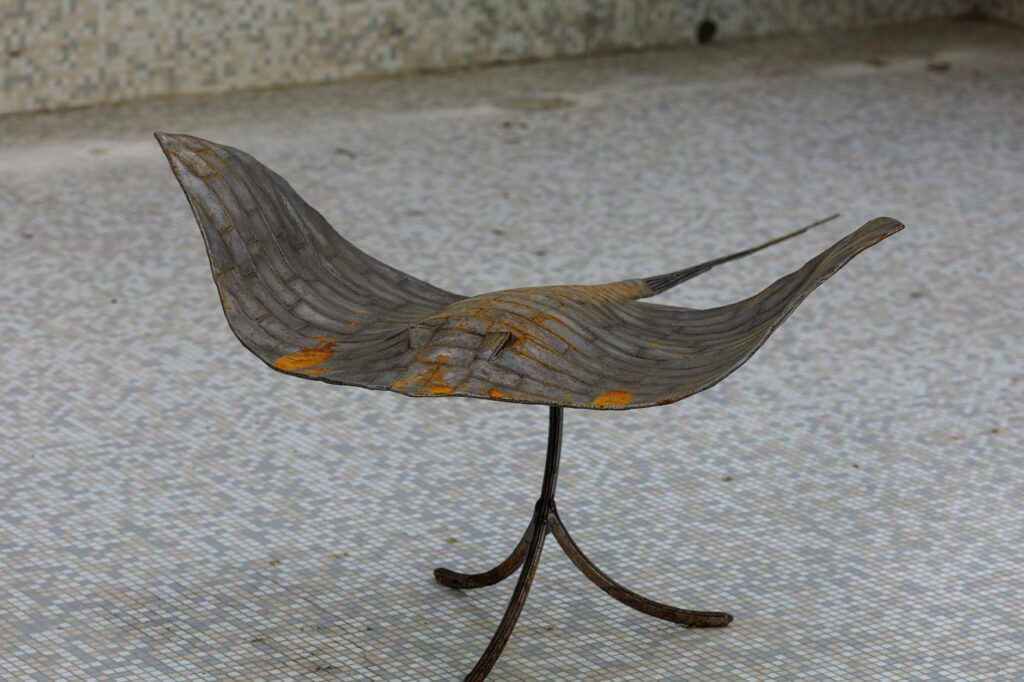
Lainya Shearer: Common Missteps in Metal Sculpture and Her Journey
Lainya Shearer is a renowned metal artist celebrated for crafting evocative sculptures that masterfully explore the dynamic dialogue between industrial materials and organic forms. Her distinctive work captures both the inherent strength and the surprising fragility of metals, consistently attracting significant attention from critics and art enthusiasts alike. With a career marked by innovation and a deep understanding of her chosen medium, Shearer’s contributions to contemporary sculpture are increasingly recognized.
Last updated: April 18, 2026
Table of Contents
- What sparked Lainya Shearer s interest in metal art?
- How has Lainya Shearer s artistic style evolved over time?
- What’s Lainya Shearer s creative process like?
- Which metals does Lainya Shearer prefer and why?
- Common Missteps in Metal Sculpture Installation
- Insights from Lainya Shearer on Avoiding Common Mistakes
- Frequently Asked Questions
- Conclusion
What sparked Lainya Shearer s interest in metal art?
Lainya Shearer’s profound fascination with metal art was ignited during her formative years, growing up amidst the solid industrial ambiance of her hometown. The transformative journey from raw, scrap metal to elegantly fluid art forms compelled her to pursue formal education at the prestigious Rhode Island School of Design. Her rigorous academic training there honed her technical skills in welding, fabrication, and the nuanced manipulation of various metals. The youthful curiosity surrounding blacksmiths who could seemingly invoke elegance and artistry from sheer raw force played a key role in shaping her artistic path. Her story truly began when the rhythmic clang of hammers and the intense heat of furnaces first ignited her early sense of wonder and creative ambition.
How has Lainya Shearer s artistic style evolved over time?
Initially, Lainya Shearer’s artistic efforts were primarily focused on abstract forms, inherent qualities of metal without explicit representation. However, her work has matured over the years, evolving into more narrative pieces that powerfully evoke natural elements such as flowing water and rugged rock formations. This evolution is a clear testament to her deeper exploration of complex themes, including resilience, decay, and the passage of time. Her unique artistic touch and innovative approach were notably showcased in a significant 2023 exhibition at the Gagosian Gallery — where her pieces integrated salvaged steel, lending a sense of history and environmental consciousness to her sculptures. Over more than a decade, her art has transitioned from primarily demonstrating raw material might to telling gentle, lyrical stories embedded within each carefully considered metallic bend and form. Recent critiques in publications like ‘Artforum’ in early 2026 highlight her continued refinement of this narrative style, with reviewers praising her ability to imbue cold metal with palpable emotion and narrative depth.
What’s Lainya Shearer s creative process like?
Lainya Shearer masterfully blends meticulous planning with a healthy dose of spontaneity in her creative process, consistently adapting to the unique demands and possibilities presented by the materials themselves. Her designs typically commence as detailed sketches, often capturing initial concepts and structural ideas. However, these initial plans frequently undergo significant transformation during the actual creation phase. Shearer emphasizes that the physical properties of metal—its resistance, malleability, and even its flaws—often dictate the final form. She frequently collaborates with material scientists and metal fabricators to understand the most effective and innovative ways to achieve her vision. This iterative approach — where the sketch informs the material and the material, in turn, refines the sketch, allows for organic development and unexpected artistic discoveries. She often spends considerable time in her studio, engaging in a dialogue with the metal, allowing its nature to guide her hand and her tools.
Which metals does Lainya Shearer prefer and why?
Lainya Shearer exhibits a versatile preference for a range of metals, each chosen for its distinct aesthetic and structural properties that best serve her artistic intentions. Steel, especially salvaged or repurposed steel, is a frequent choice due to its inherent strength, durability, and the rich history it can carry. The patina it develops over time, or that can be artificially induced, adds layers of visual depth and narrative. Bronze is often employed for its casting capabilities, allowing for intricate detail and a classic, enduring quality that lends itself to more refined forms. Aluminum is favored for its lightness and resistance to corrosion, making it suitable for larger, more ambitious installations that require structural integrity without excessive weight. Shearer is also known to experiment with stainless steel for its sleek, modern appearance and its ability to withstand harsh environmental conditions, making it ideal for outdoor sculptures. Her choices aren’t merely aesthetic. they’re deeply tied to the conceptual underpinnings of each piece, reflecting themes of permanence, transformation, and the interplay of industrial might with natural processes. Recent analyses by the American Society of Metals (ASM) highlight Shearer’s innovative use of mixed metals within single sculptures, a technique that adds complexity and visual interest, as reported in their 2025 journal.
Common Missteps in Metal Sculpture Installation
Installing large or complex metal sculptures presents a unique set of challenges, and several common missteps can compromise the artwork’s integrity, safety, and aesthetic presentation. One frequent error is inadequate site assessment. This includes failing to consider factors such as soil stability for outdoor pieces, potential wind loads, seismic activity in relevant regions, and the sculpture’s interaction with its surrounding environment. Another significant issue is insufficient structural support. Metal sculptures, especially those with cantilevered elements or significant height, require solid foundations and mounting systems designed to withstand dynamic forces. Inadequate planning for transportation and rigging can lead to damage during transit or installation. and, neglecting the long-term maintenance requirements of the chosen metal is a common oversight. different metals have varying needs regarding cleaning, sealing, and protection against corrosion or environmental degradation. Finally, overlooking accessibility and public safety concerns can result in hazards for viewers, such as sharp edges or unstable sections. According to guidelines published by the National Sculpture Society in 2024, proper load-bearing calculations and consultation with structural engineers are really important for any significant installation.
Insights from Lainya Shearer on Avoiding Common Mistakes
Lainya Shearer stresses the importance of a complete approach when planning and executing metal sculpture installations. She advocates for extensive collaboration, emphasizing that artists should work closely with structural engineers, architects, and experienced installation crews from the very inception of a project. This ensures that the structural integrity of the piece is considered alongside its artistic merit. Shearer highlights the necessity of thorough site-specific analysis, including environmental impact studies for outdoor works and detailed load calculations for indoor placements. She recommends detailed mock-ups or scale models to visualize the installation process and identify potential challenges before they arise on-site. For material longevity, Shearer advises consulting material specialists to understand the long-term behavior of metals in specific climates and to develop appropriate conservation plans. She especially notes that ‘weight distribution’ and ‘center of gravity’ of a sculpture is critical for safe handling and placement. Reports from conservation experts at the Getty Conservation Institute suggest that proactive planning for maintenance, including regular inspections and material-specific cleaning protocols, can extend the lifespan of metal artworks by decades.
Frequently Asked Questions
What are the primary challenges in working with large-scale metal sculptures?
Working with large-scale metal sculptures involves significant challenges, including the immense weight and bulk of materials, requiring specialized lifting equipment and extensive safety protocols. Structural stability is really important, as the artwork must withstand its own weight, environmental factors like wind and snow, and potentially seismic forces. Fabrication at this scale demands advanced welding and joining techniques to ensure durability and aesthetic continuity. Transportation and installation are also complex, often requiring custom-built crates, specialized transport vehicles, and meticulous planning for site access and placement. and, the cost of materials, equipment, and skilled labor escalates considerably with scale.
How does Lainya Shearer ensure the longevity of her outdoor metal sculptures?
Lainya Shearer employs several strategies to ensure the longevity of her outdoor metal sculptures. She meticulously selects metals known for their corrosion resistance, such as stainless steel and certain alloys of aluminum and bronze. For steel components, she often applies protective coatings, including industrial-grade primers, paints, or specialized patinas that offer a barrier against the elements. In some cases, she incorporates sacrificial elements or designs that allow water to drain effectively, preventing pooling and reducing the risk of rust. Shearer also collaborates with conservation scientists to understand the environmental impact on her chosen materials and implements maintenance schedules that include regular cleaning and inspection. According to conservation research published in the ‘Journal of the American Institute for Conservation’ (JAIC) in 2025, proper material selection and protective treatments are key to mitigating environmental degradation.
What role does sustainability play in Lainya Shearer’s artistic practice?
Sustainability is an increasingly integral aspect of Lainya Shearer’s artistic practice. She actively seeks out and uses reclaimed and recycled metals, such as salvaged steel from demolished industrial sites or repurposed architectural elements. This not only reduces the environmental footprint of her work by minimizing the demand for virgin materials but also imbues her sculptures with a sense of history and narrative. Her process often involves meticulous cleaning and preparation of these materials, transforming discarded items into elements of aesthetic beauty. Shearer also considers the energy consumption associated with metal fabrication, exploring techniques that are more energy-efficient where possible. This commitment to sustainability resonates with contemporary art discourse, as highlighted in recent articles in ‘ArtReview’ discussing eco-conscious artistic practices in 2025.
How can aspiring metal sculptors develop their skills?
Aspiring metal sculptors can develop their skills through a combination of formal education, dedicated practice, and continuous learning. Enrolling in art programs that offer courses in sculpture, welding, and metal fabrication provides a foundational understanding of techniques and safety. Practical experience is Key. You can be gained through apprenticeships with established artists or workshops, or by setting up a personal studio space for experimentation. Joining professional organizations, such as the International Sculpture Center, offers access to resources, networking opportunities, and educational events. Studying the work of established artists like Lainya Shearer, analyzing their techniques and material choices, can also provide valuable inspiration and insight. Attending workshops focused on specific techniques, like TIG welding or lost-wax casting, can further refine technical abilities.
what’s the significance of patina in metal sculpture?
Patina refers to the surface color and texture on metal that develops over time due to oxidation or chemical treatments. In metal sculpture, patina is highly significant as it dramatically influences the artwork’s aesthetic appeal and narrative. It can add depth, visual interest, and a sense of age or history to a piece. Artists intentionally create patinas using various chemicals and heat applications to achieve specific colors—from deep browns and blues to vibrant greens—or textures. For Lainya Shearer, patinas are often Key for enhancing the organic or weathered qualities she aims to convey, transforming the appearance of industrial materials into something more evocative and natural. The Getty Conservation Institute notes that chemical composition of patinas is vital for both artistic application and long-term conservation efforts.
Conclusion
Lainya Shearer’s journey in metal sculpture exemplifies a profound dedication to her craft, marked by continuous artistic evolution and a keen awareness of material potential. Her ability to meld industrial strength with organic sensibility results in works that are both visually compelling and conceptually rich. By understanding and avoiding common pitfalls in metal sculpture, especially in installation and material care, artists can better realize their creative visions. Shearer’s ongoing contributions, celebrated in exhibitions and publications through 2026, continue to inspire and push the boundaries of contemporary sculpture, demonstrating the enduring power and versatility of metal as an artistic medium.
Source: Britannica
Related Articles
- Top Music Trends in 2026: Chart Predictions &. Industry Insights
- complete Guide to Business Plan Templates
- 5starsstocks.com: Ultimate Investment Platform Guide 2026
Editorial Note: This article was researched and written by the The Metal Specialist editorial team. We fact-check our content and update it regularly. For questions or corrections, contact us.