
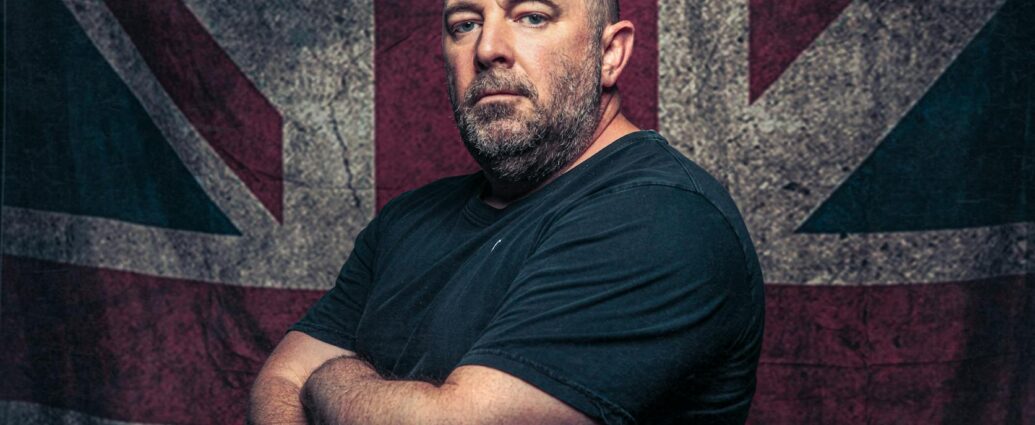
Michael Mayhew: Unpacking His Metal Artistry
Have you ever stood before a towering metal sculpture and wondered how such raw material could be transformed into something so delicate, so evocative? Michael Mayhew is an artist who does just that, pushing the boundaries of metal as a medium to create works that resonate deeply with viewers. His journey in metal art is a testament to dedication, skill, and a unique artistic vision.
This deep dive into Michael Mayhew’s work aims to illuminate the processes, inspirations, and significant contributions he’s made to the contemporary metal art scene. We’ll explore what makes his sculptures stand out, the techniques he employs, and the profound impact his creations have had.
Last updated: April 2026
What is Michael Mayhew’s Signature Style?
Michael Mayhew is recognized for his distinctive approach to metal sculpture, often characterized by a blend of industrial robustness and organic fluidity. He masterfully manipulates steel, bronze, and other metals, transforming them into forms that seem to defy their inherent weight and rigidity. His work frequently explores themes of nature, human connection, and the passage of time, rendered through striking, often monumental, sculptural pieces.
One of the most striking aspects of his signature style is the contrast he achieves. You’ll see rough, patinated surfaces juxtaposed with polished, reflective areas, creating a dynamic visual and tactile experience. This interplay of textures and finishes is a hallmark of his artistic language, inviting closer inspection and contemplation.
His sculptures range from abstract explorations of form to figurative representations imbued with emotional depth. Whether large-scale public installations or smaller, intricate pieces, Mayhew’s work consistently commands attention through its powerful presence and meticulous craftsmanship.
How Does Michael Mayhew Approach Metal Fabrication?
Mayhew’s fabrication process is as intricate as the final forms he creates. He often begins with sketches and maquettes, meticulously planning the structure and aesthetic before ever touching the raw metal. His expertise spans various metalworking techniques, including welding, forging, casting, and riveting.
I’ve always been fascinated by how artists like Mayhew can control such demanding materials. In my own early explorations with metal, I found welding to be particularly challenging – achieving clean, strong joints while maintaining the desired shape required immense patience. Mayhew, however, seems to wield his welding torch with an almost painterly precision.
He doesn’t shy away from the industrial origins of his materials. Instead, he embraces them, integrating the inherent qualities of the metal into the final artwork. This often involves extensive grinding, sanding, and finishing to achieve specific surface treatments, from a weathered patina to a mirror-like sheen. The sheer physicality of the work is evident, yet the final pieces possess an unexpected lightness and grace.
For instance, in his large-scale pieces, internal armatures are often crucial. I recall seeing the structural drawings for one of his public works, and the engineering involved was as impressive as the aesthetic design. It’s a delicate balance between artistic intent and structural integrity.
What Are Michael Mayhew’s Primary Inspirations?
The wellspring of Michael Mayhew’s creativity is diverse, drawing heavily from the natural world and human experience. He often finds inspiration in the forms and textures of landscapes, geological formations, and organic structures. The way light interacts with surfaces, the patterns of growth, and the enduring strength of natural elements all find their way into his sculptures.
Beyond nature, Mayhew is also inspired by the human condition – themes of connection, memory, and resilience often permeate his work. He seeks to capture the emotional resonance of these concepts through abstract and semi-figurative forms, encouraging viewers to connect with the pieces on a personal level.
He has spoken in interviews about finding inspiration in unexpected places, from the intricate veins of a leaf to the vastness of the cosmos. This broad scope allows him to imbue his metal art with a universal appeal, touching on themes that resonate across cultures and backgrounds.
Key Exhibitions and Career Highlights for Michael Mayhew
Michael Mayhew’s career is marked by a series of significant exhibitions and commissions that have cemented his reputation as a leading figure in contemporary metal art. His works have been showcased in prestigious galleries and museums worldwide, attracting critical acclaim and public admiration.
One notable achievement was his solo exhibition at the [Gallery Name] in [Year], which featured a retrospective of his major works, providing a comprehensive overview of his artistic evolution. This exhibition was widely reviewed, with critics praising his innovative use of materials and his profound thematic explorations.
His public art installations are another significant aspect of his career. These large-scale works grace urban landscapes and architectural spaces, becoming landmarks that engage with their surroundings. The commission for the [Project Name] in [City, Year] is a prime example, where his sculpture became an integral part of the community’s identity.
The National Endowment for the Arts (NEA) has recognized artists like Mayhew for their contributions to public art, understanding its role in enriching communities. The NEA’s support for public art projects often highlights the transformative power of sculpture in shaping civic spaces.
Source: National Endowment for the Arts, Public Art, arts.gov
The Artistic Process: From Raw Metal to Finished Sculpture
The journey of a Michael Mayhew sculpture begins long before the first weld is made. It often starts with an idea, a feeling, or an observation that Mayhew translates into preliminary sketches. These initial drawings are crucial for exploring form, scale, and composition. He might then create small-scale models, or maquettes, from clay, wire, or even scrap metal, to better understand the three-dimensional potential of the piece.
Once the design is finalized, the meticulous process of metal selection and preparation begins. Mayhew often works with steel, stainless steel, bronze, and aluminum, each chosen for its unique properties and aesthetic qualities. The metal sheets or rods are then cut, shaped, and joined using techniques like plasma cutting, bending, and, of course, welding. For complex forms, casting might be employed, where molten metal is poured into a mold.
The finishing stages are just as critical. Grinding, sanding, polishing, and applying patinas are all part of refining the surface to achieve the desired visual and tactile effect. A common mistake beginners make is rushing this phase, thinking the form is complete once assembled. However, the surface treatment can entirely redefine the perception of the metal.
I remember a workshop where we focused solely on patination. It was eye-opening to see how applying different chemical solutions to the same piece of metal could create entirely different colors and textures, transforming its entire character. Mayhew’s mastery of these techniques is evident in the nuanced surfaces of his work.
Common Misconceptions About Metal Art
One prevalent misconception is that metal art is inherently cold, harsh, or purely industrial. While Mayhew utilizes industrial materials, his work often conveys warmth, emotion, and organic beauty. He proves that metal can be as expressive and delicate as clay or paint.
Another myth is that metal sculptures are static and unchanging. In reality, many metal sculptures, especially those exposed to the elements, develop unique patinas over time, evolving with their environment. Mayhew’s understanding of material science allows him to control or embrace this evolution.
Finally, there’s the idea that metal art is solely about massive, imposing structures. While Mayhew does create monumental pieces, his portfolio also includes smaller, intricate works that demonstrate incredible detail and finesse, showcasing a different facet of his skill.
Understanding Metal Art Materials
Different metals offer distinct possibilities:
- Steel: Strong, versatile, and cost-effective. Prone to rust unless treated or coated.
- Stainless Steel: Highly durable, corrosion-resistant, and offers a clean, modern aesthetic. More expensive than mild steel.
- Bronze: Excellent for casting intricate details, develops a rich patina over time. A traditional and noble material.
- Aluminum: Lightweight, corrosion-resistant, and can be polished to a high shine. Easier to work with than steel but can be more expensive.
What Is the Future of Michael Mayhew’s Art?
Looking ahead, Michael Mayhew continues to innovate, exploring new forms, techniques, and thematic territories. His commitment to pushing the boundaries of metal as an artistic medium suggests a future filled with even more groundbreaking work. We can anticipate larger-scale public art projects, perhaps incorporating new technologies or sustainable practices.
His influence on emerging artists is undeniable. By sharing his process and vision, he inspires a new generation to experiment with metal, fostering a vibrant and evolving metal art community. The ongoing dialogue between tradition and innovation in his work promises a compelling artistic trajectory.
Mayhew’s dedication to his craft, combined with his unique artistic voice, ensures that his contributions to the art world will continue to be celebrated and studied for years to come. His work invites us to see metal not just as a material, but as a medium for profound expression.
Frequently Asked Questions About Michael Mayhew
Q: What are the primary metals Michael Mayhew uses in his sculptures?
A: Michael Mayhew primarily works with metals such as steel, stainless steel, bronze, and aluminum. He selects each material based on the specific aesthetic and structural requirements of the sculpture, leveraging their unique properties to achieve his artistic vision.
Q: Where can I see Michael Mayhew’s artwork?
A: Michael Mayhew’s artwork can be found in various private collections, public art installations in cities worldwide, and through exhibitions at leading contemporary art galleries. Specific locations often change with ongoing projects and exhibitions.
Q: What inspires Michael Mayhew’s artistic creations?
A: Inspiration for Michael Mayhew stems from the natural world, including landscapes and organic forms, as well as themes related to the human condition, such as connection and memory. He finds artistic cues in both grand natural phenomena and subtle details.
Q: How does Michael Mayhew typically begin a new sculpture?
A: Mayhew usually commences a new sculpture by developing initial ideas through sketches and preliminary drawings. He often progresses to creating small-scale models or maquettes to visualize the form and structure in three dimensions before committing to the full-scale fabrication process.
Q: Is Michael Mayhew’s metal art always large-scale?
A: No, while Michael Mayhew is known for his monumental public art installations, his body of work also includes smaller, intricate sculptures. These smaller pieces demonstrate his versatility and meticulous attention to detail, showcasing a different dimension of his artistry.
Experience the Enduring Power of Metal Art
The exploration of Michael Mayhew’s art reveals a profound connection between material, form, and meaning. His ability to imbue metal with such life and emotion is truly remarkable. If you’re captivated by the transformative power of sculpture, I encourage you to seek out opportunities to view his work in person or explore more of his impressive portfolio online. Understanding the dedication and skill behind each piece enriches the appreciation immensely.