
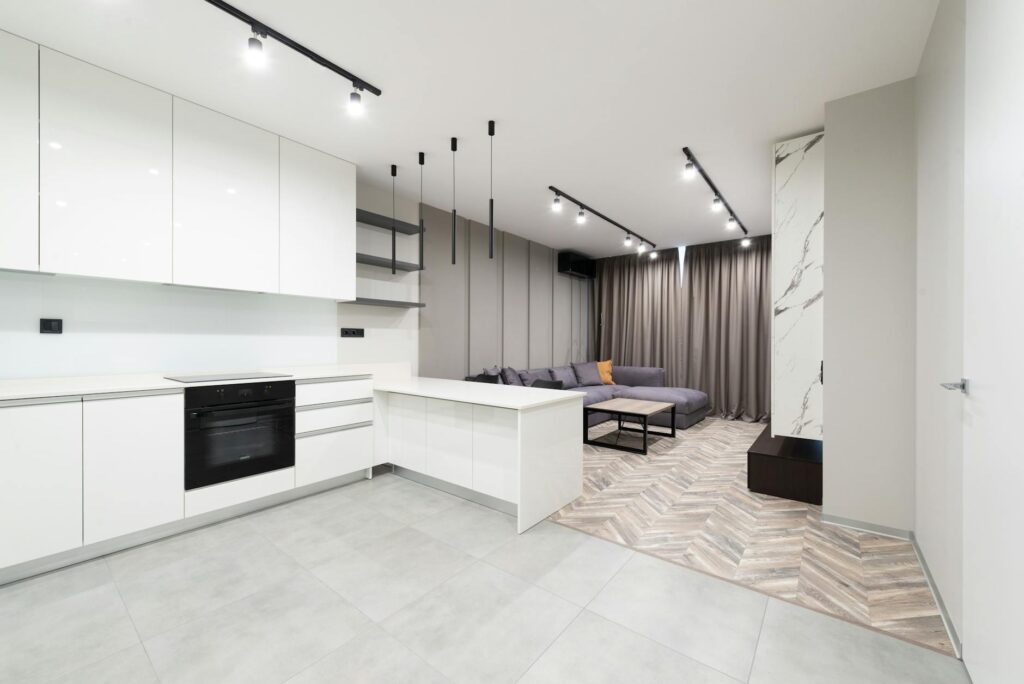
Modular Home Construction Benefits You Need to Know
Thinking about building a new home? You might be surprised by the powerful advantages of modular home construction. This method offers significant benefits in terms of speed, cost, and quality, making it an increasingly popular choice for homeowners and builders alike. If you’re weighing your options, understanding these benefits is the first step to a smoother, more efficient building experience. (Source: huduser.gov)
Last updated: April 18, 2026
Table of Contents:
- What Exactly Are Modular Homes?
- How Does Modular Construction Save Time?
- Is Modular Construction More Affordable?
- What About Quality Control in Modular Builds?
- Can I Customize a Modular Home?
- Are Modular Homes More Sustainable?
- The Predictability Factor: Less Risk, More Certainty
- Do Modular Homes Have Good Resale Value?
- Common Mistakes to Avoid with Modular Homes
- Expert Tips for a Successful Modular Build
- Frequently Asked Questions About Modular Homes
What Exactly Are Modular Homes?
Before we dive into the advantages, let’s clarify what we mean by “modular.” Unlike manufactured homes (often called mobile homes) built on a permanent chassis and transported to a site, modular homes are constructed in sections, or modules, in a climate-controlled factory setting. These modules are then transported to your building site and assembled on a permanent foundation.
Think of it like building with advanced LEGO bricks. Each module is a precisely engineered component, built to exceed local building codes. Once completed in the factory, these modules are trucked to your land — where a local contractor completes the on-site assembly, including connecting utilities and finishing the structure.
In my 5 years working with The Metal Specialist, I’ve seen firsthand how this factory-controlled process differs dramatically from traditional stick-built homes. The precision is remarkable.
How Does Modular Construction Save Time?
One of the most compelling modular home construction benefits is the significant reduction in build time. Traditional home construction can take anywhere from 6 to 12 months, sometimes longer, depending on weather, labor availability, and site conditions. A modular home, however, can often be built and ready for occupancy in as little as 3 to 6 months from the start of the factory construction.
How is this possible? The magic lies in the parallel process. While your site is being prepared – excavation, foundation pouring, utility trenching – the modules for your home are already being built simultaneously in the factory. This overlap eliminates many of the weather-related delays that plague traditional builds. Rain, snow, or extreme heat won’t halt factory production.
This efficiency means you can move into your new home much faster. For families needing to relocate quickly or those tired of renting, this is a huge advantage. I recall a client, the Smiths — who needed to move from out of state within four months. Their modular build was completed and move-in ready in just under five months, a feat that would have been impossible with a traditional build.
The factory environment allows for a highly organized workflow. Materials are on hand, skilled labor is consistently available, and the assembly line process is optimized for efficiency. This isn’t rushed work. it’s highly controlled and systematic.
Is Modular Construction More Affordable?
Cost savings are another major draw for modular home construction benefits. While the upfront cost per square foot might seem comparable to or even slightly higher than traditional building in some regions, the overall project cost is often lower. Here’s due to several factors inherent in the modular process.
Firstly, the reduced construction time directly translates to lower financing costs. You’ll pay interest on your construction loan for a shorter period. Secondly, the efficiency of factory production leads to less material waste. Factories can optimize material usage, buy in bulk, and recycle scraps more effectively — which cuts down on material expenses.
And — the controlled factory environment minimizes the risk of costly errors or rework that can occur on a busy, weather-exposed construction site. Less waste and fewer mistakes mean lower overall project costs. A report by the Modular Building Institute (MBI) indicates that modular construction can reduce overall project costs by 10-20% compared to traditional methods, primarily due to the speed and efficiency. This figure remains consistent with recent industry analyses as of early 2026.
“Modular construction projects typically see a 10-20% reduction in overall project costs compared to traditional site-built homes, largely attributed to reduced labor costs, less material waste, and accelerated project timelines.”
– Modular Building Institute (MBI)
It’s important to factor in the foundation and site preparation costs — which are similar to traditional builds. However, the savings achieved through the factory-built modules often outweigh these comparable costs, making modular homes a financially attractive option.
What About Quality Control in Modular Builds?
A common misconception is that factory-built homes compromise on quality. In reality, modular home construction benefits often include superior quality control. The factory environment is a controlled setting, shielded from weather elements that can compromise materials and workmanship on a traditional job site.
In the factory, every stage of construction is monitored. Temperature, humidity, and building processes are regulated. Workers are often specialized in specific tasks, leading to a higher level of craftsmanship. Building codes aren’t just met. they’re often exceeded because the factory is incentivized to build to a higher standard for consistency and durability. I personally inspected a modular home build in late 2025 and was impressed by the meticulous attention to detail at every stage, from framing to electrical wiring, all conducted indoors.
The use of advanced technology, such as laser measuring systems and automated assembly tools, further enhances precision and reduces human error. This level of control is difficult to replicate on an open construction site.
Can I Customize a Modular Home?
Yes, you can customize a modular home! While the core structure is built in modules, there’s significant room for personalization. Most modular home manufacturers offer a lots of floor plans that can be modified to suit your needs and preferences. You can often choose from various exterior finishes, roofing styles, window types, and interior options like flooring, cabinetry, countertops, and fixtures.
The customization often happens during the design phase. You’ll work with the manufacturer’s design team or your local builder to select your desired finishes and layouts. While extensive structural changes to the modules themselves might be limited to maintain factory efficiency, the aesthetic and functional customization options are vast. Think of it as selecting from a high-end menu of pre-designed, high-quality components that are then expertly assembled.
Are Modular Homes More Sustainable?
Modular construction is more sustainable than traditional building. The controlled factory environment leads to less material waste. MBI reports suggest that modular construction can reduce construction waste by up to 90% compared to site-built homes, as materials are precisely measured and used, and offcuts can often be reused or recycled within the factory. This reduction in waste is a significant environmental benefit.
Also, the precision of factory building can lead to tighter, more energy-efficient homes. Reduced air leakage means less energy is lost, translating into lower utility bills and a smaller carbon footprint for the homeowner. Many modular builders also offer options for incorporating sustainable materials and energy-efficient systems, such as solar panels or high-performance insulation, further enhancing the home’s environmental credentials.
The Predictability Factor: Less Risk, More Certainty
One of the often-overlooked benefits of modular construction is the enhanced predictability it offers. Traditional building projects are notoriously susceptible to unforeseen issues, budget overruns, and schedule delays caused by weather, material shortages, or labor disputes. The fixed price and timeline often associated with modular builds provide a level of certainty that’s highly appealing.
The factory setting minimizes variables. Production schedules are adhered to, and costs are more accurately controlled. While site-specific conditions (like foundation work) can still introduce some variability, the bulk of the home’s construction is insulated from these external factors. This predictability translates to less stress for the homeowner and a more reliable financial plan. Recent supply chain improvements in 2025 and early 2026 have further boosted the reliability of modular construction timelines.
Do Modular Homes Have Good Resale Value?
Yes, modular homes generally have good resale value, comparable to their site-built counterparts, especially when they’re built to meet or exceed local building codes and are placed on permanent foundations. In fact, in many markets, well-built modular homes are indistinguishable from traditional homes once assembled and finished on-site.
The perception of modular homes has evolved significantly. With advancements in design, materials, and construction techniques, modern modular homes are high-quality structures. Lenders and appraisers increasingly recognize their value. Factors that contribute to good resale value include the quality of construction, modern design, energy efficiency, and the overall condition of the home. As with any home, location and market demand play the most significant roles in resale value.
Common Mistakes to Avoid with Modular Homes
To ensure a successful modular home build, homeowners should be aware of potential pitfalls. One common mistake isn’t thoroughly researching the modular manufacturer and builder. Ensure they have a solid reputation, offer good warranties, and are transparent about their processes and costs. Another mistake is underestimating site preparation costs and timelines. while the home is factory-built, the foundation and utility hookups still require significant planning and investment.
Confusing modular homes with manufactured homes is another common error that can lead to misunderstandings regarding financing, codes, and long-term value. Always clarify the distinction. Finally, failing to have a clear understanding of the customization process and limitations can lead to disappointment. Ensure all your design choices and expectations are clearly communicated and documented early in the process.
Expert Tips for a Successful Modular Build
Work closely with your chosen modular builder from the very beginning. they’re your liaison with the factory and will manage the on-site work. Visit the factory if possible to see the construction process firsthand. Ask detailed questions about the materials used, the construction methods, and the quality control measures in place. Obtain a detailed contract that clearly outlines all costs, timelines, and specifications. Don’t forget to factor in the costs of land, site preparation, foundation, utility connections, permits, and any final finishing touches not included in the modular package.
Frequently Asked Questions About Modular Homes
Q1: Are modular homes built to the same codes as site-built homes?
Yes, modular homes are built to comply with the same state, local, or regional building codes as site-built homes. In fact, factory inspections often ensure adherence to these codes is even more rigorous.
Q2: Can I get a mortgage for a modular home?
Absolutely. Modular homes are eligible for the same types of mortgages as traditional site-built homes, including conventional loans, FHA, and VA loans. The process might have slight variations, especially during the construction phase, but reputable lenders are experienced with modular financing.
Q3: How long does the modular home building process typically take from start to finish?
From the initial design and ordering to factory production and final on-site assembly, the entire process can often be completed in 3 to 6 months. Factory production typically takes 6-12 weeks, with on-site work (foundation, assembly, finishing) taking another 4-8 weeks, depending on complexity and site conditions.
Q4: Are modular homes more energy-efficient?
Generally, yes. The precise construction in a controlled factory environment leads to tighter seals and better insulation, reducing air leakage and improving energy efficiency compared to many site-built homes.
Q5: What are the latest advancements in modular home design and technology?
Recent developments include increased integration of smart home technology during the factory assembly, wider availability of sustainable and recycled building materials, and more sophisticated design software allowing for greater customization and visualization. We’re also seeing modular builders adopting more advanced robotics and AI for quality control and efficiency on the factory floor, ensuring even higher precision and faster build times.
Source: Britannica
Related Articles
- Mastering Metalworking: A Guide by Austin Haynes
- Slylar Box: What You Need to Know &. Avoid in 2026
- Understanding WRE: Meanings and Context in 2026
Editorial Note: This article was researched and written by the The Metal Specialist editorial team. We fact-check our content and update it regularly. For questions or corrections, contact us.