
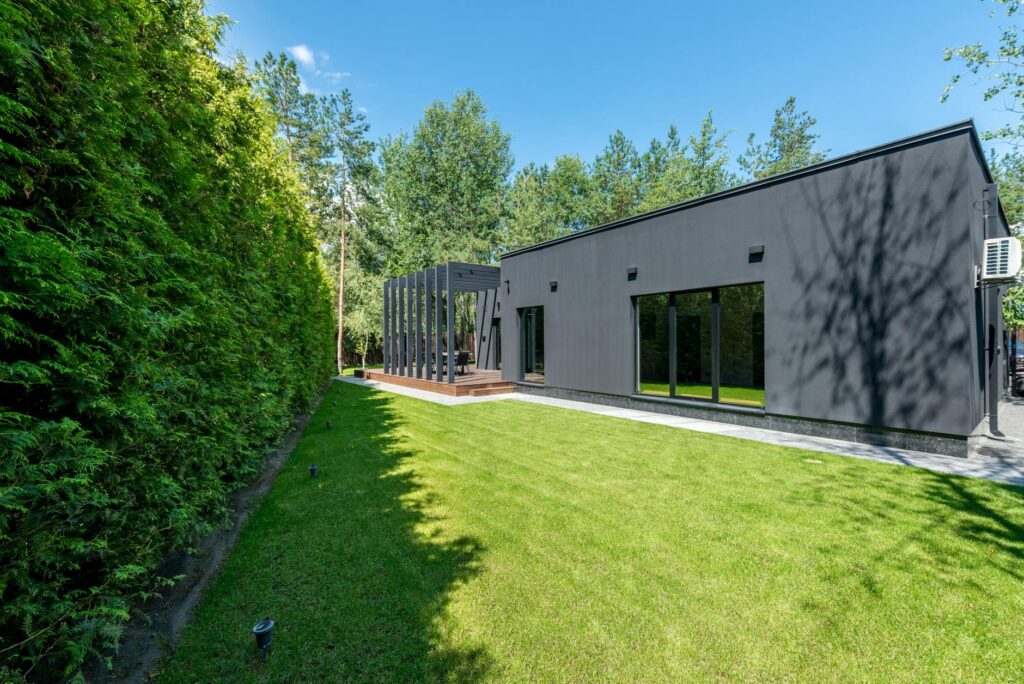
Outdoor Living Spaces: Your Ultimate Guide for 2026
Imagine stepping out your back door into a place that feels like a true extension of your home – a comfortable, functional, and beautiful area designed for relaxation and entertaining. That’s the magic of well-designed outdoor living spaces. Whether you dream of al fresco dining under the stars, cozy evenings by a fire pit, or a vibrant area for hosting friends, creating these zones can enhance your lifestyle and your home’s value. I’ve spent years helping homeowners bring these visions to life, and I’ve seen firsthand how a thoughtfully planned outdoor space can transform a property. (Source: cpsc.gov)
Table of Contents
- What Are Outdoor Living Spaces?
- Planning Your Outdoor Oasis
- Designing with Functionality in Mind
- Essential Elements for Outdoor Rooms
- Materials and Maintenance Considerations
- Budgeting for Your Project
- Frequently Asked Questions
- Ready to Create Your Dream Outdoor Space?
What Are Outdoor Living Spaces?
Outdoor living spaces are basically designated areas in your yard or garden designed to function like rooms, offering comfort, utility, and aesthetic appeal. Think beyond a simple patio. these spaces can include kitchens, dining areas, lounges, fire pit zones, and even entertainment centers. In my experience, the most successful outdoor living spaces blur the lines between indoor and outdoor living, creating a comfortable transition.
The primary goal is to maximize the usability of your exterior property, providing a comfortable and attractive environment for various activities. You can range from quiet personal retreats to lively social hubs. The key is intentional design that considers how you’ll use the space. As of 2026, homeowners are increasingly seeking multi-functional areas that can adapt to different needs throughout the day and year, incorporating smart technology and sustainable materials.
Planning Your Outdoor Oasis
Before you even think about furniture or plants, take time to plan. Here’s the most critical phase for creating functional outdoor living spaces that stand the test of time. Consider the following:
Define Your Purpose
How do you envision using your space? Are you a gourmet cook who wants an outdoor kitchen? Do you love hosting large gatherings, requiring ample seating and perhaps a bar area? Or is it a quiet sanctuary for reading and enjoying nature? Your primary use will dictate the layout and features. Consider future needs as well. a space designed for young children might need to evolve as they grow.
Assess Your Site
Look at your yard’s sun exposure, wind patterns, existing trees or structures, and drainage. Does one area get too much sun in the afternoon? Is another constantly waterlogged? Understanding these conditions will help you choose the right location and materials. For instance, I once designed a patio that was unusable from 2 PM to 5 PM due to relentless sun until we incorporated a strategically placed pergola with a retractable canopy.
Consider Flow and Connection
How will you access your outdoor living space from the house? Is there a natural pathway? The connection between your indoor and outdoor areas should feel intuitive. Think about the flow between different zones within the outdoor space itself – for example, easy movement from a dining area to a lounge space.
Designing with Functionality in Mind
Functionality is what separates a simple backyard from a true outdoor living space. When I guide clients, I always stress building around the intended activities.
Zoning Your Space
Divide your outdoor area into distinct zones based on their intended use. This could be a dining zone, a lounging zone, a cooking zone, and perhaps a play zone or a quiet contemplation nook. Clear zoning creates order and makes the space feel more intentional and usable.
Creating Outdoor Rooms
Think of your outdoor areas as rooms with walls, floor, and ceiling (even if implied). Use landscaping, pergolas, screens, or changes in elevation to define the boundaries of these rooms. This sense of enclosure makes the space feel more intimate and protected.
Lighting is Key
Don’t underestimate the power of good lighting. It extends the usability of your space into the evening and enhances safety and ambiance. Layer your lighting with task lighting (e.g., over a grill), accent lighting (e.g., uplighting trees), and ambient lighting (e.g., string lights or dimmable fixtures). In a project in 2022, adding subtle landscape lighting completely transformed the feel of the backyard after dark, making it a favorite spot for evening conversations.
Important: A common mistake people make is to have insufficient lighting. They end up with a dark, unusable space once the sun goes down. Plan for more lighting than you think you’ll need, and ensure it’s on dimmers for maximum flexibility.
Recent advancements in smart lighting systems allow for automated control, color temperature adjustments, and integration with voice assistants, further enhancing the usability and atmosphere of outdoor spaces well into the night.
Essential Elements for Outdoor Rooms
Once the layout is planned, consider the elements that will make your outdoor living spaces comfortable and engaging.
Comfortable Seating
Here’s non-negotiable. Invest in durable, weather-resistant furniture that’s genuinely comfortable. Consider modular pieces for flexibility, or built-in seating like benches for a permanent solution. Look for materials like powder-coated aluminum, teak, or high-quality synthetic wicker that hold up well against the elements.
Outdoor Kitchens and Grilling Stations
For the home chef, an outdoor kitchen can be a dream come true. At a minimum, this often includes a quality grill. More elaborate setups can feature sinks, refrigerators, countertops, and storage. Even a simple grill station with a prep counter can make outdoor cooking a joy. Consider built-in options for a more permanent and integrated look.
Fire Features
A fire pit or outdoor fireplace is a fantastic focal point, providing warmth and ambiance. Options range from simple portable fire pits to elaborate built-in gas fireplaces. They encourage gathering and extend the season for outdoor use. Ensure proper ventilation and safety clearances are considered.
Shade Structures
Protect yourself from the sun with pergolas, awnings, umbrellas, or covered patios. Shade is essential for daytime comfort and can increase the hours you can spend enjoying your outdoor space. Retractable options offer flexibility to adjust to changing sun conditions.
New Development: The integration of outdoor heating and cooling solutions, such as radiant heaters and misting fans, is becoming more common. These technologies allow for comfortable use of outdoor spaces across a wider range of temperatures, effectively extending the outdoor living season well into cooler evenings or warmer afternoons.
Materials and Maintenance Considerations
The longevity and upkeep of your outdoor space depend heavily on the materials you choose. Durability and ease of maintenance are key. For decking and patios, consider options like composite materials, natural stone, or durable hardwoods. For furniture, look for weather-resistant fabrics and finishes. Regular cleaning and sealing (where applicable) will keep your space looking its best. Always check manufacturer recommendations for specific care instructions.
Budgeting for Your Project
Outdoor living spaces can range from simple DIY enhancements to extensive professional renovations. Determine your budget early on. Consider the cost of materials, labor (if applicable), furniture, and any necessary permits. Prioritize elements that offer the most impact for your intended use. For example, a quality grill might be a higher priority than elaborate landscaping if cooking is your main focus.
Frequently Asked Questions
How much does an outdoor living space typically cost?
Costs vary widely. A simple patio with a few pieces of furniture might cost a few thousand dollars, while a fully equipped outdoor kitchen with extensive hardscaping and custom features could easily run into tens of thousands. It’s best to get quotes based on your specific design and material choices.
What are the most durable materials for outdoor furniture?
Materials like teak, powder-coated aluminum, stainless steel, and high-quality synthetic wicker are known for their durability and resistance to weather. Cushions made with solution-dyed acrylic fabrics (like Sunbrella) are also highly resistant to fading and moisture.
Is a permit required for outdoor living space projects?
This depends on your local building codes and the scope of your project. Structures like pergolas, decks, or outdoor kitchens often require permits. It’s always advisable to check with your local municipality before starting any construction.
What are the latest trends in outdoor living?
Current trends include multi-functional spaces, integrated technology (smart lighting, outdoor audio), sustainable materials, and a focus on creating comfortable, intimate “rooms” outdoors. Biophilic design, incorporating more natural elements and plants, is also gaining traction.
Ready to Create Your Dream Outdoor Space?
Creating an outdoor living space is an investment in your home and your lifestyle. By carefully planning, prioritizing functionality, and selecting the right elements, you can transform your exterior into a beloved extension of your home. Start envisioning what you want your space to be, and take the first steps toward making it a reality.