
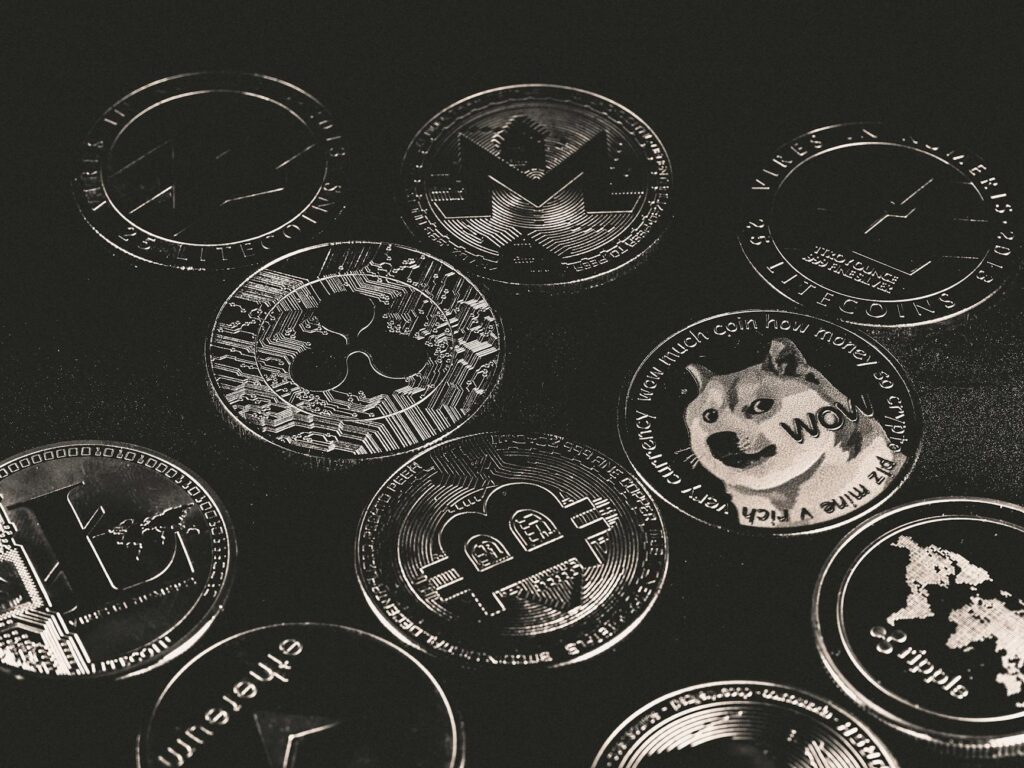
Ever felt like getting into crypto but got scared off by the wild price swings? I hear you. For years, the extreme volatility of Bitcoin and other altcoins made it tough to see them as anything more than speculative bets. But what if there was a way to use the power of blockchain and digital assets without that constant fear of losing half your investment overnight? Enter stablecoins.
This stablecoins guide is designed to demystify these unique digital currencies. They aim to bridge the gap between traditional finance and the decentralized world, offering a more predictable and usable form of digital money. Whether you’re a seasoned crypto investor or just curious, understanding stablecoins is key to evolving digital asset space.
Latest Update (April 2026)
The digital currency space continues to evolve rapidly, with stablecoins playing an increasingly central role. Recent reports indicate a deepening divide between major global economies, such as the US and China, regarding digital currency approaches, especially concerning stablecoins, as highlighted by discussions around regulatory clarity, according to the South China Morning Post. This geopolitical tension highlights the importance of understanding stablecoins not just as technological innovations but also within a broader economic and regulatory context. And — financial institutions like credit unions are exploring pathways into stablecoin integration, though such moves come with inherent costs, risks, and require careful strategic planning, as reported by CU Today. The debate around company-issued stablecoins being the safest path for global finance continues, with organizations like Paxos advocating for their security and reliability.
What Exactly Are Stablecoins?
At their core, stablecoins are a type of cryptocurrency designed to minimize price volatility. Unlike Bitcoin or Ethereum, whose prices can fluctuate dramatically, stablecoins aim to maintain a stable value. This stability is typically achieved by being pegged to a less volatile asset, most commonly a fiat currency like the US dollar. they’re designed to offer the benefits of blockchain technology—security, transparency, and fast transactions—while providing a more stable unit of account and medium of exchange.
How Do Stablecoins Work? The Peg Explained
The core mechanism of a stablecoin is its peg – the system that maintains its stable value relative to a target asset. The most common target is the US dollar, meaning one stablecoin token ideally trades for $1. This peg is upheld through various methods, primarily collateralization or algorithmic adjustments, depending on the stablecoin’s design. Understanding these mechanisms is vital for assessing the reliability of a stablecoin.
For collateralized stablecoins, reserves of the underlying asset or other stable assets are held. If a stablecoin’s price dips below its peg, the issuer can buy back tokens to reduce supply and increase the price. Conversely, if the price rises above the peg, more tokens may be issued to increase supply and bring the price back down.
“Stablecoins are a type of digital currency that aims to maintain a stable value, typically by being pegged to a fiat currency or other assets. Their widespread adoption could have significant implications for financial stability and monetary policy.” – Federal Reserve Notes (2022)
Different Types of Stablecoins
Stablecoins employ diverse strategies to maintain their peg, each with unique advantages and drawbacks. As of early 2026, the primary categories include:
- Fiat-Collateralized Stablecoins: These are the most prevalent. Each token issued is backed by an equivalent amount of fiat currency (e.g., USD, EUR) held in reserve by a central issuer. Prominent examples include Tether (USDT) and USD Coin (USDC).
- Crypto-Collateralized Stablecoins: Backed by other cryptocurrencies, these typically require over-collateralization to absorb the inherent volatility of the backing assets. Dai (DAI) from MakerDAO is a well-known example.
- Commodity-Collateralized Stablecoins: Pegged to the value of physical commodities like gold or oil. Pax Gold (PAXG) is an instance where each token represents one fine troy ounce of gold held in secure storage.
- Algorithmic Stablecoins: These are the most complex and historically the riskiest. They rely on smart contracts and algorithms to manage supply and demand automatically to maintain the peg, rather than direct collateral. The collapse of TerraUSD (UST) in 2022 works as a cautionary tale regarding the potential instability of this model.
Important: Algorithmic stablecoins present the highest risk of de-pegging due to their reliance on complex economic incentives and smart contract logic. Extreme caution and thorough research are advised before investing in or using them.
What Are the Risks Associated with Stablecoins?
While stablecoins offer a degree of stability, they aren’t without risks. Users should be aware of the potential pitfalls:
- De-Pegging Risk: The most significant concern is a stablecoin losing its peg. You can occur due to market panic, insufficient reserves for collateralized types, or algorithmic failures for algorithmic types. The spectacular collapse of TerraUSD (UST) in May 2022 — where its value dropped from $1 to near $0 within days, exemplifies this risk.
- Counterparty Risk: For fiat- and commodity-collateralized stablecoins, trust is placed in a central entity to manage reserves. If this entity fails, engages in fraud, or faces regulatory action, the stablecoin’s value could be jeopardized. Transparency and regular audits are therefore critical.
- Regulatory Risk: Governments worldwide are increasing their scrutiny of stablecoins. New regulations could impact their operations, reserve requirements, or even their legality in various jurisdictions. As Davis Wright Tremaine reported in October 2025, reports like the Wolfsberg Report are casting light on the path forward for crypto risk management — which will inevitably influence stablecoin regulation.
Practical Ways You Can Use Stablecoins Today
Stablecoins have evolved beyond being just a safe haven in volatile crypto markets. They offer practical utility for a variety of financial activities:
- Everyday Transactions: For merchants and consumers comfortable with digital assets, stablecoins can facilitate everyday purchases, offering faster and potentially cheaper transactions compared to traditional methods, especially for cross-border payments.
- Remittances: Sending money internationally can be slow and expensive. Stablecoins provide a more efficient alternative for individuals looking to send funds to family and friends abroad.
- DeFi Applications: Stablecoins are foundational in Decentralized Finance (DeFi). they’re widely used for lending, borrowing, and yield farming within DeFi protocols, allowing users to earn interest on their stablecoin holdings.
- Hedging Against Volatility: As mentioned, converting volatile assets into stablecoins during market downturns is a common strategy to preserve capital.
A Counterintuitive Stablecoin Insight
It might seem counterintuitive, but the most stable stablecoins are often those that acknowledge their inherent risks and operate with maximum transparency. Instead of promising absolute stability, those that are fully backed by transparently audited reserves, or those with solid, well-understood collateralization models like DAI, tend to inspire more confidence. The pursuit of purely algorithmic stability, while innovative, has historically proven to be a fragile effort.
The Most Common Stablecoin Mistake to Avoid
The most common mistake is treating all stablecoins as equally safe. Investors often fail to differentiate between the various backing mechanisms and the associated risks. Investing in an algorithmic stablecoin without fully understanding its mechanics, or trusting a fiat-collateralized stablecoin without verifying its reserves and issuer’s reputation, can lead to significant losses. Always perform due diligence on the specific stablecoin and its issuer.
Frequently Asked Questions About Stablecoins
Are stablecoins truly stable?
Stablecoins aim for stability by pegging their value to an underlying asset, typically a fiat currency like the US dollar. While they’re designed to minimize volatility, they aren’t immune to losing their peg, especially algorithmic stablecoins or those with insufficient reserves. Market conditions and regulatory changes can also impact their stability.
Are stablecoins regulated?
The regulatory landscape for stablecoins is evolving rapidly. While some jurisdictions have begun implementing specific regulations, others are still developing their frameworks. As Finimize.com recently noted in comparing US and Chinese digital money strategies, regulatory approaches can differ significantly. Many stablecoins are subject to existing financial regulations, and new, tailored rules are anticipated globally in 2026 and beyond.
Which stablecoin is the safest?
The concept of ‘safest’ depends on an individual’s risk tolerance and priorities. Fiat-collateralized stablecoins backed by auditable reserves, such as USDC, are often considered relatively safe due to their direct link to fiat currency. Crypto-collateralized stablecoins like DAI, with their over-collateralization and decentralized nature, also offer a different form of security. Algorithmic stablecoins are generally considered the riskiest.
Can I earn interest on stablecoins?
Yes, it’s possible to earn interest on stablecoins. Many centralized exchanges and decentralized finance (DeFi) platforms offer yield-generating opportunities for stablecoin deposits through lending or liquidity provision. However, these activities come with their own set of risks, including smart contract vulnerabilities and platform insolvency.
what’s the difference between a stablecoin and a CBDC?
Central Bank Digital Currencies (CBDCs) are digital forms of a country’s fiat currency, issued and backed by the central bank. Stablecoins, But — are typically issued by private entities and pegged to a fiat currency or other assets. While both are digital forms of money, CBDCs represent a direct liability of the central bank, whereas stablecoins represent a liability of the private issuer.
Conclusion
Stablecoins offer a compelling solution for those seeking the benefits of blockchain technology without the extreme price volatility characteristic of many cryptocurrencies. By different types, their mechanisms, and the associated risks, individuals can make informed decisions about incorporating stablecoins into their financial strategies. As regulatory clarity emerges and the technology matures in 2026, stablecoins are poised to become an even more integral part of the global digital economy.