
Prefabrication in Construction: Your 2026 Guide
It’s pretty wild to think about, but the way we build is changing dramatically. For years, construction meant bringing all the materials to a site and building from the ground up, exposed to the elements and all sorts of unpredictable delays. But something exciting is happening. Have you noticed more building components arriving already assembled, or even entire sections of buildings being delivered? That’s the power of prefabrication in construction. It’s not just a trend; it’s a smarter, more efficient way to bring projects to life, and it’s rapidly becoming the norm.
In my 15 years working with The Metal Specialist, I’ve seen firsthand how off-site manufacturing transforms projects. We’re talking about building components, modules, or even entire structures in a controlled factory setting before they are transported to the final site for assembly. This method is reshaping everything from residential homes to massive commercial developments, promising faster completion times, better quality control, and often, significant cost savings.
This guide is designed to give you a complete understanding of prefabrication in construction. We’ll break down what it is, why it’s gaining so much traction, the different forms it takes, and how you can best leverage its advantages. Whether you’re a developer, contractor, architect, or simply someone curious about the future of building, you’ll find the insights you need right here.
What is Prefabrication in Construction?
At its core, prefabrication in construction refers to the practice of manufacturing building components or assemblies in a factory or off-site location. These finished or semi-finished components are then transported to the construction site for installation. Think of it like building with advanced, high-quality LEGO bricks rather than raw materials on-site.
This process contrasts sharply with traditional stick-built construction, where nearly all work occurs on the final building site. Prefabrication allows for greater precision, efficiency, and quality control because the manufacturing happens in a controlled factory environment, shielded from weather disruptions and with optimized workflows.
The components produced can range from simple elements like wall panels, roof trusses, or bathroom pods to complex, fully finished modules that contain plumbing, electrical, and interior finishes. The level of prefabrication can vary significantly depending on the project’s scope and requirements.
Why Is Prefabrication in Construction So Popular Now?
The surge in popularity of prefabrication isn’t accidental. Several converging factors make it an increasingly attractive solution for the construction industry in 2026 and beyond.
The Skilled Labor Shortage
One of the biggest drivers is the persistent shortage of skilled labor in the traditional construction sector. Prefabrication centralizes much of the labor into factory settings, where workflows can be optimized, and specialized skills can be utilized more effectively. This reduces the reliance on a fluctuating on-site workforce.
In my experience, finding reliable, skilled tradespeople has become exponentially harder over the last five years. Prefabrication offers a way to mitigate this risk significantly. We can plan labor needs months in advance for the factory, ensuring consistent staffing and quality.
Demand for Faster Project Delivery
In today’s fast-paced market, project timelines are often incredibly tight. Prefabrication significantly speeds up the construction process. While components are being manufactured off-site, site preparation work, such as foundation laying, can occur simultaneously. This parallel processing can reduce overall project duration by 30-50%.
Cost Predictability and Savings
While initial setup costs for prefabrication can be higher, the overall project cost is often lower and, more importantly, more predictable. Reduced on-site labor, less material waste, minimized weather delays, and fewer rework instances all contribute to substantial savings. The factory environment allows for precise material ordering, cutting down on waste significantly – often by up to 90% compared to traditional methods.
“Prefabricated construction can reduce overall construction costs by 5% to 20% through reduced labor, less material waste, and shorter project timelines, according to a 2025 study by the National Institute of Building Sciences.”
Enhanced Quality Control
Factory conditions allow for stringent quality control measures that are difficult to replicate on a busy construction site. Temperature, humidity, and other environmental factors are controlled, and specialized equipment and trained personnel ensure components are built to exact specifications. This leads to a higher quality, more durable final product.
Sustainability and Reduced Waste
The controlled factory environment minimizes material waste. Manufacturers can optimize material usage, recycle scraps efficiently, and often use sustainable materials. Furthermore, reduced transportation needs (fewer trips to site for disparate materials) and shorter construction times contribute to a smaller carbon footprint.
Types of Prefabricated Construction Methods
Prefabrication isn’t a one-size-fits-all approach. There are several distinct methods, each suited to different types of projects and components.
1. Modular Construction
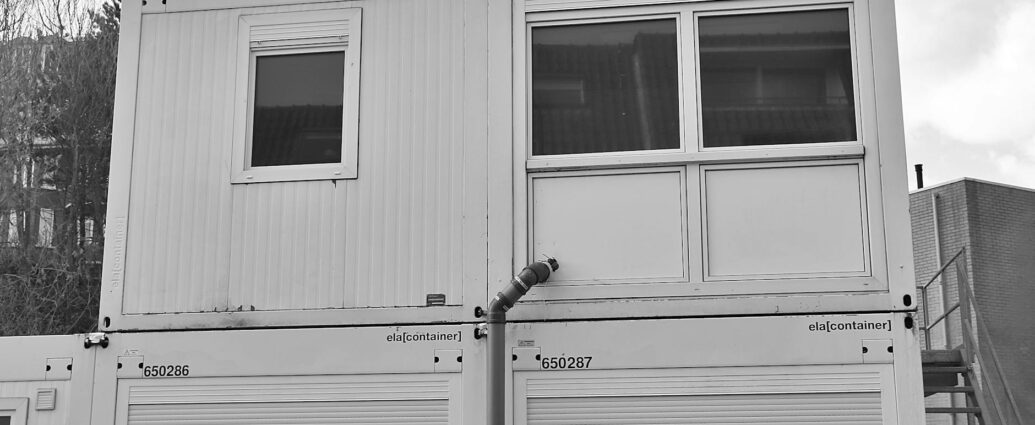
This is perhaps the most recognized form of prefabrication. Modular construction involves building complete, three-dimensional units, known as modules, in a factory. These modules are then transported to the site and craned into place to form the final structure. Modules can be stacked and connected to create multi-story buildings.
Think of entire rooms or sections of a building – like hotel rooms, apartments, or even hospital wings – being built and finished in a factory, including walls, floors, ceilings, plumbing, and electrical. They arrive on site ready to be connected.
2. Panelized Construction
In panelized construction, components are built as flat panels in the factory. These typically include walls, floors, and roof sections. The panels are then transported to the site and assembled like a puzzle. This method is often used for the structural shell of a building.
Panels can be highly insulated and can incorporate windows and doors before leaving the factory, speeding up the erection process on site. This is a very popular method for residential construction and light commercial projects.
3. Component Construction
This involves manufacturing individual building components off-site. These are the basic building blocks that are then assembled on-site. Examples include roof trusses, pre-cast concrete elements, stairs, and custom structural steel pieces. While less integrated than modular or panelized, it still offers efficiency gains.
Component construction is widely used across various sectors. For instance, pre-cast concrete stairs are common in many apartment buildings, and custom-fabricated steel beams are standard for larger structures. The key is that these elements are made with precision in a controlled environment.
4. Logistical Considerations
It’s important to remember that the transportation and lifting of these prefabricated components are critical. Site access, crane availability, and local regulations regarding oversized loads all need careful planning. In my experience managing logistics for prefab deliveries, a 3D site survey and meticulous coordination with transport companies are non-negotiable.
Benefits of Prefabrication in Construction
The advantages of adopting prefabrication in construction are numerous and impactful. Let’s break down the key benefits:
1. Speed of Construction
As mentioned, parallel processing is a game-changer. Site work happens concurrently with factory production. This overlap can shave weeks or even months off the total project timeline, allowing for earlier occupancy and faster return on investment.
2. Improved Quality and Consistency
Factory environments offer superior quality control. Consistent environmental conditions, specialized machinery, standardized processes, and dedicated quality assurance teams lead to fewer defects and a more precise, durable end product. This is particularly beneficial for projects requiring high tolerances or specific performance standards.
3. Cost Efficiency and Predictability
Reduced waste, less rework, optimized labor, and minimized weather delays translate into significant cost savings. More importantly, the fixed costs associated with factory production make budgeting far more predictable than traditional on-site methods, which are prone to unforeseen expenses.
4. Enhanced Safety
Performing work in a controlled factory setting significantly reduces the risks associated with on-site construction. Fewer workers are exposed to hazardous conditions like working at height, extreme weather, or complex site logistics. This leads to fewer accidents and a safer working environment overall.
5. Reduced Site Disruption
Less on-site activity means less noise, dust, traffic, and disruption to surrounding areas. This is a major advantage for projects in urban environments or near sensitive locations like schools or hospitals. Deliveries are also more predictable and consolidated.
6. Sustainability Advantages
Minimizing material waste is a huge win for sustainability. Factories can recycle and reuse offcuts more effectively. Furthermore, precise manufacturing often leads to better-sealed building envelopes, improving energy efficiency once the building is occupied.
A 2023 report by the Carbon Leadership Forum highlighted that off-site construction methods can reduce a building’s embodied carbon footprint by up to 40% due to material efficiency and optimized logistics.
Challenges and Considerations for Prefabrication
While the benefits are compelling, prefabrication isn’t without its challenges. Being aware of these potential hurdles is key to successful implementation.
1. Transportation Logistics
Moving large, pre-built modules or panels from the factory to the site can be complex and costly. Road restrictions, permits, specialized transport, and crane services are required. The distance between the factory and the site is a major factor.
2. Design Flexibility Limitations
While modern prefab allows for significant customization, there can be inherent limitations compared to purely on-site construction. Designs must often accommodate standard module sizes or panel dimensions, and major structural modifications mid-process are more difficult.
When I first tried to implement a highly complex, non-standard design using modular construction back in 2019, we hit a wall. The factory’s tooling and standard module dimensions just couldn’t accommodate the unique curves we wanted without incurring massive custom tooling costs. We had to compromise on the design.
3. Need for Early Planning and Collaboration
Successful prefabrication requires intensive planning and collaboration between the designer, manufacturer, and client from the very beginning of the project. Changes made late in the design or production process can be very expensive or impossible.
4. Site Readiness
The construction site must be perfectly prepared to receive prefabricated components. Foundations must be precisely laid, and access for large trucks and cranes must be secured. Any delays or inaccuracies on-site can halt the entire assembly process.
5. Potential for Higher Upfront Costs
Although overall project costs are often lower, the initial investment for prefabricated components can sometimes be higher than for traditional materials. This is due to the specialized manufacturing processes and the need for upfront payment for modules or panels.
Implementing Prefabrication in Your Next Project: Practical Tips
Ready to explore prefabrication? Here’s how you can make it work for you:
1. Engage Early with Prefab Specialists
Bring manufacturers and prefab experts into the design process as early as possible. Their input on design for manufacturing and assembly (DfMA) can optimize your design for efficiency and cost-effectiveness.
2. Thoroughly Vet Potential Manufacturers
Don’t just choose the cheapest option. Assess manufacturers based on their experience, quality control processes, certifications, financial stability, and track record. Visit their factories if possible.
3. Define Your Project Scope Clearly
Determine which components or systems are best suited for prefabrication. Is it the entire structure, specific modules like bathrooms, or just wall panels? Clarity here guides the entire process.
4. Leverage Building Information Modeling (BIM)
BIM is invaluable for prefabrication. It allows for detailed 3D modeling, clash detection, and precise coordination between design, manufacturing, and site assembly, minimizing errors and improving communication.
5. Plan Logistics Meticulously
Develop a detailed transportation and installation plan well in advance. Consider site access, delivery schedules, crane requirements, and potential weather impacts. Coordinate closely with the manufacturer and site team.
6. Understand Contractual Agreements
Ensure your contracts clearly define responsibilities, quality standards, delivery schedules, payment terms, and warranty information for both the off-site manufacturing and on-site assembly phases.
7. Consider the Counterintuitive Insight: Prefab Can Be More Sustainable
While it might seem counterintuitive that factory production could be greener than on-site work, it often is. The controlled environment means less waste, better material utilization, and the potential for optimized energy use during manufacturing. Plus, shorter construction times mean less overall site impact.
8. Avoid the Common Mistake: Late Design Changes
The most common mistake I see is attempting to make significant design changes after the prefab components have started production. This is incredibly costly and can derail schedules. Lock down your design as early as possible.
The Future of Prefabrication in Construction
The trajectory for prefabrication in construction is upward. Advancements in technology, such as robotics, AI, and improved BIM integration, will further enhance efficiency and precision. We’re likely to see even greater adoption across all sectors of the building industry.
The push for sustainable building practices and the ongoing need for faster, more cost-effective construction methods will continue to fuel innovation in off-site manufacturing. Companies like The Metal Specialist are investing heavily in technologies that enable more complex and customized prefabricated solutions.
As the industry embraces digital construction workflows and modular approaches, prefabrication will move from being an alternative to becoming the standard for many types of projects. It represents a significant step towards a more efficient, predictable, and sustainable built environment.
Frequently Asked Questions About Prefabrication in Construction
Is prefabricated construction more expensive than traditional building?
Not necessarily. While upfront costs can sometimes be higher, prefabrication often leads to significant overall project savings due to reduced labor, less waste, fewer delays, and better cost predictability.
Can prefabricated buildings be customized?
Yes, modern prefabrication offers substantial customization options. While designs must adhere to manufacturing constraints, manufacturers can adapt modules and panels to meet specific aesthetic and functional requirements.
Are prefabricated buildings as durable and safe as site-built ones?
Prefabricated buildings are built to stringent quality standards in controlled environments, often exceeding the consistency of site-built structures. They are designed and engineered to meet or exceed all building codes for safety and durability.
What types of projects are best suited for prefabrication?
Prefabrication is versatile and suitable for many projects, including residential homes, hotels, schools, hospitals, and commercial buildings. Projects requiring speed, consistency, and cost control benefit most.
What are the main challenges of using prefabricated construction?
Key challenges include transportation logistics for large components, the need for meticulous early planning and collaboration, and ensuring the construction site is perfectly prepared for assembly.
The shift towards prefabrication in construction is undeniable. By understanding its methods, benefits, and challenges, you can better position yourself to harness its power. Whether you’re planning a new build or looking to improve your company’s processes, embracing off-site manufacturing is a strategic move toward building smarter, faster, and more efficiently.